How to Increase Bone Density Naturally: Diet, Exercise, and Lifestyle Tips
How to increase bone density naturally? Bone density can be supported through adequate calcium and vitamin D, a balanced diet, regular weight-bearing and strength exercises, and healthy lifestyle habits. These steps help support strong bones, but they may not reverse bone loss in everyone.
Bone health can change with age, nutrition, physical activity, hormonal changes and certain medical conditions. For patients with low bone density or osteoporosis, lifestyle changes should complement—not replace—medical advice.
This guide explains how to improve bone density naturally, which Indian foods and exercises can support bone health, lifestyle habits to consider, and when a bone health assessment may be appropriate.
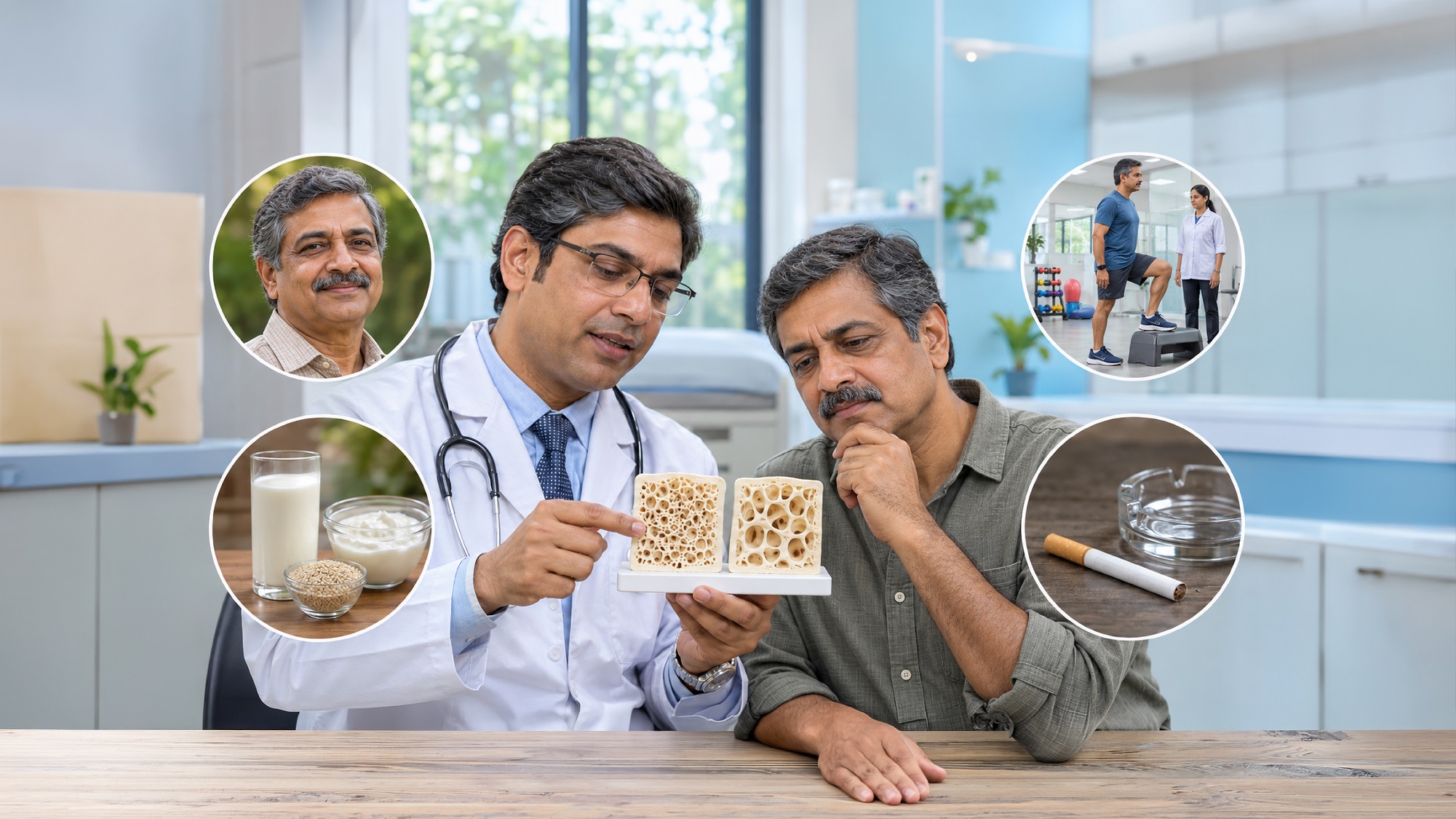
Understanding how nutrition, lifestyle factors, and regular screenings impact bone health and osteoporosis prevention.
What Factors Affect Bone Density?
Your bones are constantly rebuilding themselves but as age, physical activity, nutrition and hormonal changes shift, that balance can tip toward bone loss rather than bone strength. Calcium, vitamin D and adequate protein help the body increase bone density and slow this decline, as highlighted by the Indian Dietetic Association. Smoking, excessive alcohol consumption and prolonged inactivity negatively affect bone health, accelerating weakening over time. Importantly, low bone density and early osteoporosis often develop without obvious symptoms, making regular screening essential. Guidance from the Indian Council of Medical Research (ICMR), the Ministry of Health and Family Welfare and the National Health Portal recommends periodic testing, especially for at-risk individuals.
Why Does Bone Density Decrease?
- Age-related changes: Natural bone remodelling slows with age, leading to gradual bone loss.
- Inadequate nutrition: Insufficient calcium, vitamin D or protein intake weakens the bone matrix over time.
- Reduced physical activity: A lack of weight-bearing exercise reduces the mechanical stimulation bones need to stay strong.
- Certain medicines and medical conditions: Long-term use of medicines like corticosteroids, along with conditions affecting hormone levels or nutrient absorption, can accelerate bone density loss.
Understanding these contributing factors is an important first step in taking proactive measures to protect long-term bone health.
Real data point/stat:
According to an Indian Journal of Medical Research review published under ICMR, hypovitaminosis D has been reported in 70–100% of healthy individuals in India, although prevalence varies across populations and studies.
How Can Diet Help Improve Bone Density Naturally?
A nutrient-adequate diet rich in calcium, vitamin D, protein and magnesium — supports bone health more effectively than any single food. Familiar options like milk, curd, paneer, ragi, sesame seeds, pulses and leafy vegetables, eaten together, help the body increase bone density naturally over time.
Indian Foods That Support Bone Health
| Nutrient | Indian Food Examples | Role in Bone Health |
| Calcium | Milk, curd, paneer, ragi, sesame | Supports bone structure |
| Protein | Dal, beans, paneer, eggs | Supports bone and muscle health |
| Vitamin D | Fortified foods, sunlight exposure | Helps calcium absorption |
| Magnesium | Nuts, seeds, whole grains | Supports normal bone function |
For those wondering how to improve bone density naturally, a balanced diet, rather than relying on supplements without professional advice, remains the safer, more sustainable approach, a view reflected in the Dietary Guidelines for Indians published by ICMR-NIN.
Patient example: A patient concerned about declining bone strength was assessed based on their medical history, nutrition, activity level and fracture risk. The care plan focused on appropriate nutrition, suitable exercise and medical follow-up rather than relying on supplements alone.
Which Exercises Can Help Increase Bone Density?
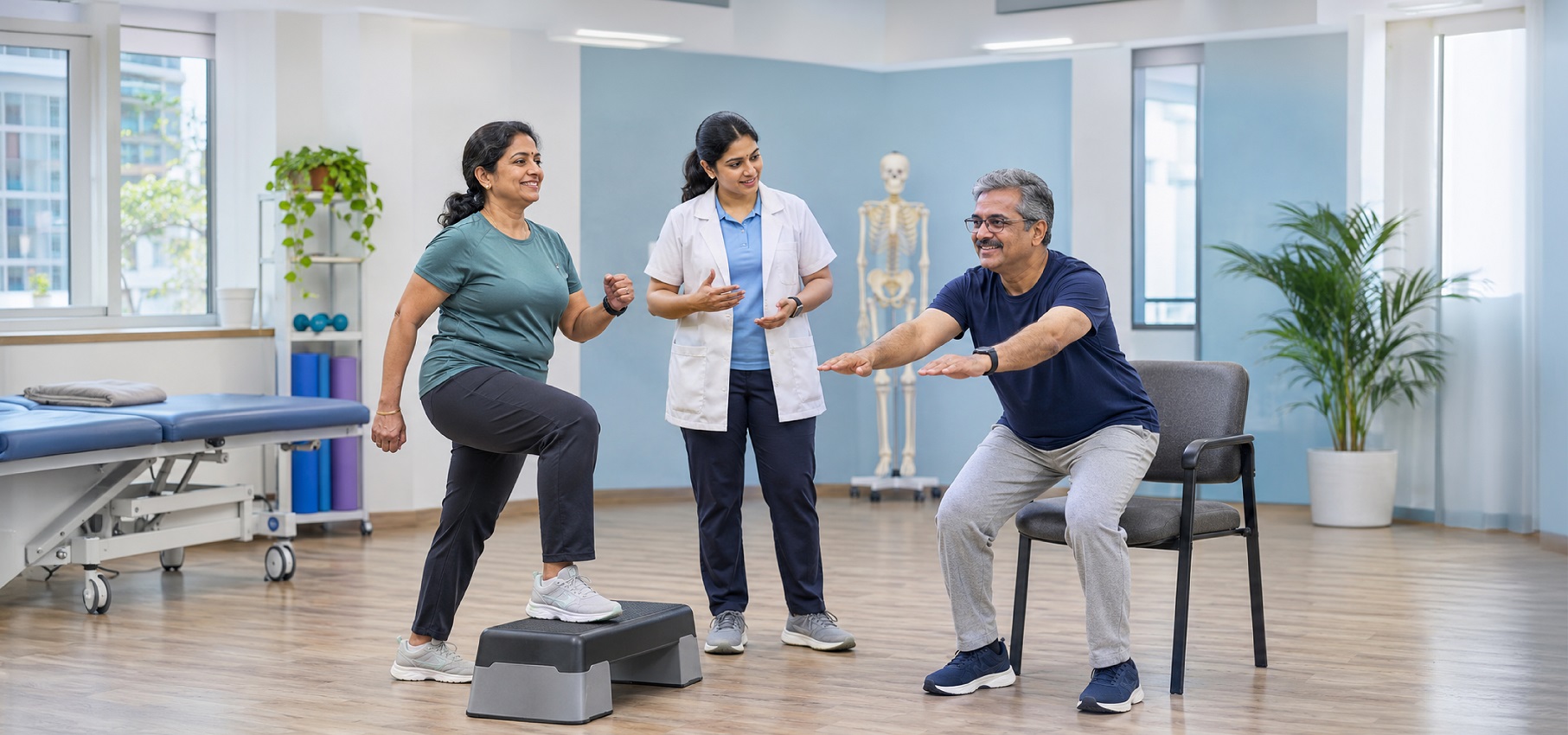
Regular physical activity plays a central role in how to increase bone density, particularly through weight-bearing and resistance exercises that place healthy mechanical stress on bones, prompting them to strengthen over time. Walking, stair climbing and strength training are among the most accessible options, helping build both bone strength and muscle strength when done consistently. However, exercise should always be matched to a patient's age, fitness level and existing medical conditions rather than following a one-size-fits-all routine, and guidance from a physiotherapist can help tailor an appropriate plan.
Weight-Bearing Exercises
- Brisk walking
- Stair climbing
- Appropriate recreational activities
Weight-bearing exercise remains one of the most practical ways to support bone health, and organisations such as the National Health Portal and the Indian Orthopaedic Association often highlight walking and similar low-impact activities as safe starting points for most adults.
Strength and Resistance Training
- Body-weight exercises
- Resistance-band exercises
- Supervised strength training
Resistance exercise, whether through body-weight movements or resistance bands, helps stimulate bone formation while also supporting the surrounding muscles that protect joints and reduce injury risk. For older adults, balance exercises are equally important, as they support mobility and help reduce fall risk, which in turn lowers the likelihood of fractures in individuals with reduced bone density. In cases where a fracture does occur, understanding fracture treatment options becomes an important next step in recovery.
Patient-specific note: Patients who already have osteoporosis, previous fractures, significant joint problems or severe pain should seek professional guidance, ideally from a physiotherapist or a specialist affiliated with a body such as the Indian Association of Physiotherapists, before starting a new exercise programme.

Incorporating consistent weight-bearing and resistance exercises helps stimulate bone strengthening and prevent bone loss over time.
What Lifestyle Changes Can Support Stronger Bones?
Beyond diet and exercise, everyday habits support how to improve your bone density. A healthy body weight, regular physical activity and adequate sleep help maintain a healthy lifestyle and bone strength, while smoking cessation and limiting alcohol intake prevent unnecessary bone loss. For nutritional deficiencies or medical conditions, consult a healthcare professional — schemes like Ayushman Bharat and guidance from the Ministry of Health and Family Welfare make this more accessible.
Daily Habits That Support Bone Health
- Stay physically active
- Eat a balanced diet
- Avoid smoking
- Limit excessive alcohol consumption
- Maintain adequate calcium and vitamin D intake
As highlighted by the National Health Portal and the Indian Council of Medical Research, these habits also support fall prevention, an important consideration for long-term bone health.
How Much Does Bone Density Testing and Treatment Cost in India?
A bone density test typically involves a DEXA (or DXA) scan to measure bone mineral density and screen for osteoporosis. Costs vary by city, diagnostic centre and whether additional investigations are needed — prices in Hyderabad, Mumbai, Bengaluru and Pune can differ, so confirm current pricing directly with the centre.
Treatment costs similarly depend on individual needs, whether nutritional management, medicines, physiotherapy, specialist orthopaedic consultation or further investigation is required. Patients eligible under Ayushman Bharat PM-JAY, overseen by the National Health Authority, may access certain services through government hospitals in India at reduced or no cost, depending on eligibility.
As pricing varies by location and changes frequently, consult your treating doctor or the Indian Orthopaedic Association for current, centre-specific estimates.
When Should You See a Doctor About Bone Density?
Patients with previous fractures, osteoporosis risk factors, or concerns about bone loss should seek professional assessment rather than trying to figure out how to improve bone density on their own. Low bone density often causes no obvious symptoms until a fracture occurs.
A doctor may recommend a bone mineral density test based on:
- Age and medical history
- Fracture risk
- Other clinical indicators, per guidance from the Indian Orthopaedic Association and National Health Portal
If wondering how do I increase bone density safely:
- Avoid starting high-dose calcium or vitamin D supplements without medical advice, even with a suspected calcium deficiency or vitamin D deficiency
- Excessive self-supplementation can cause its own complications
- An orthopaedic specialist can confirm whether osteoporosis is contributing to bone loss and guide next steps, consistent with ICMR nutrient guidance
Who May Need a Bone Health Assessment?
- Older adults
- People with a history of fragility fractures
- Patients with conditions or medicines that can affect bone health
- People advised by their doctor to undergo bone density testing
FAQ
Q: Can walking help improve bone density?
Yes, walking is a weight-bearing activity that supports bone-strengthening exercise through mechanical loading. Regular walking encourages bone remodeling, improves musculoskeletal strength, and contributes to fracture prevention alongside other physical activity.
Q: Which Indian foods are best for bone health?
Calcium-rich Indian foods like milk, curd and ragi support dietary calcium and bone mineralisation. Combined with vitamin D sources and protein-rich foods, they aid protein metabolism, mineral absorption and overall nutrient adequacy for skeletal health.
Q: Can I increase bone density after age 50?
Yes, though bone remodeling slows with age-related bone loss and hormonal changes. Resistance training and weight-bearing activity can still support bone mineral density, reduce fracture risk, and aid osteoporosis prevention as part of healthy aging.
Q: How do I know if I have low bone density?
Low bone density symptoms are often absent, so bone density testing through a DEXA scan is essential. This measures bone mineral density using T-score and Z-score values to assess osteopenia, osteoporosis and fracture risk.
Q: Which doctor should I see for bone density problems in Hyderabad?
An orthopaedic consultation is recommended for bone health evaluation and osteoporosis management. Specialists assess metabolic bone disease through clinical diagnosis and fracture risk evaluation, guiding appropriate rehabilitation care where needed.
Conclusion
Bone density naturally changes with age, but diet, exercise and everyday lifestyle habits can play a meaningful role in supporting bone strength and slowing bone loss. While these measures help, they work best alongside professional guidance, especially for those with existing risk factors or concerns about osteoporosis.
If you have concerns about your bone density or fracture risk, consult an orthopaedic specialist for a thorough assessment and personalised treatment plan.