How to Relieve Lower Back Pain: Effective Treatments and Prevention Tips
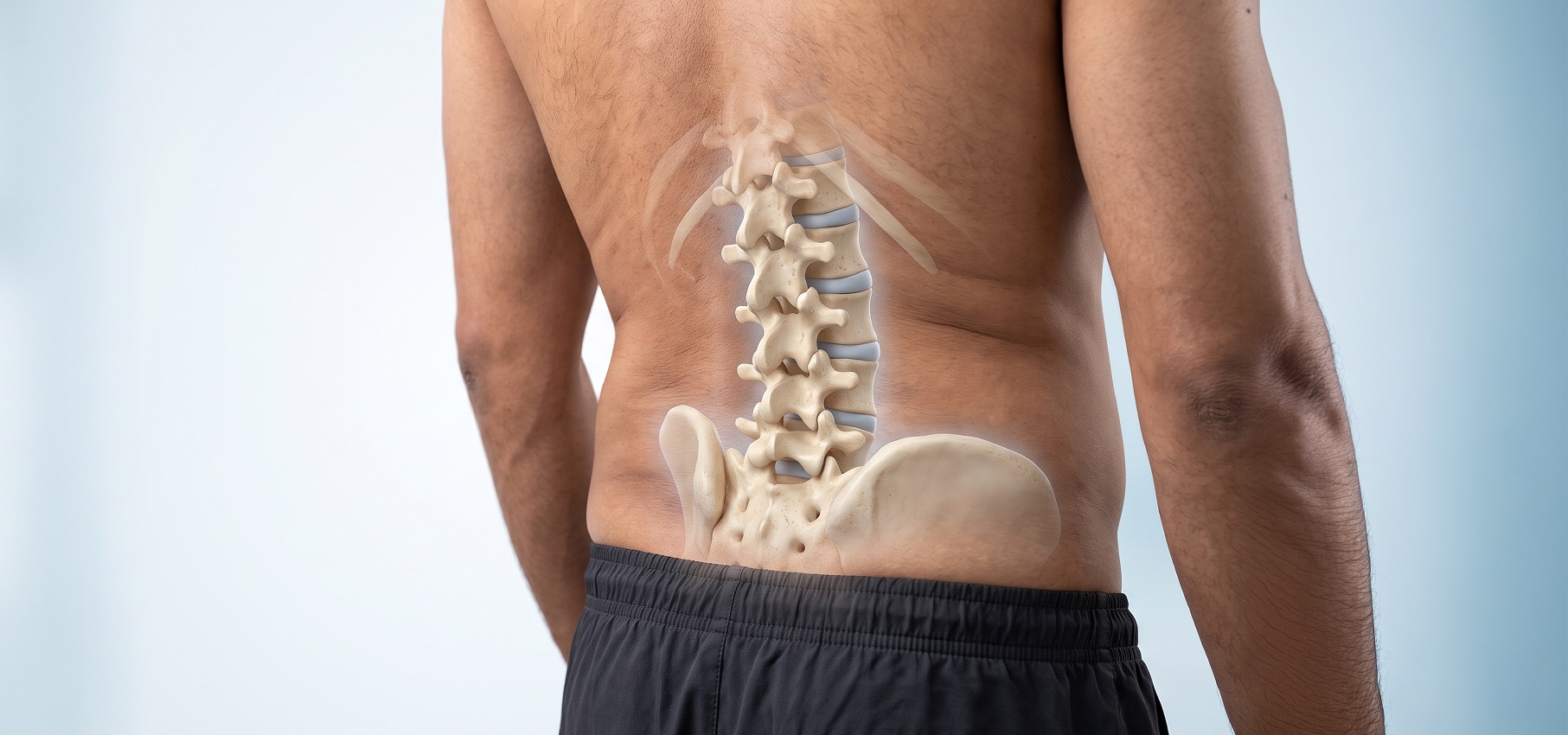
How to relieve lower back pain? Mild lower back pain may improve with gentle movement, appropriate rest, heat or cold therapy, and other conservative measures. However, severe or persistent pain may require medical evaluation to identify the underlying cause.
Lower back pain can result from muscle strain, poor posture, prolonged sitting, injuries, or conditions affecting the spine. The right approach depends on the severity, duration, and cause of the pain.
This guide explains how to relieve lower back pain, which methods may provide relief, when you should see a doctor, and practical ways to reduce the chances of recurring pain.
Key Statistic
According to the World Health Organization, low back pain affected 570 million people worldwide, making it the leading cause of years lived with disability among musculoskeletal conditions (WHO, 2022).
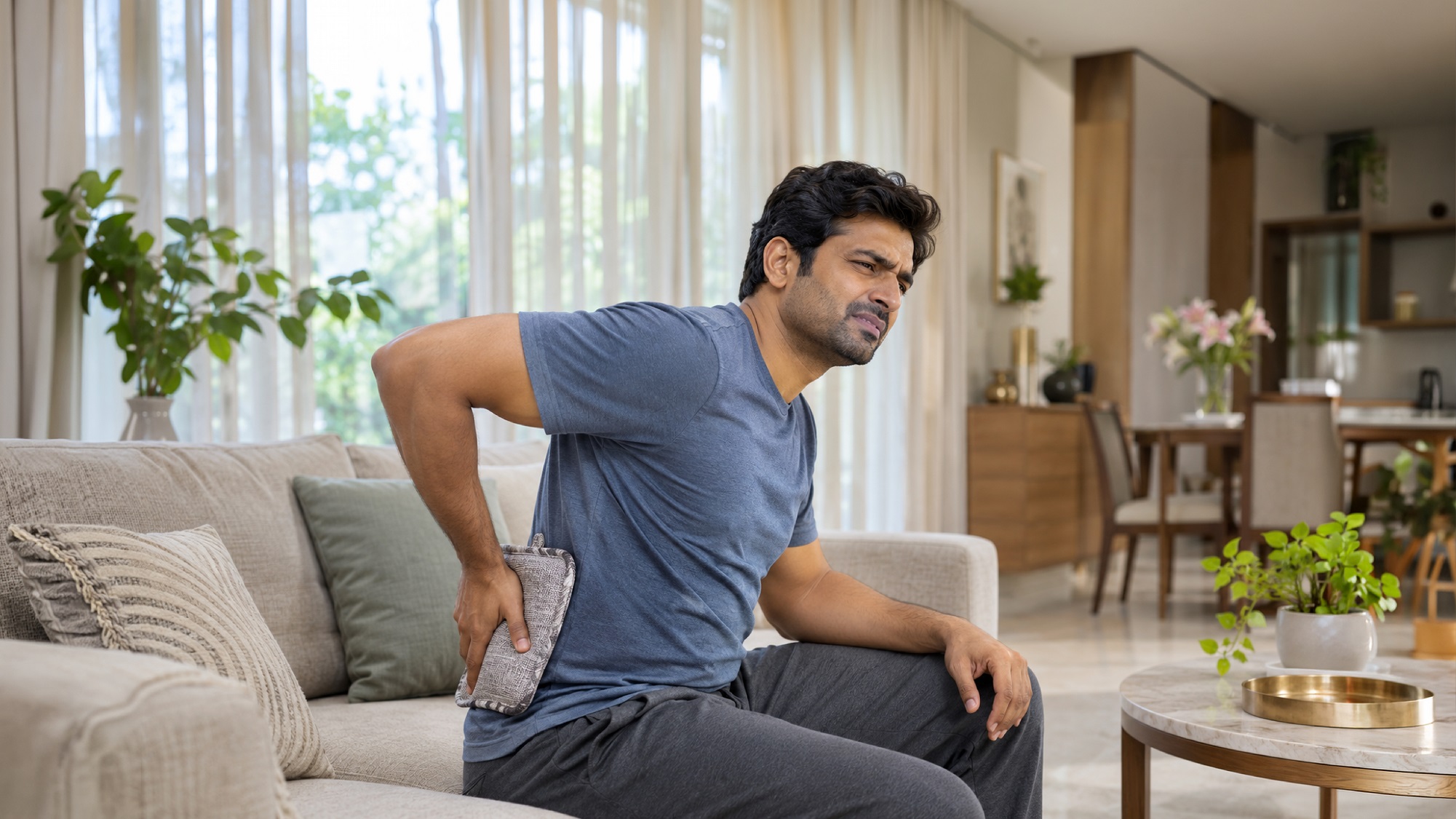
Person applying a heat pack while doing gentle stretching to relieve lower back pain at home.
How to Relieve Lower Back Pain at Home?
For mild, uncomplicated lower back pain, a few simple home-care measures often provide meaningful relief. The goal is to ease strain on the lumbar muscles while keeping the body moving comfortably, rather than staying still for long periods.
Gentle movement is usually more helpful than prolonged bed rest, as inactivity can cause stiffness and slow recovery. Heat or cold therapy, applied correctly, can also ease discomfort depending on the nature of the pain. At the same time, it's important to avoid activities that clearly worsen symptoms, while still maintaining light daily movement wherever possible. Many people also find that basic muscle relaxation techniques and gentle stretching help reduce tension in the lower back.
Can Heat or Cold Help Lower Back Pain?
Cold therapy is often useful in the first day or two after an acute injury, as it can help reduce inflammation and swelling. Heat therapy, on the other hand, tends to work well for ongoing muscle stiffness or tightness, as it helps relax tense muscles and improve blood flow to the area.
Whichever method is used, always place a cloth barrier between the skin and the hot or cold source, and avoid prolonged direct exposure to prevent skin irritation or injury.
Should You Rest or Keep Moving?
Prolonged bed rest is generally not recommended unless specifically advised by a doctor, as it can lead to further stiffness and muscle weakness. Instead, gentle, comfortable movement is usually encouraged to keep the lumbar spine mobile and support recovery.
That said, any activity that significantly increases pain should be stopped, and movement should be resumed gradually as symptoms allow.
What Treatments Can Help Relieve Lower Back Pain?
Effective lower back pain relief depends largely on the underlying cause and severity of the condition, so treatment is rarely one-size-fits-all. For many people, physiotherapy and exercise therapy form the foundation of pain management, guided by a qualified professional and often following the treatment principles recommended by bodies such as the Indian Association of Physiotherapists. Medicines may also be prescribed when recommended by a healthcare professional, particularly to manage pain and inflammation during the initial stages of rehabilitation. For a more detailed look at available options, see this guide to Back Pain Treatment.
Imaging is not required for every episode of back pain and is typically considered only when clinically indicated after a proper medical evaluation, rather than as a routine step. Similarly, procedures or spinal treatment, including surgery, are generally reserved for selected conditions affecting the lumbar spine, rather than being a routine response to ordinary lower back pain. Guidelines from organisations such as the Indian Orthopaedic Association and the National Health Authority generally support a conservative, stepwise approach before considering more invasive options.
Physiotherapy and Exercise-Based Treatment
A structured physiotherapy programme often includes strengthening exercises for the back and core, along with mobility exercises to restore normal movement patterns. Posture and movement training can help correct habits that contribute to strain, while a gradual return to normal activity ensures the back adapts safely without overloading healing tissues.
When Is Specialist Treatment Needed?
Specialist evaluation may be needed when symptoms are persistent, when episodes of pain keep recurring, or when there's a suspicion of nerve involvement. Pain that follows significant trauma should also be assessed by a specialist rather than managed at home, as it may indicate a more serious underlying issue.
How Is the Cause of Lower Back Pain Diagnosed?
Arriving at an accurate lower back pain diagnosis typically begins with a detailed medical history, followed by a clinical examination and physical examination to assess the affected area. As part of this back pain assessment, doctors often carry out a range of motion assessment to check for stiffness or restricted movement, along with a neurological examination or neurological assessment to identify any signs of nerve involvement, such as changes in sensation, reflexes, or muscle strength.
This kind of thorough lumbar pain evaluation helps determine whether further diagnostic imaging is needed. Imaging such as radiography (X-ray) or magnetic resonance imaging (MRI) is used when clinically indicated, rather than as a routine step for every patient. In some cases, a computed tomography (CT) scan or a nerve conduction study may also be recommended, depending on the symptoms and the suspected cause of the pain. Other investigations may follow based on individual findings, helping guide the most appropriate treatment approach.
How Can You Prevent Lower Back Pain From Coming Back?
Preventing lower back pain from returning comes down to a few consistent habits. Maintain an ergonomic posture with a proper ergonomic workstation to protect the lumbar spine, and stay mindful of sitting posture during long desk hours.
An active lifestyle, along with core exercises and regular back strengthening, keeps the spine stable and mobile. Safe lifting techniques help avoid recurring strain, while regular movement breaks reduce stiffness from prolonged sitting. Physiotherapy professionals and bodies such as the Indian Association of Physiotherapists commonly recommend these habits for long-term spine care.
| Habit | How it may help |
| Take regular movement breaks | Reduces prolonged sitting |
| Maintain a comfortable posture | Reduces unnecessary strain |
| Strengthen back and core muscles | Supports spinal movement |
| Lift with proper technique | Reduces injury risk |
| Stay physically active | Supports mobility and strength |
Patient Example
A working professional experiencing recurring lower back discomfort due to prolonged desk sitting underwent clinical assessment. As part of an individualised management plan, the patient received guidance on posture correction, regular movement breaks, and targeted exercises, leading to noticeable improvement in symptoms over time.
How Much Does Lower Back Pain Treatment Cost in India?
Lower back pain treatment costs vary by diagnosis, city, healthcare provider, and treatment type. Expenses may include an orthopaedic consultation or specialist consultation, X-ray or MRI imaging, physiotherapy cost per session, medicines, and specialist procedures for ongoing pain management.
Costs also differ between cities like Hyderabad, Mumbai, Bengaluru, and Pune, so compare options locally. Government hospitals in India and schemes like Ayushman Bharat PM-JAY can reduce costs for eligible patients, while guidelines from the Indian Orthopaedic Association and National Health Authority support appropriate care standards. Choose treatment based on medical need, not cost alone.

Knowing when to seek professional medical evaluation for persistent or worsening lower back pain.
When Should You See a Doctor for Lower Back Pain?
While many cases of lower back pain improve with home care, knowing how to relieve severe lower back pain starts with recognising when professional assessment is needed. Severe back pain, or pain that is persistent or steadily worsening, should not be ignored. Symptoms such as numbness, leg weakness, or nerve pain spreading into the leg often point to an underlying issue that needs a proper medical evaluation from an orthopaedic specialist or spine specialist.
Back pain following a significant accident or injury should also be assessed promptly, as it may indicate a spinal injury. Resources such as the National Health Portal can offer general guidance, but persistent or severe symptoms warrant a direct consultation rather than self-management.
When Is Lower Back Pain an Emergency?
Certain symptoms call for immediate attention at the nearest emergency department. These include new problems with bladder or bowel control, numbness around the inner thighs or groin, significant weakness in the legs, or severe pain following major trauma. If any of these occur, seek emergency care right away rather than waiting to see if symptoms improve.
FAQ
Q: Can sleeping position make lower back pain worse?
Yes. Poor sleep posture affects spinal alignment and lumbar support, increasing musculoskeletal strain, pressure distribution issues, and positional loading, often causing morning back stiffness or lumbar discomfort during sleep.
Q: Is walking good for lower back pain?
Yes, walking is a gentle, low-impact exercise that supports spinal mobility, aerobic exercise, and functional movement. It aids exercise rehabilitation while improving gait mechanics and overall load tolerance safely.
Q: Can sitting for long hours cause lower back pain?
Yes. Prolonged sitting causes postural strain, spinal loading, and sedentary behaviour, worsening lumbar posture. An ergonomic workstation and regular movement breaks help reduce office-related musculoskeletal stress significantly.
Q: Which doctor should I consult for lower back pain in Hyderabad?
Consult an orthopaedic specialist or spine specialist for clinical assessment. They provide musculoskeletal evaluation, diagnostic assessment, and rehabilitation care, or offer specialist referral for persistent lumbar pain evaluation.
Q: Can lower back pain be prevented with exercise?
Yes. Core strengthening, flexibility exercises, and spinal conditioning build muscle strengthening and movement control. A tailored exercise prescription supports functional rehabilitation and long-term back pain prevention effectively.
Conclusion
Lower back pain may improve with appropriate movement, home care and lifestyle changes when the cause is minor. However, severe, persistent or recurring pain can require professional assessment to identify the underlying problem and choose the right treatment.
Book an orthopaedic consultation with our orthopaedic or spine specialist to understand the cause of your lower back pain and receive a treatment plan suited to your symptoms and condition.