Back Pain Treatment: Causes, Symptoms & Recovery Guide
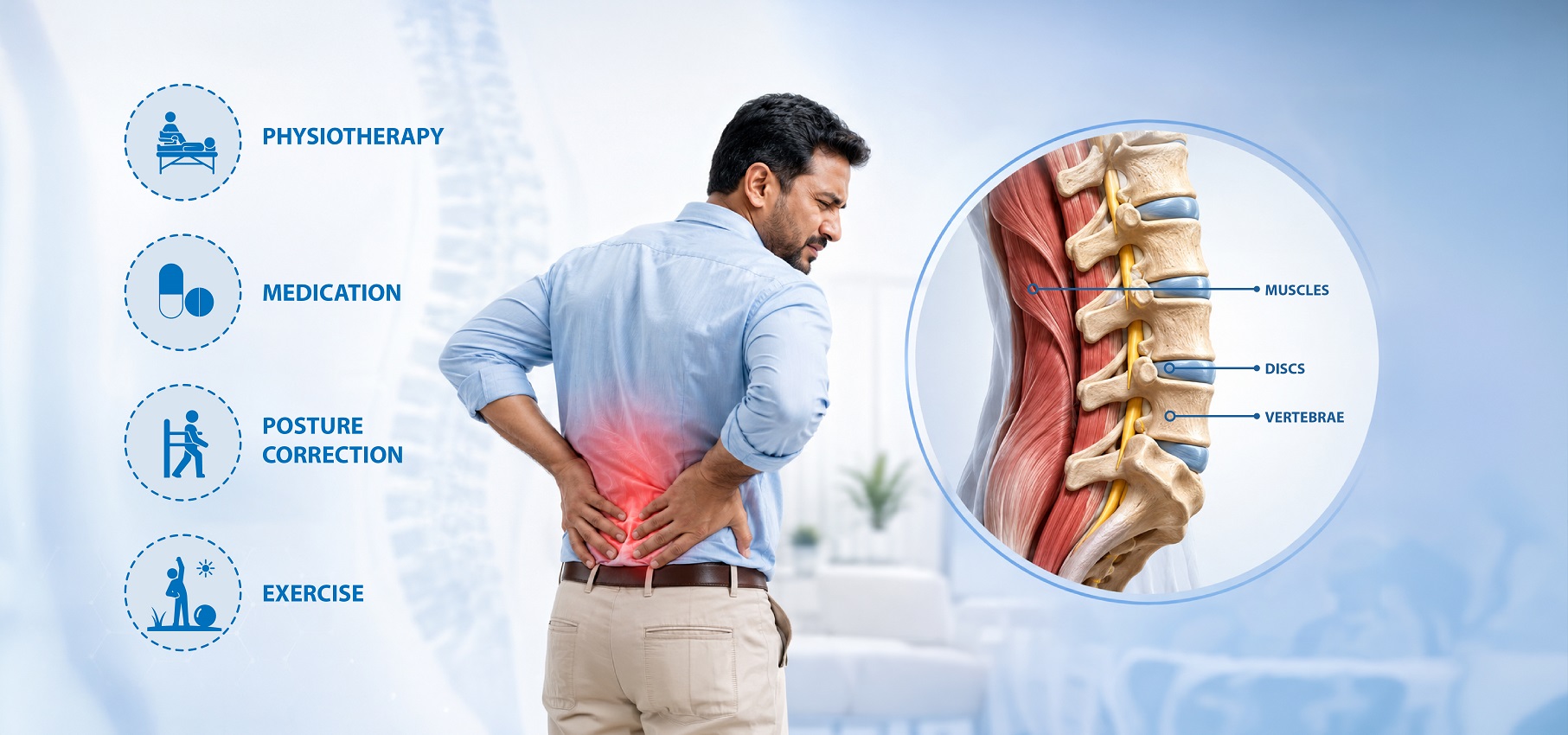
Back pain is one of the most common musculoskeletal problems and can result from muscle strain, poor posture, injury, or spinal conditions. While many cases improve with rest, exercise, and physiotherapy, persistent or severe lower back pain should be evaluated by an orthopaedic specialist for proper diagnosis and treatment.
Whether your back pain started suddenly or has been bothering you for weeks, understanding its cause is the first step towards recovery. This guide explains the common causes, symptoms, treatment options, home remedies, costs in India, and when you should seek medical care.
Lower Back Pain Explained
Lower back pain is one of the most common musculoskeletal pain conditions in India. According to the WHO, it is the leading cause of disability worldwide. The Lumbar Spine consists of five vertebrae, supported by spinal muscles, spinal discs, and ligaments that absorb movement and load. When any of these structures are stressed, injured, or degenerated, pain develops. Acute back pain lasts under 12 weeks and is often caused by sudden strain. Chronic pain persists beyond 12 weeks and requires structured medical management. The Ministry of Health and Family Welfare recommends early evaluation for persistent lower spine pain.
What Are the Lower Back Pain Symptoms?
Lower back pain symptoms range from mild stiffness to severe radiating pain that affects daily movement. The Lumbar Spine is the most commonly affected region, and symptoms vary depending on whether muscles, discs, or the Sciatic Nerve are involved. What is the reason for lower back pain is a question best answered by understanding whether the source is muscular strain, disc-related, or nerve compression, since each requires a different treatment approach. Early recognition allows timely treatment and prevents chronic pain from developing.

Localised Pain and Stiffness
Dull aching pain and stiffness in the lower back that worsens after prolonged sitting, standing, or bending is the most common early symptom of Lumbar Spine involvement.
Leg Pain and Radiating Pain
Pain that travels from the lower back down through the buttocks and into the leg pain suggests Sciatic Nerve irritation — commonly known as sciatica — and requires evaluation by an Orthopaedic Surgeon.
Numbness and Tingling
Numbness and tingling in the legs, feet, or toes indicate nerve compression in the Lumbar Spine. These symptoms should never be ignored as they may worsen without appropriate treatment and MRI evaluation.
Muscle Spasms and Reduced Mobility
Sudden muscle spasms and reduced mobility when bending or twisting are common in acute lower back injuries. They indicate muscle or ligament involvement and respond well to early physiotherapy and rest.
Red-Flag Symptoms Requiring Immediate Care
Seek immediate attention from an Orthopaedic Surgeon if lower back pain is accompanied by loss of bladder or bowel control, severe numbness, progressive leg weakness, or pain following a fall or accident. An MRI is essential in these cases.
Patient Experience
A 42-year-old office professional visited with chronic lower back stiffness and leg pain affecting his work and sleep. Six months of physiotherapy and posture correction resolved his symptoms completely — without surgery. He returned to full activity pain-free.
Back Pain Treatment: How to Reduce Back Pain Effectively
Lower back pain treatment depends on the cause, severity, and duration of symptoms. Most cases of backbone pain respond well to conservative management including physiotherapy, posture correction, and pain management. Surgical intervention is considered only when conservative treatments fail. Treatment at a NABH Hospital may be covered under Ayushman Bharat for eligible patients.
Home Remedies for Back Pain Relief
Heat therapy, rest, gentle stretching, and posture correction during daily activities provide effective back pain relief for mild acute episodes. Avoiding prolonged sitting and maintaining a neutral spine position significantly reduces musculoskeletal pain recurrence.
Physiotherapy and Exercise Therapy
A qualified Physiotherapist designs a structured spinal rehabilitation programme combining exercise therapy, core strengthening, and posture correction. This is the most effective long-term solution for both acute and chronic lower back pain treatment.
Medications
Anti-inflammatory drugs and muscle relaxants provide short-term pain management during flare-ups. Osteoarthritis medications and analgesics are prescribed alongside physiotherapy — not as a primary standalone treatment for persistent back pain.
Spine Injections:
Epidural or nerve block spine injections target persistent nerve-related pain unresponsive to physiotherapy and medications. They provide targeted back pain relief for weeks to months depending on the underlying spinal condition.
Spine Surgery
A Spine Surgeon recommends surgical intervention for severe structural conditions — including disc herniation, spinal stenosis, or instability — where conservative lower back pain treatment has not provided adequate relief after an appropriate trial period.
| Treatment | Best For | Recovery | Approx. Cost (₹) |
| Physiotherapy | Muscle strain | 2–6 weeks | ₹500–₹2,000/session |
| Medicines | Pain relief | Few days | ₹100–₹2,500/month |
| Spine Injections | Persistent pain | Weeks | ₹10,000–₹40,000 |
| Spine Surgery | Severe conditions | Several weeks | ₹2–₹6 lakh |
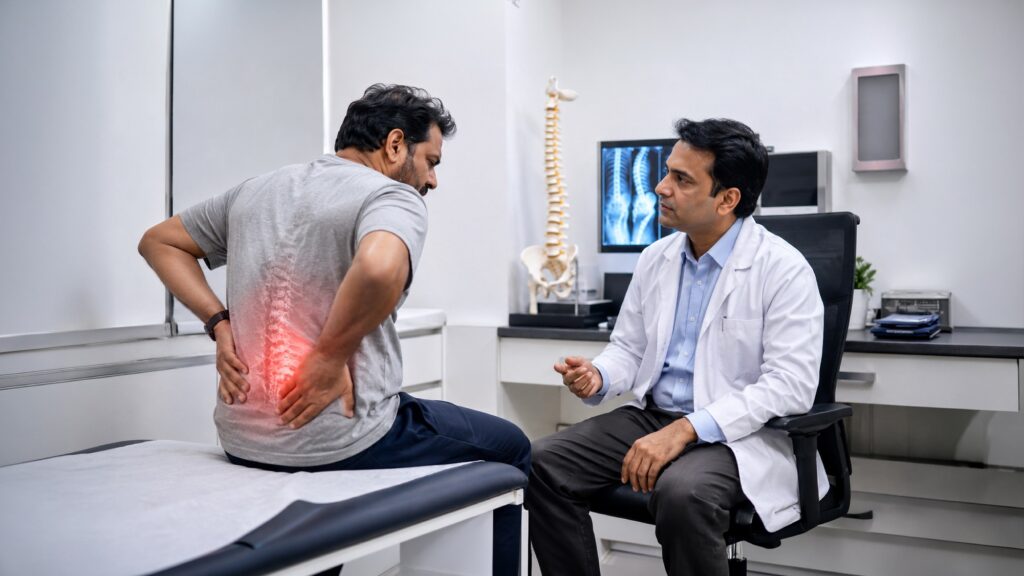
When Should You See an Orthopaedic Specialist?
Consult an Orthopaedic Surgeon if you experience any of the following:
- Pain lasting more than 2 weeks without improvement
- Progressive leg weakness or numbness
- Difficulty walking or altered gait
- Fever alongside back pain
- Unexplained weight loss
- Back pain following trauma or a fall
- Loss of bladder or bowel control — this requires immediate emergency care
Early evaluation prevents minor conditions from becoming serious spinal problems.
Conclusion
Back pain is a common condition, but early diagnosis and the right treatment can help you recover faster and prevent long-term complications. Understanding the cause is the key to effective pain relief and improved mobility.
Book a consultation with an experienced orthopaedic specialist. If you’re experiencing persistent back pain, consult Dr. Siddharth Reddy for a comprehensive evaluation and personalized treatment plan
FAQ
Q1. What is the most common reason for lower back pain?
The most common reasons for lower back pain include muscle strain, poor posture, prolonged sitting, spinal disc problems, and age-related wear and tear. In many cases, symptoms improve with rest, exercise, and physiotherapy, but persistent pain should be evaluated by an orthopaedic specialist.
Q2. How can I reduce back pain at home?
You can reduce mild back pain by staying active, applying heat or cold packs, maintaining good posture, avoiding prolonged bed rest, and performing gentle stretching exercises. If pain lasts longer than a few weeks or worsens, consult a doctor for a proper diagnosis.
Q3. What are the symptoms of lower back pain that need medical attention?
Seek medical attention if lower back pain is severe, radiates down the legs, causes numbness or weakness, affects bladder or bowel control, or follows an injury. These symptoms may indicate a more serious spinal condition requiring prompt treatment.
Q4. Which doctor should I consult for lower back pain in Hyderabad?
If you have persistent lower back pain in Hyderabad, consult an orthopaedic specialist. They may recommend X-rays, MRI scans, or other tests to identify the cause and create a personalised treatment plan based on your condition.
Q5. What is the best treatment for lower back pain?
The best treatment depends on the underlying cause. Most patients improve with physiotherapy, medications, posture correction, and exercise. Severe spinal conditions such as slipped discs or spinal instability may require injections or surgery after specialist evaluation.