What Is Osteoarthritis Meaning?: Symptoms, Causes, Treatment, and More
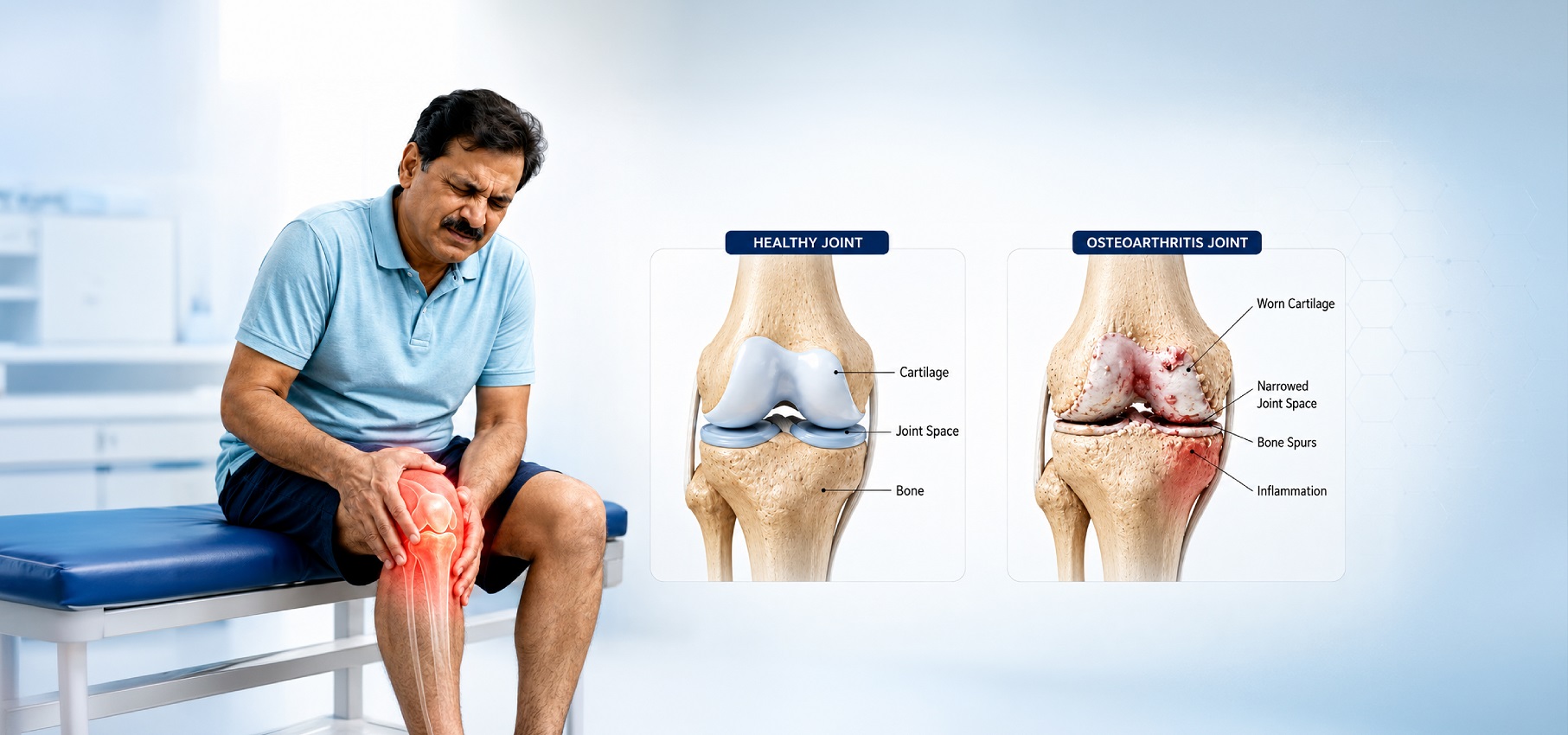
Osteoarthritis is the most common type of arthritis that occurs when the protective cartilage cushioning the ends of bones gradually wears away. It commonly affects the knees, hips, hands, and spine, causing pain, stiffness, swelling, and reduced joint movement. Early diagnosis and proper treatment can help manage symptoms and improve quality of life.
If you’ve been experiencing persistent joint pain or stiffness, especially while walking or climbing stairs, understanding osteoarthritis is the first step towards effective treatment. In this guide, you’ll learn its symptoms, causes, diagnosis, treatment options, costs in India, and when it’s time to consult an orthopaedic specialist.
What Are the Common Osteoarthritis Symptoms?
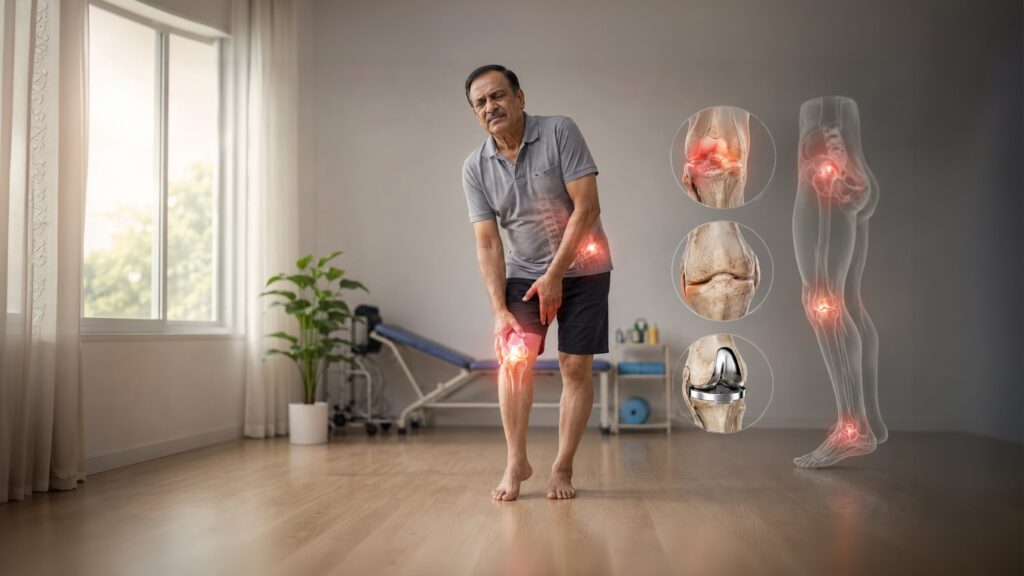
Osteoarthritis affects millions of people across India, with the Knee Joint being the most frequently affected joint. Recognising osteoarthritis symptoms including joint stiffness, knee pain, and reduced mobility — early allows timely intervention before joint damage progresses further and daily activities become increasingly difficult.
Early Symptoms You Shouldn’t Ignore
Morning stiffness lasting under 30 minutes, joint tenderness around the affected area, swollen joints after activity, and reduced mobility when bending are early warning signs. Knee pain worsening with walking or climbing stairs should always be evaluated promptly by an orthopaedic specialist.
Symptoms by Joint Location
If your Knee Joint hurts while walking or climbing stairs, that is often the first sign. Groin pain and difficulty bending point to the Hip Joint. Tenderness and bony enlargements around the knuckles suggest Hand Joints are affected. Stiffness in the neck or lower back — sometimes with radiating pain — indicates the Spine may be involved.
Patient Experience
A 65-year-old homemaker visited our clinic with progressive knee pain and morning stiffness affecting her daily routine. Six months of physiotherapy improved her mobility significantly. When symptoms returned with greater severity, knee replacement restored her independence completely.
What Causes Osteoarthritis and Who Is Most at Risk?
Research by ICMR and the Global Burden of Disease Study confirms that knee osteoarthritis prevalence in India ranges between 22–39%. Ageing joints, obesity, joint injury, genetics, and repetitive stress are the primary causes of osteoarthritis. High BMI is identified as an independent risk factor, contributing significantly to the growing burden of osteoarthritis across India.
Common Risk Factors
Ageing joints naturally lose cartilage over time, increasing vulnerability. High BMI places sustained pressure on weight-bearing joints. Previous joint injury, repetitive stress from occupational or sporting activities, genetics, and chronic inflammation all significantly raise the risk of developing osteoarthritis — particularly in the knee and hip.
Can Osteoarthritis Be Prevented?
While ageing joints cannot be reversed, modifiable risk factors can be managed. Maintaining a healthy BMI, staying physically active, avoiding repetitive stress on joints, and seeking early evaluation after joint injury significantly reduce the risk. Treatment decisions should always be personalised after clinical evaluation by a qualified orthopaedic specialist.
How Is Osteoarthritis Diagnosed?
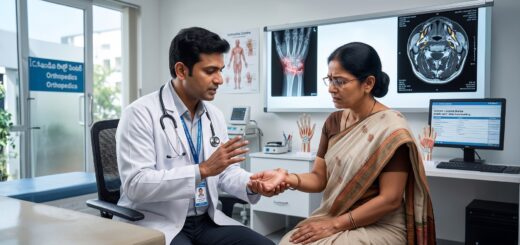
Early osteoarthritis diagnosis significantly improves treatment outcomes and slows joint deterioration. A qualified Orthopaedic Surgeon begins with a detailed physical examination and medical history to assess cartilage damage, joint function, and symptom progression. Diagnostic imaging and laboratory tests confirm the diagnosis and rule out other forms of arthritis before a treatment plan is prepared.
Physical Examination
A thorough joint examination assesses swelling, tenderness, range of motion, and joint stability. The Orthopaedic Surgeon evaluates which joints are affected and how significantly daily activities and mobility have been impacted.
X-ray
An X-ray reveals joint space narrowing, bone spurs, and structural changes caused by cartilage damage — making it the first and most commonly used diagnostic imaging tool for confirming osteoarthritis.
MRI Scan
An MRI scan provides detailed images of soft tissues, cartilage, and ligaments. It is recommended when X-ray findings are inconclusive or when early-stage cartilage damage needs to be assessed more precisely.
Blood Tests
Blood tests from a NABL Accredited Laboratory help rule out rheumatoid arthritis, gout, and other inflammatory conditions that may present with similar symptoms to osteoarthritis.
When Should You Visit an Orthopaedic Specialist?
Consult an Orthopaedic Surgeon if joint pain, joint examination findings, or stiffness persist beyond a few weeks, worsen with activity, or begin affecting daily tasks. Early osteoarthritis diagnosis through diagnostic imaging and physical examination allows timely treatment before irreversible cartilage damage occurs.

What Is the Best Treatment for Osteoarthritis? (Comparison Table)
The best treatment for osteoarthritis depends on the stage of the condition, the joints affected, and the patient’s overall health. Early-stage osteoarthritis responds well to lifestyle changes and physiotherapy, while advanced cases may require knee replacement surgery. Treatment at a NABH Hospital may be covered under Ayushman Bharat for eligible patients.
Lifestyle Changes
Weight management, low-impact exercise therapy, and activity modification reduce stress on ageing joints and slow cartilage deterioration. These are the first line of management for early osteoarthritis and form the foundation of every treatment plan.
Physiotherapy
A qualified Physiotherapist designs targeted rehabilitation programmes that strengthen muscles around the joint, improve mobility, and reduce pain management dependency. Physiotherapy is recommended across all stages of osteoarthritis as a core treatment approach.
Osteoarthritis Medications
Osteoarthritis medications including anti-inflammatory drugs and analgesics help manage pain and reduce swelling during flare-ups. They are prescribed alongside physiotherapy and lifestyle changes — not as a standalone treatment.
Joint Injections
Corticosteroid or hyaluronic acid joint injections provide targeted pain management for moderate osteoarthritis. They are recommended when physiotherapy and medications alone do not provide adequate relief.
Total Knee Replacement
Total Knee Replacement (TKR) is recommended for severe osteoarthritis where conservative treatments have failed. It is one of the most effective surgical interventions for restoring mobility and eliminating chronic joint pain permanently.
| Treatment | Best For | Recovery | Approx. Cost (₹) |
| Lifestyle Changes | Early OA | Immediate | Minimal |
| Physiotherapy | Mild–Moderate | Weeks | ₹500–₹2,000/session |
| Medicines | Pain relief | Few days | ₹100–₹2,500/month |
| Injections | Moderate OA | Months | ₹5,000–₹30,000 |
| Knee Replacement | Severe OA | Several weeks | ₹1.8–₹4.5 lakh |
Conclusion
Osteoarthritis is a common but manageable joint condition. Recognising the symptoms early, getting an accurate diagnosis, and following the right treatment plan can significantly improve mobility and quality of life.
If you are experiencing persistent joint pain or stiffness, do not ignore the symptoms. Book a consultation through our Orthopaedic Consultation Services to receive a personalised evaluation and treatment plan that helps you stay active and pain-free.
FAQ
Q1. How is osteoarthritis diagnosed in Hyderabad?
An orthopaedic doctor in Hyderabad usually diagnoses osteoarthritis through a physical examination, medical history, and X-rays. In some cases, MRI scans or blood tests may be recommended to rule out other joint conditions before planning the most suitable treatment.
Q2. When should I consult an orthopaedic doctor for osteoarthritis?
You should consult an orthopaedic specialist if joint pain lasts for several weeks, stiffness affects daily activities, swelling increases, or pain continues despite home remedies. Early diagnosis helps prevent further joint damage and improves long-term treatment outcomes.
Q3. Which joints are most commonly affected by osteoarthritis?
A: Osteoarthritis most commonly affects weight-bearing joints such as the knees, hips, and spine, but it can also develop in the hands, shoulders, and feet. These joints experience gradual cartilage wear over time, leading to pain, stiffness, and reduced range of motion.
Q4. Is osteoarthritis a normal part of ageing?
Although osteoarthritis becomes more common with age, it is not an inevitable part of ageing. Factors such as previous joint injuries, obesity, repetitive movements, genetics, and lifestyle also contribute to its development. Early management can help maintain joint health and mobility.
Q5. Can exercise help people with osteoarthritis?
Yes. Low-impact exercises such as walking, swimming, cycling, and strengthening exercises can improve joint flexibility, reduce stiffness, and support muscle strength around affected joints. Exercise should be performed under medical or physiotherapy guidance if symptoms are severe.
Q6. Can osteoarthritis affect younger adults?
Yes. While osteoarthritis is more common in older adults, younger people can develop it after sports injuries, fractures, obesity, or repetitive joint stress. Early diagnosis and lifestyle changes may help slow disease progression and reduce long-term joint damage.