Knee Injuries: Types, Symptoms, Treatment & Recovery Guide
A knee injury occurs when the bones, ligaments, cartilage, tendons, or muscles around the knee joint are damaged due to trauma, sports activities, falls, or overuse. Early diagnosis and the right treatment can reduce pain, restore movement, and help prevent long-term complications.
Whether you have twisted your knee while playing sports or developed pain after a fall, understanding your injury is the first step towards recovery. A knee joint injury can range from a minor sprain to a more serious ligament or cartilage tear, and the right diagnosis early on shapes the entire recovery path. For athletes and active individuals, timely Sports Injury Treatment can make a significant difference in how quickly and completely you recover. This guide explains the different types of knee injuries, symptoms, diagnosis, treatment options, recovery time, and treatment costs.
What Are the Types of Knee Injuries?
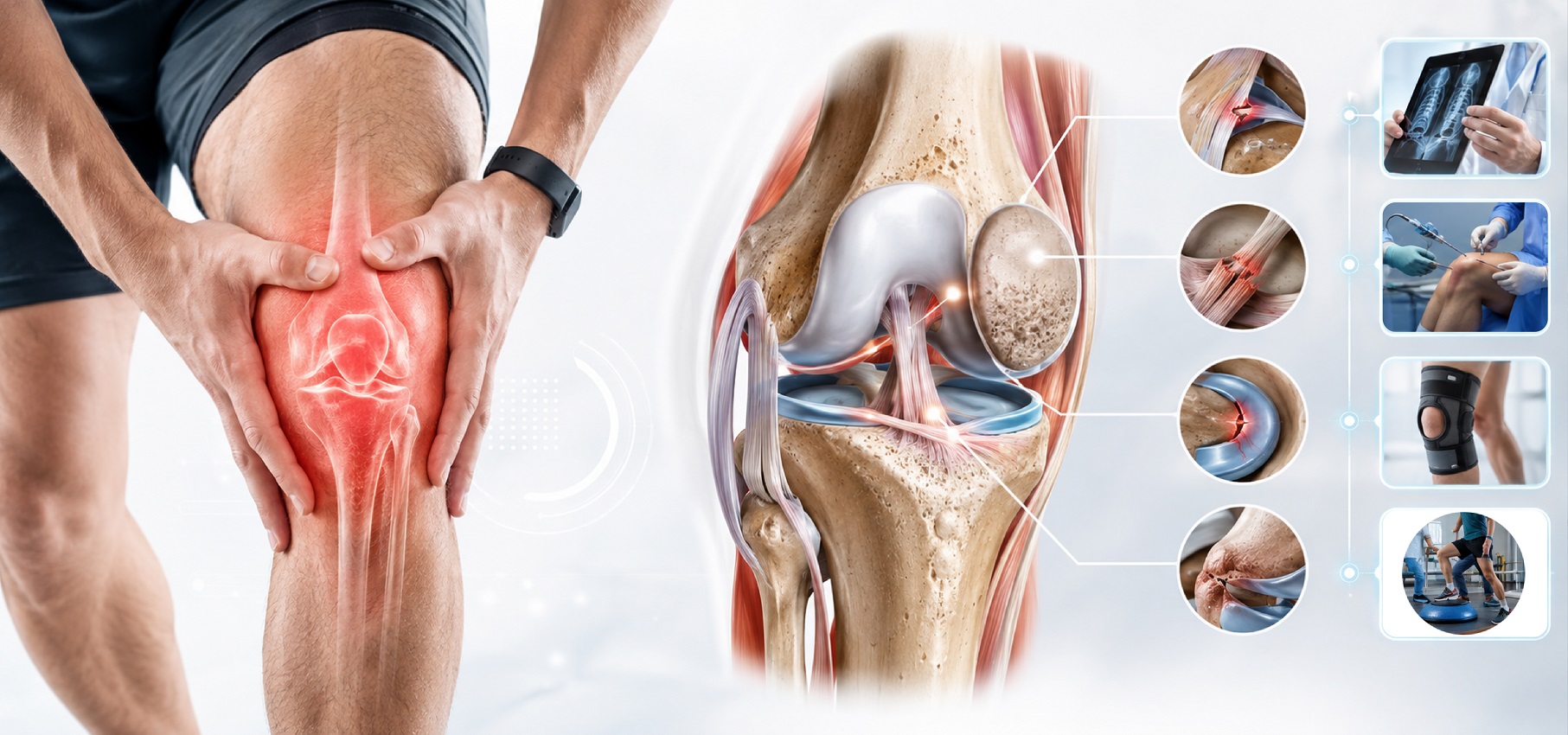
Knee injuries vary widely in severity and cause. Understanding the types of knee injuries helps in identifying the right treatment approach early and avoiding long-term joint damage.
Sports-Related Knee Injuries
ACL Tear
An ACL (Anterior Cruciate Ligament) tear is one of the most common sports injuries, often caused by sudden stops, pivoting, or direct impact. It results in immediate pain, swelling, and instability in the knee joint.
PCL Injury
The PCL (Posterior Cruciate Ligament) is injured less frequently than the ACL but can occur from a direct blow to the front of the knee — common in contact sports and road accidents.
MCL Sprain
The MCL (Medial Collateral Ligament) runs along the inner side of the knee. A ligament injury here is typically caused by a force hitting the outer side of the knee, common in football and contact sports.
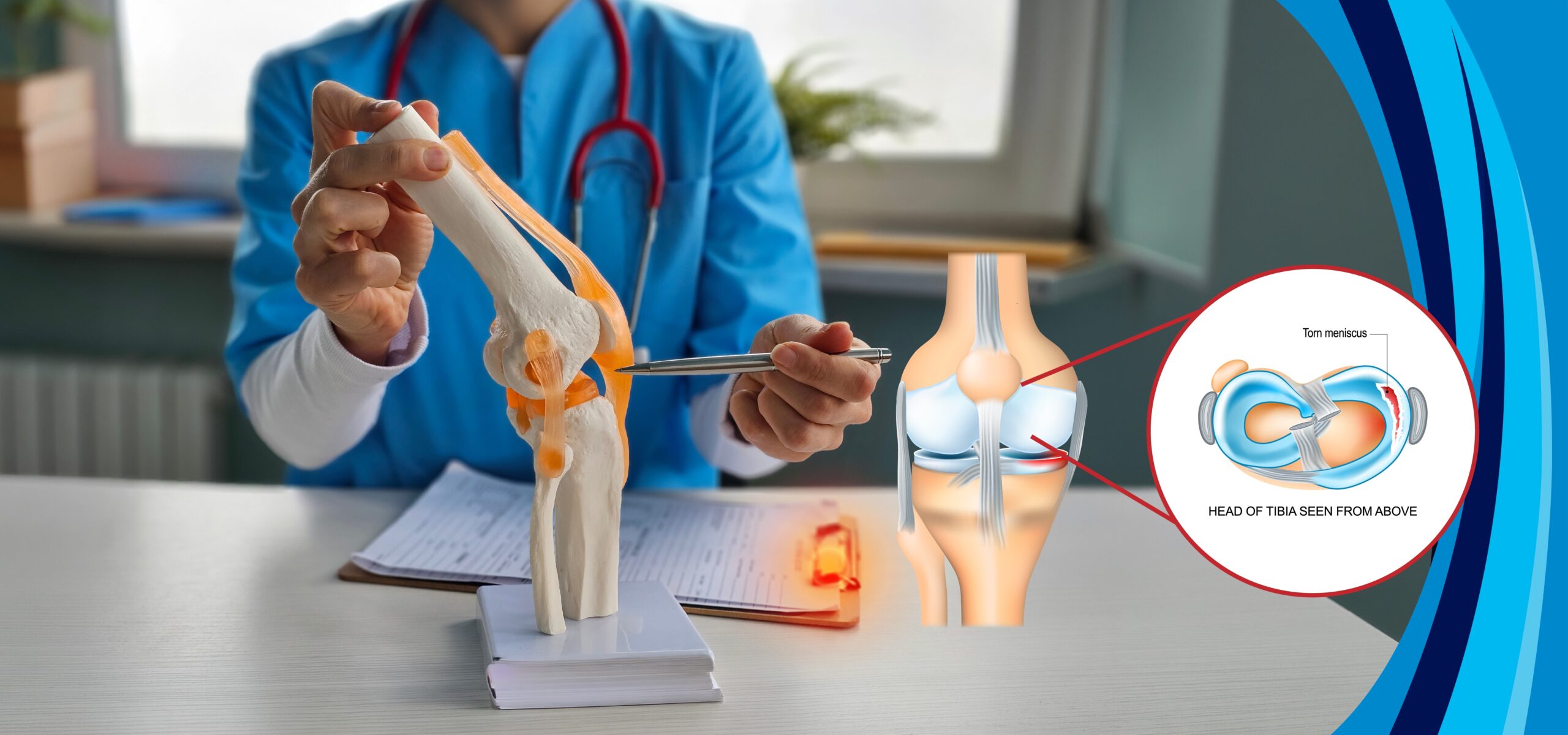
Meniscus Tear
The Meniscus acts as a cushion between the thigh and shin bones. A meniscus tear occurs when the knee is twisted forcefully, causing pain, swelling, and difficulty straightening the leg.
Patellar Tendon Injury
A patellar tendon injury affects the tendon connecting the kneecap to the shin bone. It is common among runners, jumpers, and cyclists who place repeated stress on the knee.
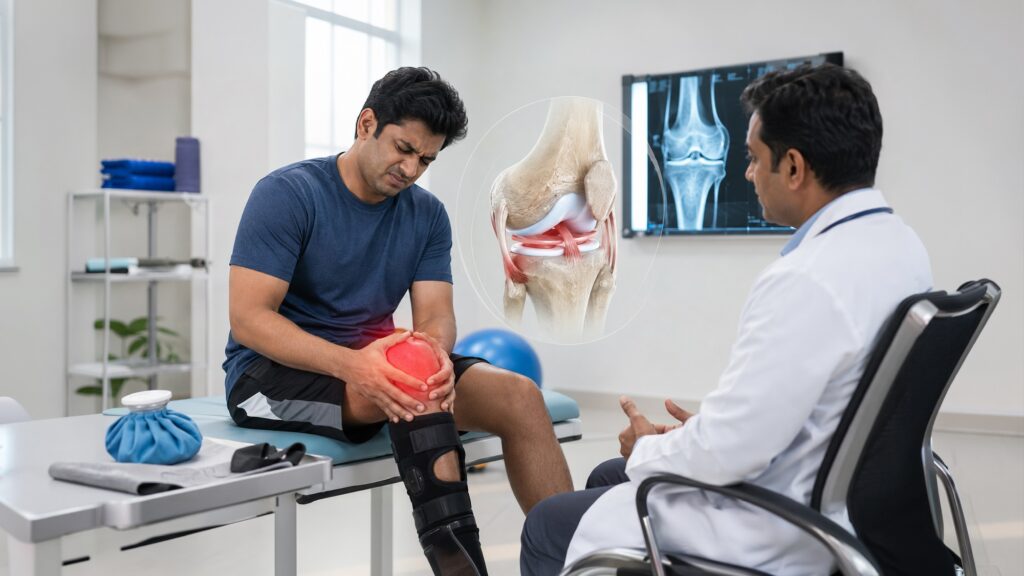
Common Knee Injuries in Older Adults
Knee Fracture
A knee fracture involves a break in one or more bones forming the knee joint — most commonly the kneecap. It is typically caused by falls, direct impact, or weakened bones due to osteoporosis in older adults.
Knee Dislocation
A knee dislocation occurs when the bones of the knee are forced out of their normal alignment. It is a serious injury requiring immediate medical attention to avoid damage to surrounding nerves and blood vessels.
Bursitis
Bursitis is the inflammation of the small fluid-filled sacs (bursae) that cushion the knee joint. It develops gradually due to prolonged kneeling, repetitive movements, or age-related wear — causing localised pain and swelling.
Ligament Sprain
Ligament sprains range from mild stretching to complete tears. In older adults, even a minor fall can cause a significant ligament injury due to reduced bone density and muscle strength around the joint.
What Are the Knee Injury Symptoms?
Recognising knee injury symptoms early can prevent minor damage from becoming a long-term problem. Symptoms vary depending on the type and severity of the injury but most affect movement, comfort, and stability of the knee joint. Understanding how to recover from knee injury starts with recognising these early signs, since prompt attention often shortens overall healing time.
Early Warning Signs
Pain and Swelling
Pain is usually the first sign of a knee injury. Knee swelling may develop immediately after impact or gradually over several hours, depending on whether ligaments, tendons, or cartilage are involved.
Popping Sensation
A sudden popping sensation at the time of injury often indicates ligament damage — particularly an ACL tear. This is frequently accompanied by sharp pain and rapid swelling.
Stiffness and Limited Movement
Stiffness and limited movement around the knee make it difficult to fully bend or straighten the leg. This is common in meniscus tears and bursitis.
Instability
A feeling of the knee giving way or buckling under weight is a sign of instability often linked to ligament injuries or cartilage damage.
Bruising
Visible bruising around the knee joint after a fall or impact suggests bleeding beneath the skin and possible bone or ligament involvement.
Difficulty Walking
Pain and weakness may make walking, climbing stairs, or bearing weight on the affected leg uncomfortable or impossible.
When to Seek Emergency Care
Seek immediate medical attention from an Orthopaedic Surgeon if you experience:
- Sudden severe pain with inability to bear weight
- Significant knee swelling that develops rapidly
- Visible deformity or misalignment of the knee
- Complete loss of movement or instability
- Numbness or tingling below the knee
These symptoms may indicate a knee dislocation, severe ligament tear, or fracture that requires urgent evaluation — including X-ray or MRI imaging — to prevent permanent damage. What is knee injury in these cases usually points to structural damage rather than a minor sprain, which is why urgent imaging matters before deciding on treatment.
Patient Experience
A 28-year-old football player came in with a popping sensation, swelling, and inability to walk. MRI confirmed a partial ACL tear. After 12 weeks of physiotherapy, he regained full movement and returned to playing — without surgery.
How Is Knee Injury Treatment Planned?
Knee injury treatment depends on the type, severity, and the patient’s activity level. Mild injuries are managed with RICE therapy — Rest, Ice, Compression, and Elevation. A qualified Physiotherapist guides rehabilitation through targeted exercises that restore strength and movement. Pain management using medicines helps control inflammation during recovery. For cartilage and ligament damage, Arthroscopy offers a minimally invasive surgical option with faster recovery. Severe ACL or PCL tears may require ligament repair or reconstruction. Treatment at a NABH Hospital may be covered under Ayushman Bharat for eligible patients.
| Treatment | Best For | Recovery | Approx. Cost (₹) |
| RICE Therapy | Minor injuries | Days | Minimal |
| Physiotherapy | Ligament & muscle injuries | 4–8 weeks | ₹500–₹2,000/session |
| Medicines | Pain & inflammation | Days | ₹100–₹2,500/month |
| Arthroscopy | Meniscus/ligament injuries | 2–6 weeks | ₹60,000–₹2 lakh |
| Knee Ligament Reconstruction | Severe ACL/PCL tears | 6–9 months | ₹1.5–₹4 lakh |
According to the World Health Organization (WHO), regular physical activity, including strength and weight-bearing exercises, plays an important role in maintaining musculoskeletal health and reducing injury risk.
How to Recover from Knee Injury and Heal Faster?
Understanding how to recover from a knee injury begins with a structured rehabilitation programme guided by a Physiotherapist or Sports Medicine Specialist. Recovery depends on the type and severity of the injury. For evidence-based guidance, refer to the Ministry of Health and Family Welfare
Recovery Tips
Follow a structured rehabilitation programme with guided recovery exercises to restore mobility and knee strengthening. Wear a Knee Brace when advised, practise activity modification, and prioritise rest and nutrition to support the healing process and speed up recovery.
Mistakes to Avoid During Recovery
Never return to activity before full mobility is restored. Avoid skipping physiotherapy sessions, ignoring pain signals during knee strengthening, or refusing a prescribed Knee Brace. These mistakes delay rehabilitation and significantly increase the risk of repeat injury.
FAQ
Q1: What is the best treatment for a knee injury?
A: Knee injury treatment depends on the cause and severity of the injury. It may include the RICE method (Rest, Ice, Compression, Elevation), medications, physiotherapy, knee braces, injections, or surgery for severe ligament tears, fractures, or complex cartilage injuries.
Q2: Can I walk with a knee injury?
A: Some minor knee injuries allow walking with mild discomfort, but walking on a serious injury can worsen the damage. If your knee gives way, locks, swells rapidly, or causes severe pain while walking, avoid weight-bearing and seek medical evaluation as soon as possible.
Q3: What exercises help during knee injury recovery?
A: Gentle range-of-motion exercises, quadriceps strengthening, hamstring stretches, and balance exercises are commonly recommended during knee injury recovery. These should only be performed under the guidance of a physiotherapist or orthopaedic specialist to avoid further injury.
Q4. How long does it take to recover from a knee injury?
Recovery depends on the type of injury. Minor sprains may heal within a few weeks, while ligament injuries or surgery can require several months of rehabilitation. Following your doctor’s advice and physiotherapy plan is essential for optimal recovery.
Q5. Which doctor should I consult for knee injury treatment in Hyderabad?
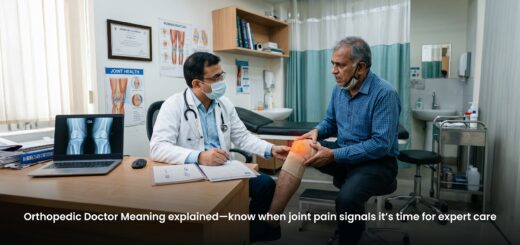
For knee injury treatment in Hyderabad, consult an orthopaedic specialist, particularly one with experience in sports injuries and arthroscopy. They can perform a clinical examination, recommend imaging tests such as MRI if needed, and create an individualised treatment plan.
Conclusion
Knee injuries can affect people of all ages, but early diagnosis and appropriate treatment significantly improve recovery and reduce the risk of long-term joint damage. Understanding the type of injury is the first step towards effective care.
If you have persistent knee pain, swelling, or difficulty walking, book a consultation with an experienced orthopaedic specialist for an accurate diagnosis and a personalised treatment plan.