Knee Swelling: Causes, Treatment & When to See a Doctor

Knee swelling usually occurs when excess fluid builds up in or around the knee joint. It can result from injury, overuse, arthritis, inflammation, infection or other underlying conditions. The amount and timing of swelling can offer clues about the cause, and it may come with pain, stiffness, warmth, redness or difficulty bending the knee. Mild swelling after a minor strain may improve with appropriate care, but sudden, severe or persistent knee joint swelling needs medical evaluation. This article explains about Knee Arthritis, common knee swelling causes, what symptoms may mean, how it is diagnosed and treated, how to reduce swelling in the knee, and when to seek professional care.
What Are the Common Knee Swelling Causes?
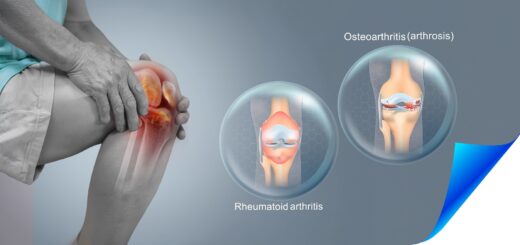
Knee swelling occurs when excess fluid builds up in or around the knee joint due to injury, inflammation, overuse or an underlying condition. A knee injury, such as an anterior cruciate ligament (ACL) injury, Meniscus Tear or fracture, is one cause. An overuse injury may follow a sudden increase in walking, running or exercise. Arthritis, including osteoarthritis and rheumatoid arthritis, can cause joint and knee inflammation and a swollen knee, and bursitis may also be involved. Infection is less common but needs prompt medical evaluation. Swelling after an injury usually appears soon after it, while swelling without an obvious injury tends to build gradually.
Knee Joint Swelling Symptoms – Pain, Stiffness, Fluid Buildup and Reduced Movement
What Symptoms Can Occur With Knee Joint Swelling?
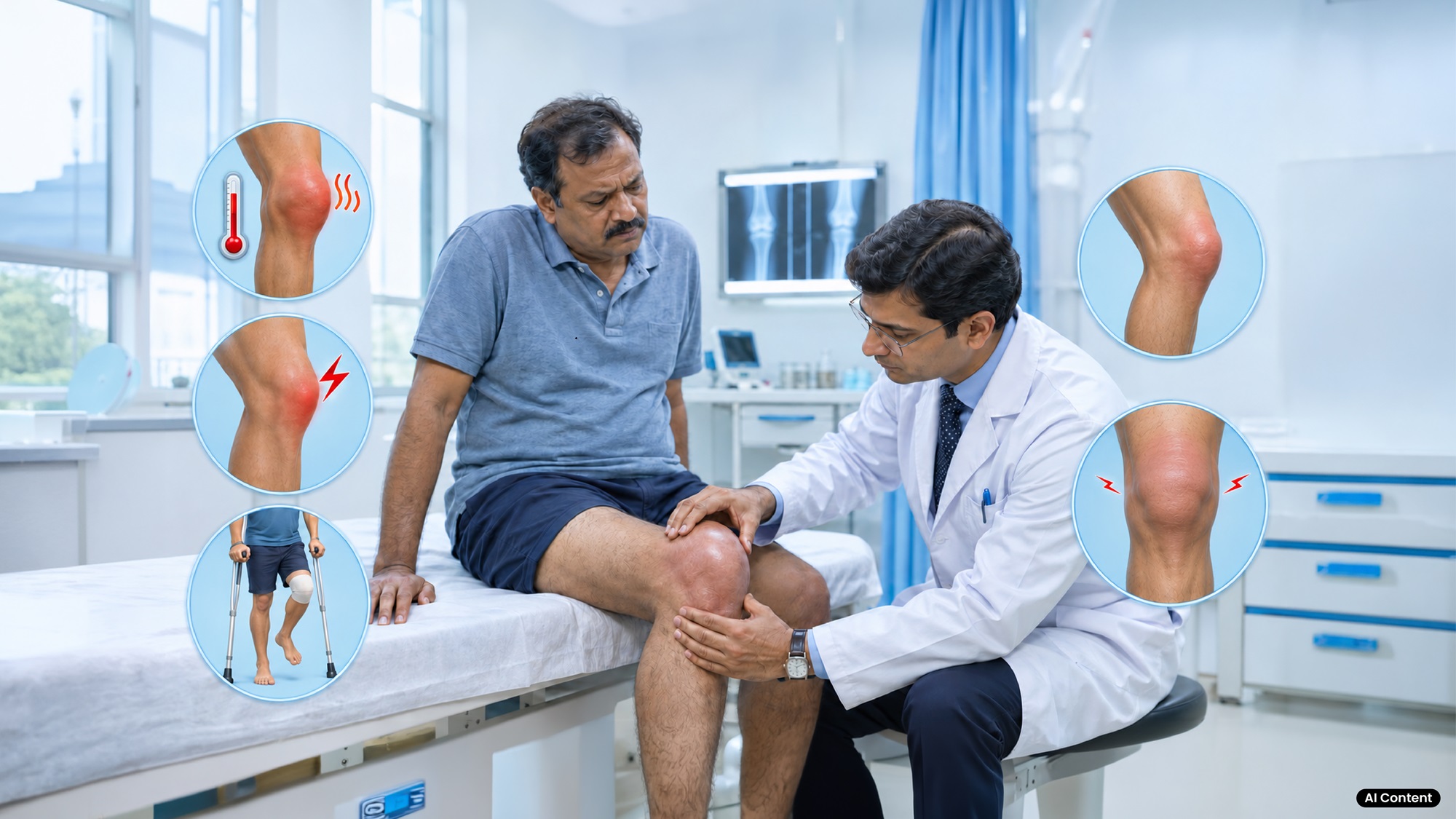
Knee joint swelling may come with knee pain, knee stiffness, warmth, redness and reduced movement. When fluid builds up inside the joint, it can be hard to bend or straighten the knee fully, limiting the range of motion and making walking difficult. If an injury is involved, you may also notice clicking, joint instability or trouble with weight-bearing. Inflammation can cause the knee to feel warm and tender.
Symptoms That May Need Prompt Medical Attention
See a doctor promptly if swelling comes with:
- Fever, redness and warmth around the knee
- Severe pain
- Inability to bear weight
- A knee that looks out of shape after an injury
- Swelling that appears suddenly or keeps getting worse
How Is Knee Swelling Diagnosed and Treated?
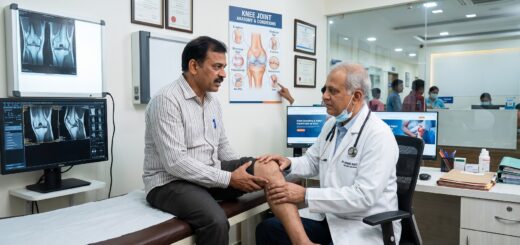
Diagnosis begins with your medical history and a physical examination of the knee. Depending on the suspected cause, diagnostic imaging such as an X-ray, ultrasound or MRI may be recommended. Knee swelling treatment depends on the underlying cause, and not everyone needs imaging.
Non-Surgical Treatment Options
Many people are managed without surgery. Options may include activity modification, prescribed medicines, physiotherapy (physical therapy) and a rehabilitation programme. Response varies from person to person.
When Are Procedures or Surgery Considered?
Procedures such as joint aspiration (arthrocentesis), where fluid is drawn from the knee, or surgery may be considered only when clinically appropriate for the underlying condition. Suitability, risks and recovery vary from person to person, and your doctor will explain what to expect.

How to Reduce Knee Swelling – Ice Therapy, Compression, Elevation and Knee Rehabilitation
How Can You Reduce Swelling in the Knee?
If you are wondering how to reduce swelling in the knee, short-term measures may help in some cases. Rest and activity modification, which means avoiding movements that aggravate symptoms, can ease strain. Cold therapy (cryotherapy), gentle compression and elevation may be used where appropriate, ideally as a clinician advises. Avoid prolonged self-treatment if the cause is unclear. Treatment should address the underlying reason for swelling and not only the visible puffiness, and therapeutic exercise or knee rehabilitation may be part of the plan. Consult an orthopaedic doctor if swelling lasts more than a few weeks.
FAQ
Q: What are the common causes of knee swelling?
Common knee swelling causes include injuries, overuse, osteoarthritis, inflammatory arthritis and inflammation inside or around the joint. A swollen knee can also occur after a ligament or meniscus injury. Less commonly, infection or another medical condition may be responsible. The cause is easier to identify when the swelling is assessed along with other symptoms.
Q: How can I reduce swelling in my knee at home?
For mild swelling, temporarily reducing activities that make the symptoms worse may help. Cold therapy may also provide short-term relief when appropriate. Avoid putting excessive stress on the knee until the cause is clearer. If swelling is severe, persistent, recurrent or associated with significant pain, seek medical assessment.
Q: When should I see a doctor for knee joint swelling?
See a doctor if knee joint swelling persists, keeps returning or makes walking and normal activities difficult. Prompt medical attention is important if the knee becomes very painful, hot or red, or if swelling is accompanied by fever. A sudden swollen knee after an injury should also be evaluated.
Q: What treatment is available for knee swelling in Hyderabad?
Knee swelling treatment in Hyderabad depends on the underlying cause. A specialist may recommend activity modification, prescribed medicines, physiotherapy or rehabilitation. Some patients may need imaging or procedures such as joint aspiration. Treatment is selected after considering the symptoms, examination findings and suspected condition rather than treating swelling alone.
Q: Can knee swelling go away on its own?
Mild knee swelling caused by temporary strain may improve with appropriate rest and activity modification. However, swelling can also result from injuries, arthritis, inflammation or infection, which may require specific treatment. If the swelling does not improve, repeatedly returns or affects movement, arrange a medical evaluation to identify the underlying cause.
CONCLUSION
Knee swelling can have several causes, from temporary overuse to injuries, arthritis and inflammatory conditions. The underlying cause matters because treatment differs between conditions, so persistent or sudden swelling is worth getting assessed. If knee swelling is affecting your walking, exercise or daily activities, consult an orthopaedic doctor for an appropriate assessment and treatment plan.
AI Disclosure: This post may include content, visuals, or media created or enhanced with the assistance of AI tools and reviewed by Our team before publishing. Read More: AI Disclosure.