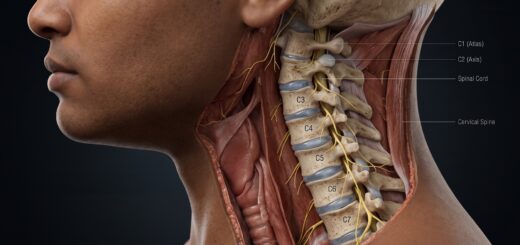
Leg Cramps at Night: Causes, Pain Relief & Prevention

Leg cramps at night are sudden, involuntary tightening of a leg muscle, often in the calf. They can cause intense pain and may last from a few seconds to several minutes. The exact reason for leg cramps at night is not always clear, but contributing factors can include muscle fatigue, prolonged sitting or standing, physical activity, dehydration and certain medical conditions or medicines. Gently stretching and moving the affected muscle can often help during an episode. Frequent, severe or persistent cramps may need medical assessment to identify an underlying cause. This article explains the causes of night-time cramps, what to do when a cramp occurs, treatment options, prevention strategies and when to see a doctor.
What Are Leg Cramps at Night and What Do They Feel Like?
Nocturnal leg cramps are sudden, involuntary muscle contractions that happen at night, often waking you from sleep. They commonly affect the calf muscle but can also involve the thigh or foot. During an episode, the skeletal muscle suddenly tightens and may feel hard, knotted and painful. This sudden muscle pain usually settles within seconds to minutes, though the muscle may feel sore afterwards. The neuromuscular system controls these contractions, and the exact trigger is not always clear.
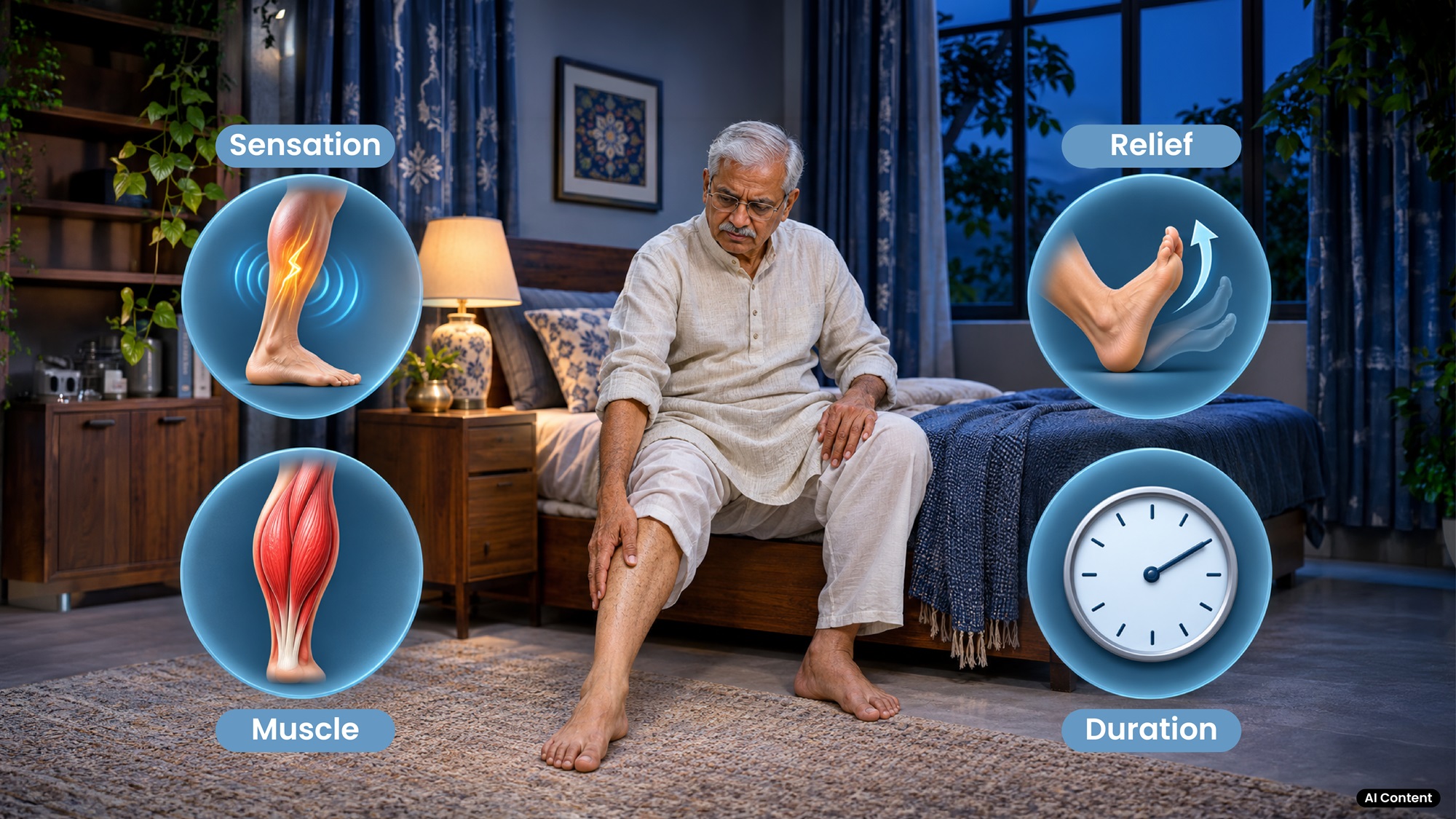
Difference Between Night Leg Cramps and Restless Legs Syndrome.
Leg Cramps vs Restless Legs Syndrome
Calf cramps and restless legs syndrome can both disturb sleep, but they feel different.
| Feature | Leg cramps | Restless legs syndrome |
| Sensation | Sudden, painful muscle tightening | An urge to move the legs, often with an uncomfortable crawling or tingling feeling |
| Muscle | Visibly tight or hard | Usually no hard, knotted muscle |
| Relief | Stretching often helps during an episode | Movement or walking often eases it |
| Duration | Seconds to minutes | Can continue for longer, often in the evening or at rest |
If you are unsure which one you have, an orthopaedic assessment can help identify the cause.
What Causes Leg Cramps at Night?
Many people ask what causes leg cramps at night, and the exact reason is not always clear. Common causes of leg cramps at night include muscle fatigue, long periods of inactivity and a sudden increase in physical activity. Dehydration and prolonged standing or sitting may also play a part. An electrolyte imbalance, changes in electrolyte balance, or reduced peripheral circulation can be linked to cramps in some people. Some medicines and medical conditions are also associated with muscle cramps, which is why medication-related cramps are worth mentioning to your doctor. No single vitamin or mineral deficiency explains every case, and neuromuscular function can be affected by several factors at once.
Common Triggers and Risk Factors
- Muscle fatigue after exercise or a long day on your feet
- Prolonged sitting or standing
- Dehydration or low fluid intake
- A sudden increase in physical activity
- Some medicines (check with your doctor before changing any)
- Certain medical conditions
- Increasing age
Having a risk factor does not mean you will develop cramps.
When Frequent Cramps Need Medical Assessment
Consult an orthopaedic doctor if cramps are frequent, severe or keep returning, or if they disturb your sleep or daily activities. Seek prompt assessment if cramps come with swelling, redness, weakness, numbness or skin changes in the leg.
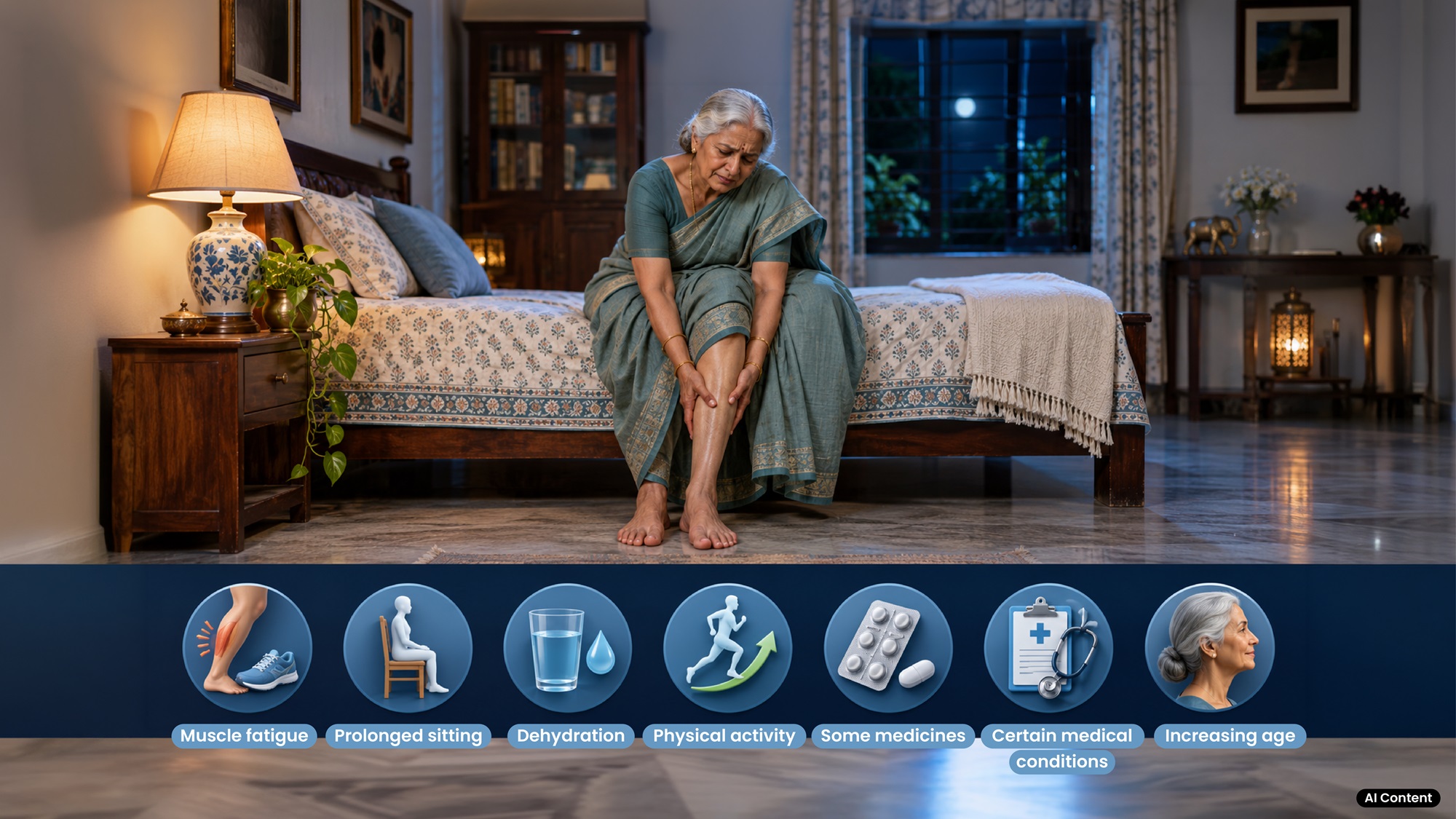
Common Causes and Risk Factors of Leg Cramps
How Can You Stop Leg Cramps at Night and Get Pain Relief?
When a cramp strikes, the aim is to gently ease the muscle. Therapeutic stretching and gradual movement of the leg can help the muscle relax. Gentle massage or comfortable heat therapy may help some people, though responses vary. Avoid forceful stretching or sudden movements during a painful cramp, as these can strain the muscle further. Leg cramps at night treatment at home is usually simple, but if pain continues after the cramp settles, or cramps keep returning, consult an orthopaedic doctor. Physical rehabilitation, such as a guided stretching routine, can also be discussed with a professional.
What to Do When a Cramp Starts
- Stretch gently: For a calf cramp, straighten the leg and slowly pull your toes towards your shin (a calf stretch).
- Move gradually: Stand up if you can and walk slowly, putting weight on the affected leg.
- Massage lightly: Gently rub the tight muscle.
- Use comfortable warmth: A warm towel may help muscle relaxation. Avoid very hot temperatures.
- Stay calm: Avoid jerking or forcing the leg.
How Can You Relieve Leg Cramps at Night?
The reason for leg cramps at night varies, so everyday habits matter. Regular calf stretching and an appropriate exercise routine support muscle conditioning, but avoid sudden increases in physical activity. Maintain good hydration and keep a comfortable sleep position. If cramps are frequent, review your medicines or underlying conditions with a healthcare professional, and never stop medicines on your own.
FAQ
Q: What causes leg cramps at night?
Leg cramps at night can be linked to muscle fatigue, prolonged sitting or standing, physical activity, dehydration and changes in muscle or nerve function. Some medicines and medical conditions may also be associated with cramps. In many people, however, the exact cause is not identified. Frequent or severe cramps should be assessed by a healthcare professional.
Q: How do I stop leg cramps at night quickly?
When a leg cramp starts, gently stretch and move the affected muscle without forcing it. For a calf cramp, carefully straightening the leg and bringing the toes towards you may help. Gentle massage or comfortable heat may also provide relief. If cramps are severe or keep returning, seek medical advice.
Q: What causes severe leg cramps at night?
Severe leg cramps may occur because of intense muscle fatigue, prolonged inactivity or other factors that contribute to muscle cramping. Recurrent severe cramps can sometimes be associated with nerve, circulation, metabolic or medication-related issues. If cramps frequently disturb sleep, cause significant pain or occur with weakness or numbness, medical assessment is advisable.
Q: What treatment is available for leg cramps at night in Hyderabad?
Treatment for leg cramps at night in Hyderabad depends on how often the cramps occur and whether an underlying cause is identified. A doctor may review your medical history, medicines and symptoms and recommend appropriate stretching, activity changes or treatment for an underlying condition. Tests may be suggested when clinically necessary.
Q: Can leg cramps at night be prevented?
Some people can reduce nighttime cramps by maintaining regular physical activity, gently stretching the calf and other leg muscles and avoiding sudden increases in exercise. Staying adequately hydrated may also help. If cramps continue despite these measures, speak with a healthcare professional to check for medicines, medical conditions or other contributing factors.
CONCLUSION
Leg cramps at night are common and may have several possible triggers, from muscle fatigue and inactivity to medicines or underlying health conditions. Occasional cramps may improve with gentle stretching and appropriate self-care, while frequent or severe episodes deserve medical evaluation. If night-time leg cramps are repeatedly disturbing your sleep or affecting your daily life, consult an orthopaedic doctor to discuss the possible cause and appropriate treatment.
AI Disclosure: This post may include content, visuals, or media created or enhanced with the assistance of AI tools and reviewed by Our team before publishing. Read More: AI Disclosure.