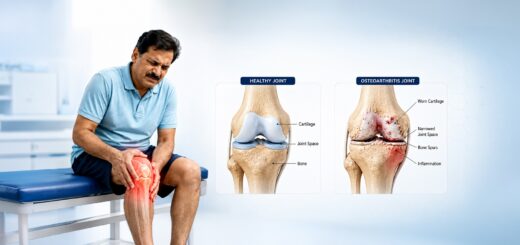
Cracking Sound in Knee: Why Your Knee Makes Noise and When to Worry
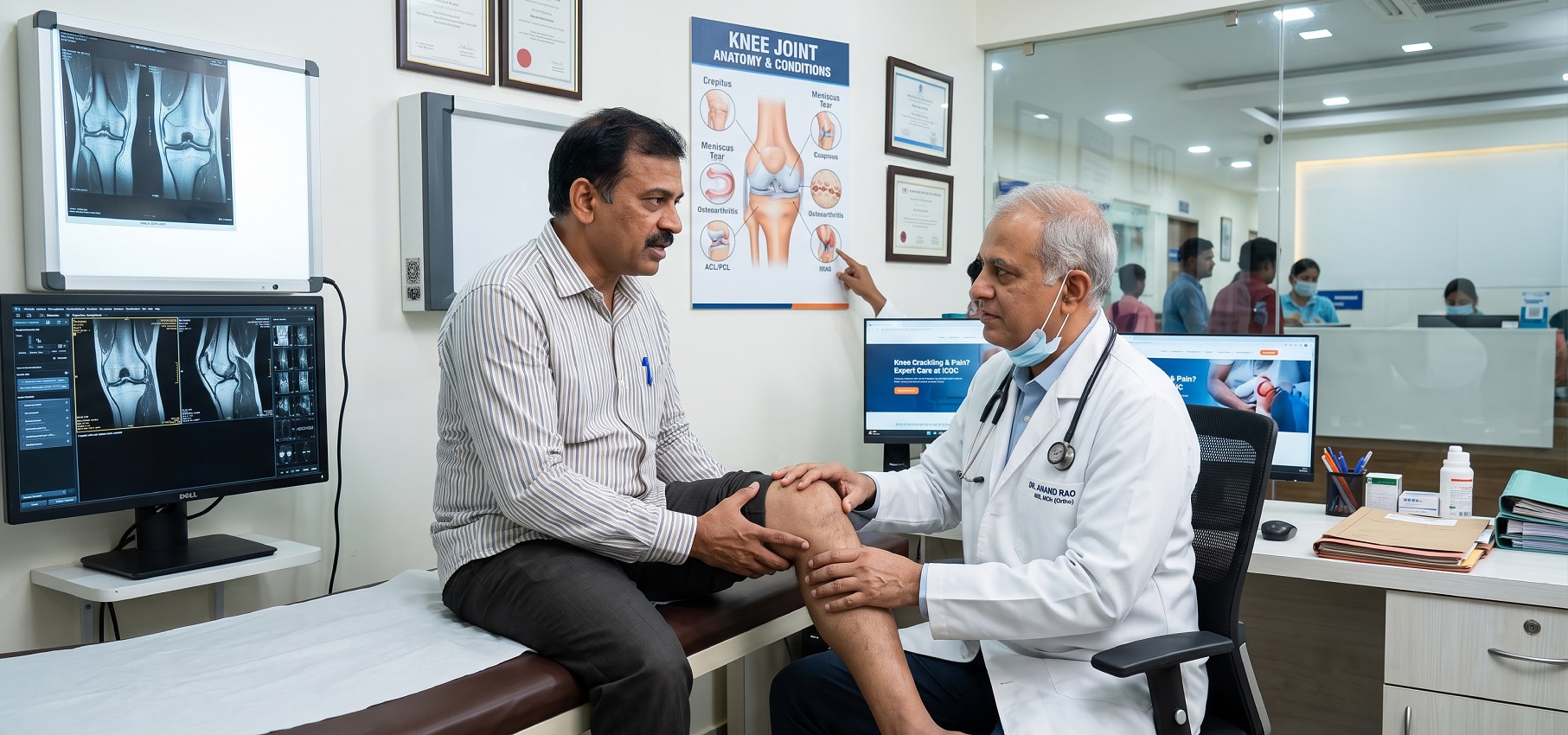
A cracking sound in the knee is often caused by air bubbles bursting inside the joint, movement of tendons, or natural joint motion. In many cases, knee sounds are harmless and do not require treatment. However, if the noise is accompanied by pain, swelling, stiffness, or instability, it may indicate an underlying knee condition.
If you’ve noticed knee crackling while walking, climbing stairs, or bending your knee, understanding the cause is important. In this article, you’ll learn why knees make noise, when it is normal, when it may signal a problem, and what treatment options are available.
What to Know About Knee Cracking and Crepitus
Knee cracking and crepitus are among the most common yet misunderstood musculoskeletal symptoms experienced across all age groups.
What Is Knee Crepitus?
Crepitus refers to audible popping, clicking, or grinding sensations originating from the knee joint during movement. It occurs when synovial fluid shifts, cartilage movement becomes irregular, or patellofemoral joint surfaces lose smooth articulation. Most cases involve painless knee clicking with normal biomechanical function, though persistent grinding warrants orthopaedic evaluation.
Is a Knee Joint Cracking Sound Normal or a Sign of a Problem?
Not every knee joint cracking sound signals a problem but knowing the difference protects long-term joint health.
| Features of Normal Knee Crepitus | Symptoms That Require Orthopaedic Assessment |
| No pain | Persistent pain |
| Occasional clicking | Frequent loud cracking |
| No swelling | Swelling around knee |
| Full movement | Limited movement |
| No instability | Knee giving way |
Normal Knee Sounds: When Cracking and Clicking Are Usually Harmless
Occasional painless clicking results from gas bubbles releasing within synovial fluid or tendons shifting across joint surfaces — both normal biomechanical occurrences requiring no intervention.
Warning Signs That a Knee Joint Cracking Sound May Indicate a Problem
Persistent Pain:
Cracking is accompanied by ongoing discomfort signals underlying joint inflammation.
Swelling:
Visible swelling around the knee indicates an active inflammatory response requiring evaluation.
Joint Stiffness:
Morning stiffness combined with cracking suggests early degenerative or inflammatory conditions across patients in Telangana and India.
Reduced Mobility:
Limited movement alongside cracking warrants immediate consultation with the Best Orthopaedic Doctor, as per Indian Medical Association guidelines.
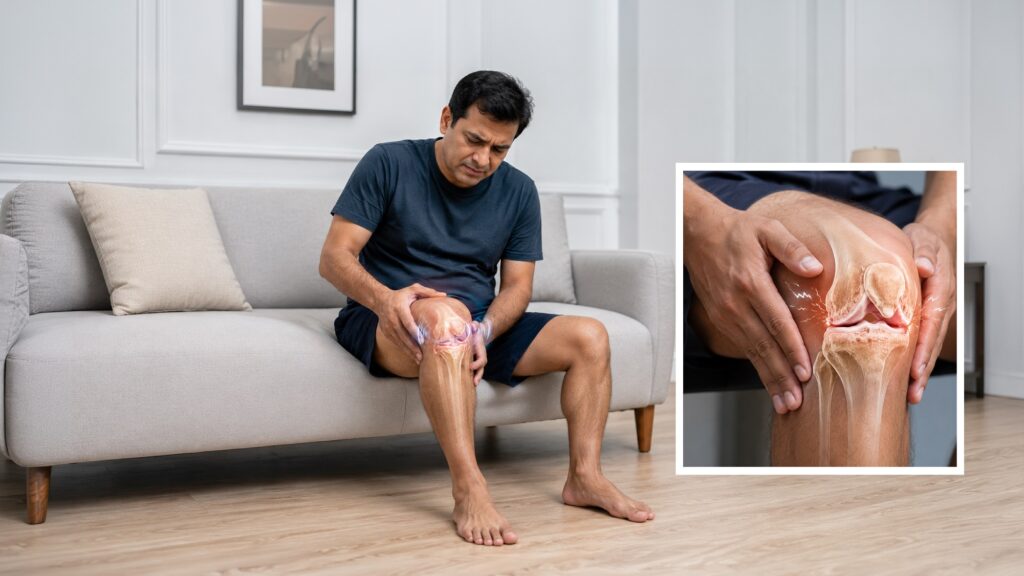
Why Does My Knee Make a Clicking or Cracking Sound When Bending?
A cracking sound from the knee when bending is frequently linked to cartilage wear, kneecap tracking issues, or joint friction during loaded movement.
Knee Sounds While Climbing Stairs
Stair climbing places significant pressure on the patellofemoral joint, causing audible clicks when kneecap movement deviates from its natural tracking path. Cartilage wear along the joint surface amplifies friction-related sounds during this motion. Patients in Hyderabad and Telangana experiencing stair-related knee noise should seek physiotherapy centre assessment early.
Knee Sounds During Exercise
Squatting, lunging, and sitting-to-standing movements generate joint friction that produces cracking sounds, particularly in athletes visiting sports medicine clinics. Patellar tracking irregularities and cartilage thinning are common exercise-related contributors. Active individuals experiencing persistent clicking alongside discomfort should explore Partial ACL Tear: Can You Avoid Surgery? for comprehensive joint health guidance.
Common Conditions That Cause Knee Crackling and Knee Sounds
Persistent knee crackling is rarely incidental — it frequently signals an underlying joint condition requiring clinical evaluation.
Arthritis-Related Knee Sounds
Osteoarthritis is the leading cause of knee crackling, resulting from progressive cartilage degeneration and joint wear. As articular cartilage thins, bone surfaces generate grinding sounds during movement. X-ray imaging and MRI scan results confirm cartilage loss and guide treatment planning. As per the National Health Portal India, osteoarthritis affects millions across India, making early physiotherapy intervention essential.
Sports Injuries and Noisy Knees
Meniscus tears, ligament injuries, and tendon inflammation are frequent contributors to movement-related knee sounds in active patients. A torn meniscus disrupts smooth joint articulation, producing clicking and locking sensations. Understanding Meniscus Tear Symptoms You Shouldn’t Ignore helps patients distinguish injury-related sounds from harmless clicking. Patellofemoral pain syndrome and cartilage damage further generate persistent knee noise requiring structured physiotherapy rehabilitation.
When Should You See an Orthopaedic Specialist for Noisy Knees?
A knee joint making clicking sound alongside pain, swelling, or instability requires prompt orthopaedic consultation not a wait-and-watch approach.
Red-flag symptoms including locking sensations, sudden joint weakness, and restricted mobility warrant immediate diagnostic imaging at an MRI centre. Early specialist care at an orthopaedic clinic in Hyderabad identifies underlying conditions before irreversible joint damage occurs. Timely joint assessment and sports injury evaluation significantly improve long-term knee health outcomes.
Real Data Point
According to the World Health Organization (WHO), the knee is the most commonly affected joint in osteoarthritis worldwide. The condition becomes increasingly common with age, with most cases occurring in adults over 55 years.
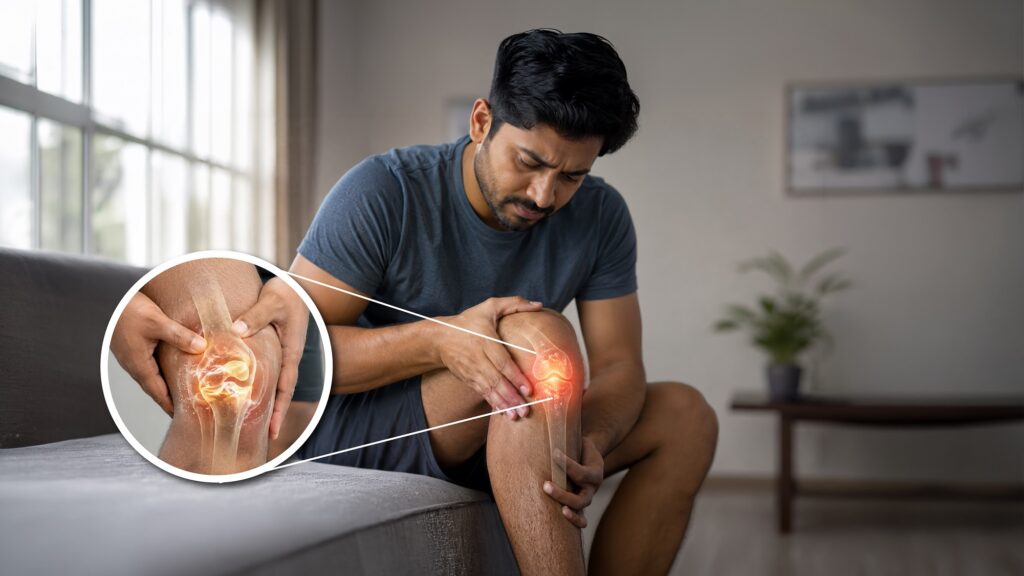
Knee Cracking Treatment Options and Costs in India
Addressing a persistent cracking noise in the knee requires a structured treatment approach tailored to the underlying condition.
Treatment Options
Physiotherapy clinics in Hyderabad design targeted knee rehabilitation programmes combining strengthening exercises and movement correction. Lifestyle modifications including weight management reduce joint load and minimise cartilage stress. Pain management medications and anti-inflammatory injections address acute symptoms effectively. For severe cartilage damage or ligament injuries unresponsive to conservative care, knee arthroscopy remains a precise surgical intervention.
| Treatment | Approximate Cost (₹) |
| Orthopaedic Consultation | ₹500–₹2,000 |
| X-ray | ₹500–₹1,500 |
| MRI Scan | ₹4,000–₹10,000 |
| Physiotherapy Session | ₹500–₹1,500 |
| Knee Arthroscopy | ₹60,000–₹1,50,000 |
Early physiotherapy intervention and diagnostic centre evaluation significantly reduce the need for surgical treatment across patients in Hyderabad and India.
Clinical Insight
According to the American Academy of Orthopaedic Surgeons, persistent knee pain, swelling, or mechanical symptoms such as locking or instability should be evaluated by an orthopaedic specialist. Many patients improve with a combination of accurate diagnosis, physiotherapy, activity modification, and appropriate medical treatment.
FAQ
Is a cracking sound in the knee normal?
Painless knee cracking caused by synovial fluid shifts or normal cartilage movement is typically harmless. Persistent crepitus accompanied by pain or reduced range of motion requires orthopaedic evaluation.
Why does my knee make a clicking sound when I bend it?
Knee clicking when bending usually results from tendon movement, patellar alignment shifts, or soft tissue interaction during biomechanical loading. Persistent snapping sensations with discomfort warrant clinical joint mechanics assessment.
Can knee crackling be a sign of arthritis?
Yes. Chronic knee crepitus alongside joint stiffness and cartilage wear may indicate osteoarthritis or degenerative joint disease. MRI imaging confirms structural deterioration and guides appropriate treatment planning.
Which doctor should I consult for knee joint cracking sound in Hyderabad?
Consult an orthopaedic specialist in Hyderabad for musculoskeletal examination, diagnostic imaging, and personalised rehabilitation therapy. Early clinical evaluation ensures accurate treatment planning and effective long-term joint health management.
CONCLUSION
A cracking sound in the knee is often harmless, but persistent knee sounds associated with pain, swelling, or instability should not be ignored. Early evaluation can identify the cause and help prevent long-term joint problems.
If you’re experiencing knee crackling, knee joint sounds, or discomfort while walking or bending, book a consultation with an experienced orthopaedic specialist for a comprehensive knee assessment and personalised treatment plan. For patients exploring non-surgical options, Knee Arthritis Treatment Without Surgery offers practical guidance on managing knee conditions effectively without surgical intervention.