Locked Knee: Causes, Symptoms, and Treatment
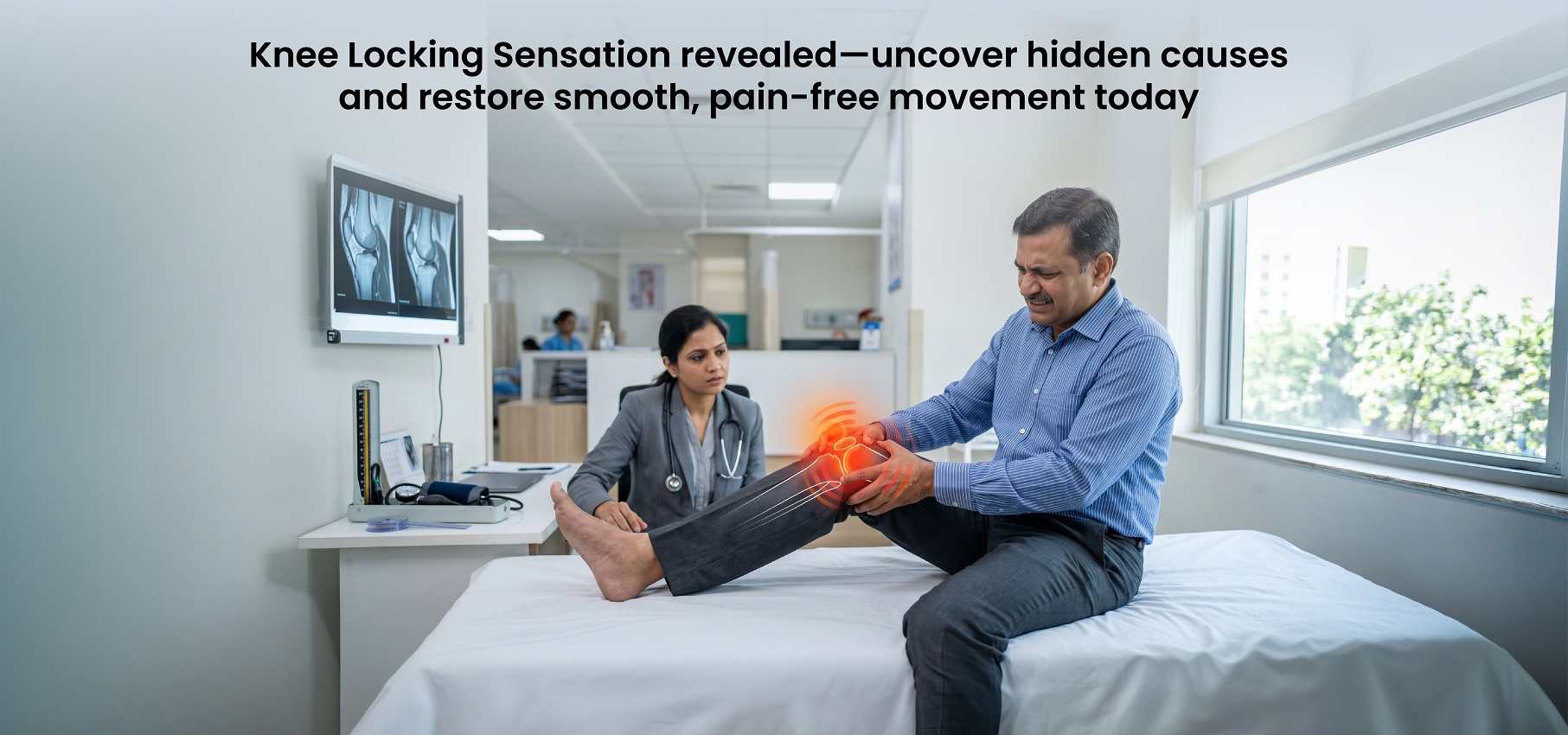
A knee locking sensation happens when your knee gets stuck or is unable to move properly, often due to a meniscus tear, loose cartilage, or joint issues. It may feel like your knee is catching or stuck during movement.
If your knee keeps locking or causes pain, it may indicate a serious underlying issue that requires evaluation by an orthopedic doctor. In this guide, you’ll learn causes, symptoms, treatment options, and when to consult a doctor in India.
What is Knee Locking Sensation?
The locked knee meaning refers to a condition where the knee gets stuck or cannot fully move, causing noticeable knee movement restriction. This joint locking sensation may be true locking, where movement is physically blocked, or pseudo locking, caused by pain or muscle spasm. Normally, smooth knee joint anatomy in India allows easy bending and straightening, but issues like injury or debris can disrupt it, leading to knee joint locking. Understanding why the knee is getting stuck helps in early diagnosis, as explained by the Indian Orthopaedic Association and AIIMS Delhi.
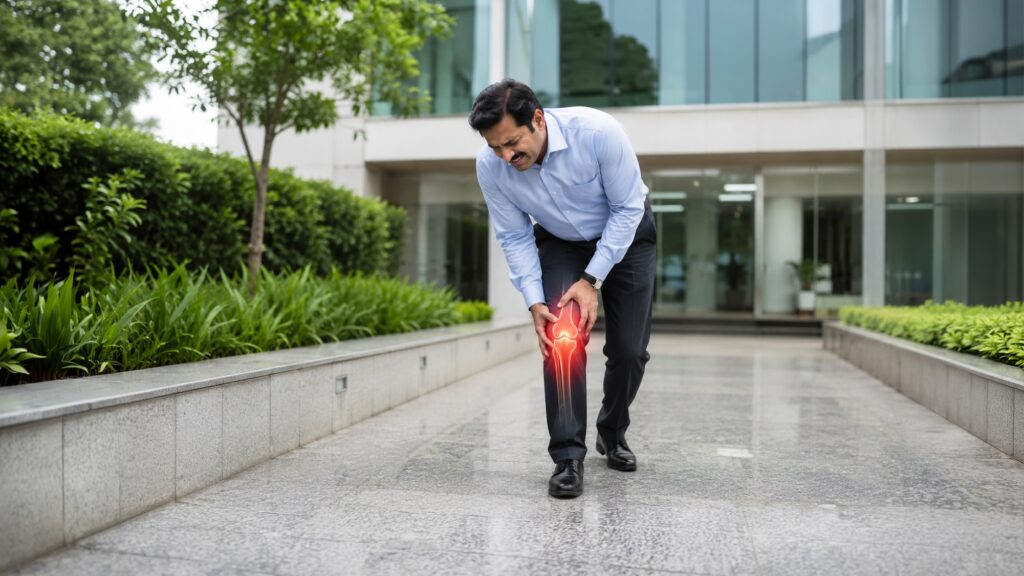
What Causes a Locked Knee Joint?
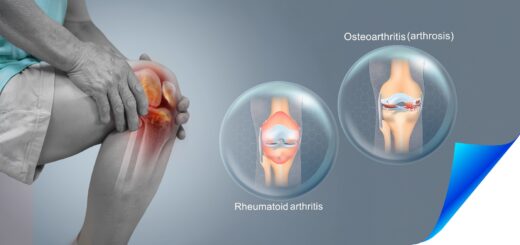
Common locked knee causes include Meniscus Tear symptoms, which are the most frequent reason, along with cartilage damage to the knee from loose fragments blocking movement. Other knee injury causes, such as ligament tear knee and general knee instability causes can also lead to locking. Degenerative conditions like arthritis further contribute to joint issues. As noted by the Sports Authority of India and the Indian Journal of Orthopaedics, early diagnosis is essential.
True Locked Knee vs Pseudo Locked Knee
A true locked knee occurs when physical obstruction prevents movement, while pseudo-locking is due to pain or muscle spasm restricting motion temporarily.
What Are the Symptoms of Knee Locking You Should Not Ignore?
Recognising early locked knee symptoms can prevent long-term mobility issues. Below are the warning signs that warrant prompt medical attention:
- Knee getting stuck mid-movement, especially while walking or climbing stairs
- Pain, swelling, or stiffness often linked to joint effusion or synovial inflammation
- Clicking or popping sounds a common indicator of articular cartilage damage or meniscus tear injury
- Difficulty fully straightening or bending, suggesting possible ligament instability within the joint
Real Data Point
Meniscus tears are a common cause of knee locking and mechanical symptoms in active adults. Arthroscopic repair has shown high success rates, with studies reporting outcomes ranging from approximately 71% to 96%, and pooled success rates around 83%, making early diagnosis and timely intervention critical for restoring joint function. These findings are supported by a systematic review and meta-analysis indexed in PubMed Central.
Patient Case Example
A 34-year-old recreational footballer presented with recurring knee pain and locking following a pivot injury. Post-arthroscopy, consistent physiotherapy restored the full range of motion within 14 weeks. Acting early meant surgery fixed what waiting would have worsened.
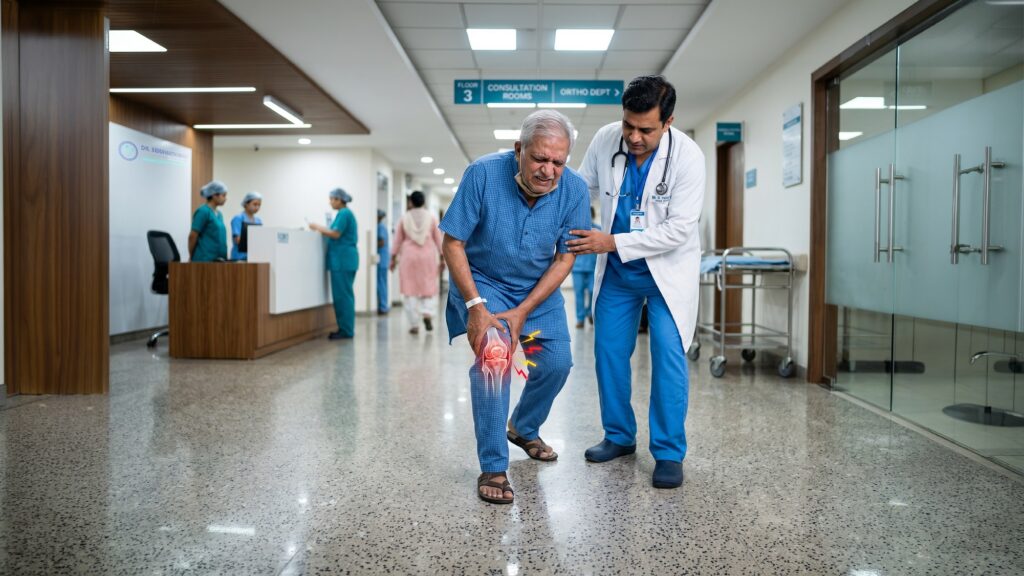
What to Do When Your Knee Locks? (Immediate Steps)
If you’re wondering what to do when your knee locks, act quickly to prevent further injury. Start with knee locking first aid by resting and avoiding any forceful movement. Apply ice for effective knee swelling treatment and basic knee pain relief at home. Keep the leg elevated to reduce discomfort. Proper joint injury care is essential, so avoid putting weight on the affected knee. Seek medical help if locking persists, pain increases, or movement is restricted. Ignoring symptoms may worsen damage, as highlighted by the WHO injury care guidelines and Indian healthcare services.
Knee Locking Treatment Options (Exercises vs Surgery)
Effective locked knee treatment depends on the severity and cause. Mild cases improve with physiotherapy knee, targeted knee locking exercises, and medication for pain relief. Structured rehab strengthens muscles and restores mobility. In more serious conditions like meniscus repair treatment, doctors may recommend arthroscopic knee surgery to remove or repair damaged tissue. Recovery varies but typically includes guided rehabilitation and gradual return to activity. Early intervention ensures better outcomes and prevents long-term joint damage.
Best Exercises for a Locked Knee
Gentle stretching and strengthening exercises improve flexibility and support recovery.Gentle stretching and strengthening exercises improve flexibility, reduce stiffness, and restore knee movement. They also help strengthen surrounding muscles, supporting recovery and preventing further joint issues.
When is Knee Locking Surgery Required?
Surgery is needed when mechanical blockage, severe pain, or persistent locking does not improve with therapy.Surgery is required when persistent knee locking, severe pain, or a mechanical blockage does not improve with medication and physiotherapy, affecting daily activities and normal movement.
Cost of Knee Locking Treatment in India
The knee locking treatment cost in India varies based on diagnosis and severity. Initial orthopedic consultation fees range from ₹500–₹2000. Imaging tests like X-ray or MRI add to overall knee treatment cost in India. For severe cases, knee surgery charges such as meniscus surgery cost India can range between ₹80,000–₹2.5 lakh. Costs depend on the hospital, city, and procedure type. Many insurance plans cover treatment, helping reduce out-of-pocket expenses significantly.
Knee Locking vs Knee Pain: What’s the Difference?
Understanding the difference between a knee lock problem and general pain helps in timely care. Here’s a simple knee pain vs locking and joint pain comparison:
| Aspect | Knee Locking | Knee Pain |
| Symptoms | Knee gets stuck, limited movement, mobility issues knee | Continuous or occasional pain without locking |
| Causes | Injury, meniscus tear, loose fragments | Overuse, strain, inflammation |
| Severity | May indicate a serious blockage | Often mild to moderate |
| When to worry | If the knee cannot move or straighten | If pain persists or worsens |
| Doctor visit | Immediate if repeated locking occurs | If pain lasts for a long or affects daily life |
This knee injury symptom difference is important for early diagnosis. Refer trusted sources like Practo India and the Indian Orthopaedic Association.
FAQ
What does knee locking sensation mean?
Knee locking sensation means your knee gets stuck or cannot move properly for a moment. It may feel like something is blocking the joint. This can happen due to a meniscus tear, cartilage damage, or swelling inside the knee.
What causes a locked knee joint in India?
Common causes include meniscus tears, ligament injuries, loose cartilage, and arthritis. Sports injuries, sudden twisting movements, or accidents are frequent reasons for knee locking in active individuals.
What should I do when my knee gets locked suddenly?
You should stop moving immediately, rest your knee, and apply ice to reduce swelling. Avoid forcing movement. If the locking happens repeatedly or causes pain, consult an orthopedic doctor for proper diagnosis.
What is the cost of knee locking treatment in India?
The cost depends on the severity. Consultation may cost ₹500–₹2000, while MRI scans can cost ₹3000–₹8000. Surgery, if needed, can range from ₹80,000 to ₹2.5 lakh, depending on the hospital.
When should I see a doctor for knee locking in India?
You should see a doctor if your knee locks repeatedly, causes pain, swelling, or affects walking. Immediate consultation is needed if you cannot straighten your knee or if the locking happens after an injury.
CONCLUSION
Knee locking sensation is not something to ignore, as it may indicate a serious issue like a meniscus tear or joint damage. Early diagnosis can prevent long-term complications and improve recovery.
If you are experiencing knee locking or pain, book a consultation with Dr. Siddharth Reddy, an orthopedic sports doctor, for an accurate diagnosis and personalised treatment.
About the Medical Reviewer
Medically Reviewed by Dr. Siddharth Reddy.
Consultant Orthopedic Surgeon with 10+ years of experience in joint replacement, arthroscopy, and sports injury treatment. Known for evidence-based care and patient-focused recovery.
Learn more about the doctor: Dr Siddharth Reddy