Knee Arthroscopy – Procedure, Cost, Risks and Recovery
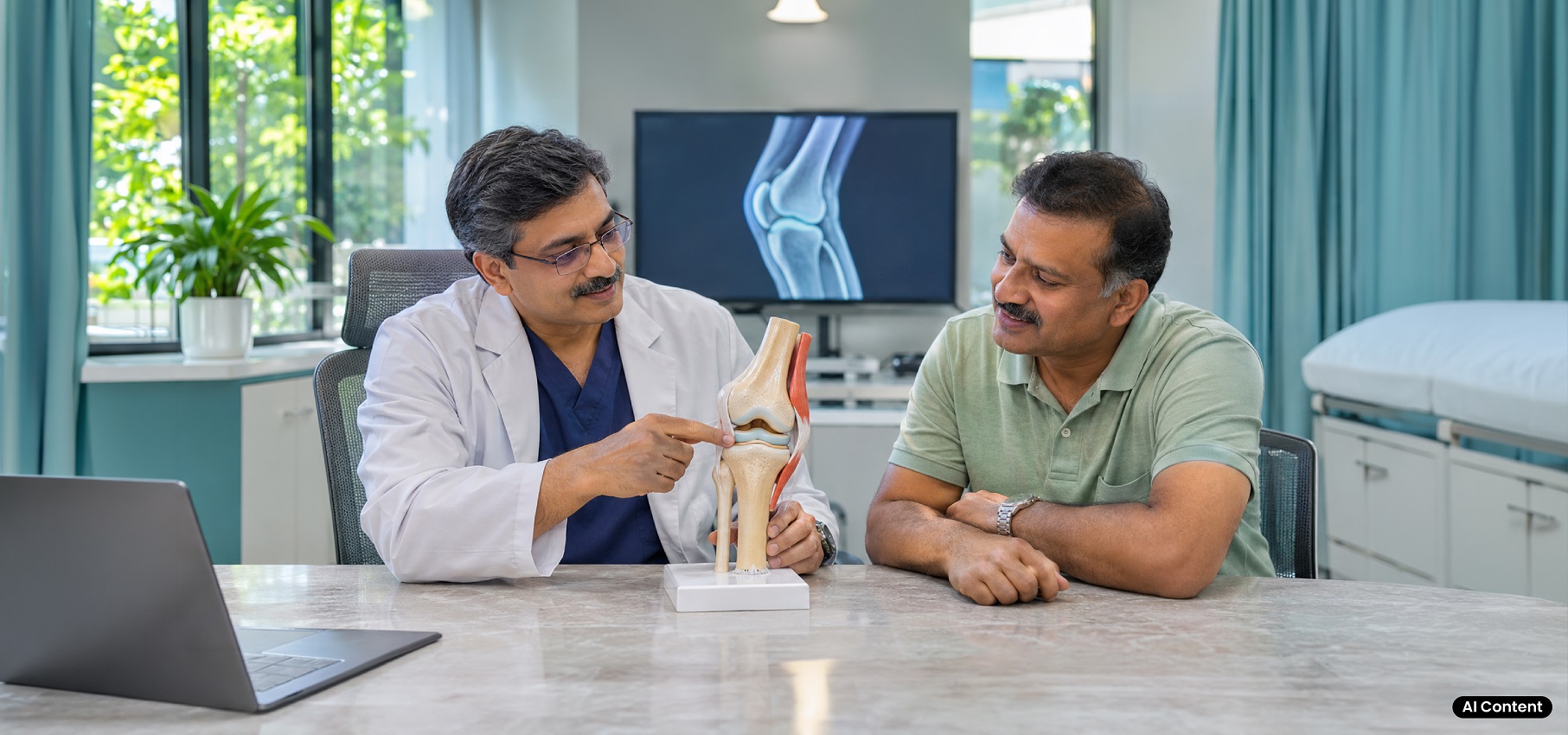
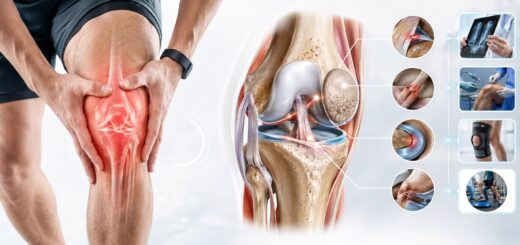
Knee arthroscopy is a minimally invasive surgical procedure that uses a small camera and specialised instruments to examine and, when appropriate, treat problems inside the knee joint. Suitability, anaesthesia and recovery depend on the specific condition and treatment.
In this guide, we’ll walk you through the procedure, what it costs in India, the risks involved, and how long recovery really takes
Case example
A 34-year-old runner with a meniscus tear underwent arthroscopic treatment and followed a supervised rehabilitation programme, gradually returning to running after medical clearance.
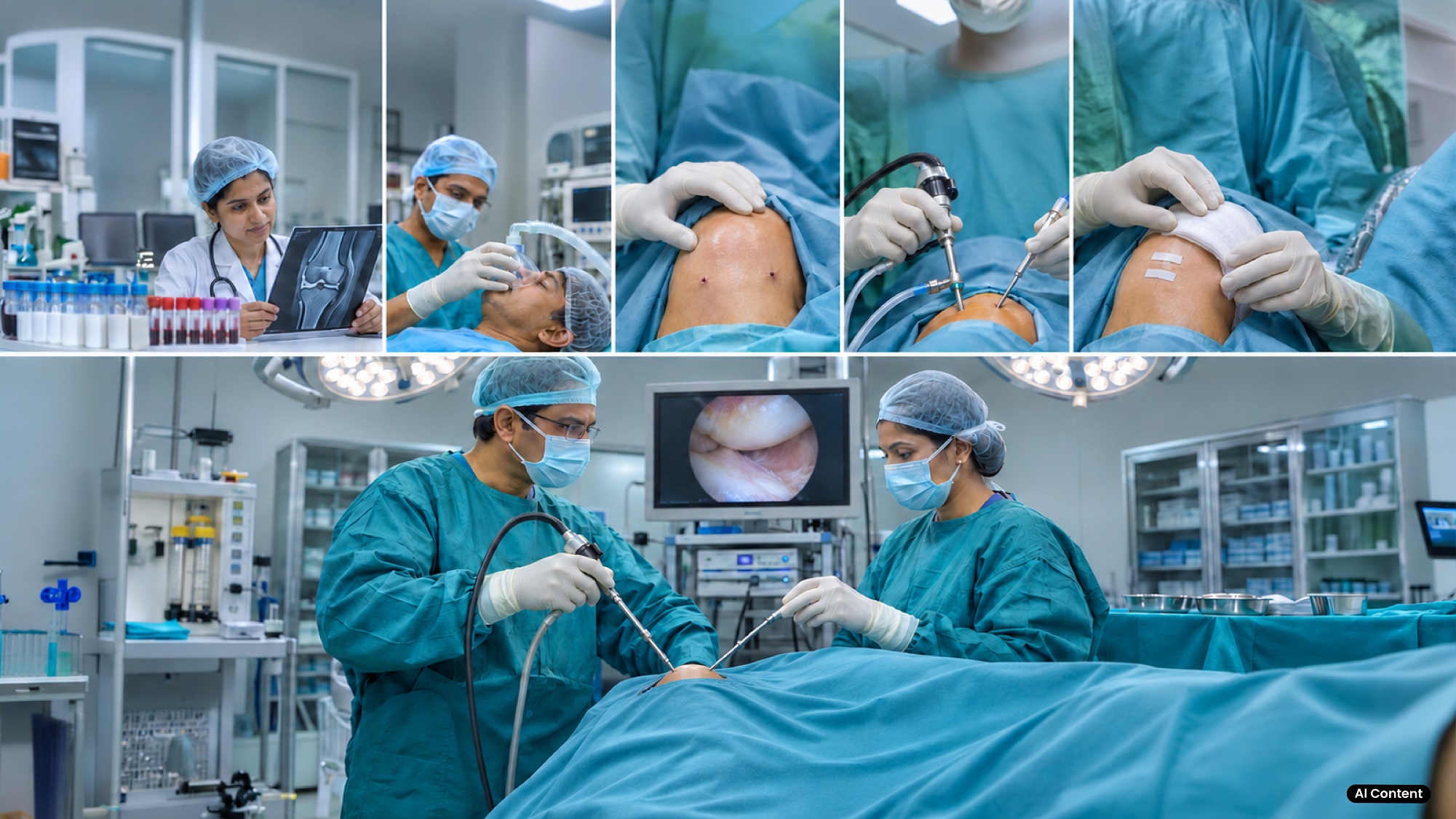
Knee arthroscopy surgical procedure
How Is Knee Arthroscopy Performed? (Step-by-Step)
It is usually day-care surgery, ideally in an NABH-accredited hospital.
- Preparation: Scans and blood tests are reviewed, and you fast for several hours.
- Anaesthesia: You feel no pain during the procedure.
- Keyhole incisions: Two or three small cuts, each usually under a centimetre.
- Camera and instruments: A thin arthroscope enters the joint while sterile fluid expands it. Slim instruments then treat a meniscus tear by trimming or repairing it, remove loose fragments, smooth damaged cartilage or help carry out ACL reconstruction surgery.
- Closing up: Small stitches or strips and a dressing.
Knee Arthroscopy Recovery Time — Week by Week
Recovery varies with the procedure and your overall health, but most people follow a similar pattern. Here is a simple week-by-week recovery guide.
| Timeline | What to expect |
| Week 1–2 | Rest, elevate your leg and follow the RICE protocol for swelling management; start gentle movements. |
| Week 3–6 | Start post-surgery physiotherapy with a physiotherapist; rehabilitation exercises rebuild strength. |
| Week 6–12 | Follow your return to work timeline and gradually resume sport, as advised. |
When can I walk normally after knee arthroscopy?
Spinal (regional), general, or local anaesthesia with sedation may be used for knee arthroscopy. Your surgeon and anaesthetist choose the safest option for your health and procedure, so discuss any concerns with them well beforehand.
What Are the Risks and Complications of Knee Arthroscopy?
Knee arthroscopy is generally safe, and serious problems are uncommon. Post-surgical infection is rare and treatable with antibiotics. Joint stiffness can occur but usually improves with physiotherapy. The blood clot risk (deep vein thrombosis) is low, and pulmonary embolism is reported in only about 0.028% of routine knee arthroscopies. Walking early and following your surgeon’s advice helps.
Call your doctor for fever, spreading redness or discharge, calf pain or swelling, or severe pain. Breathlessness or chest pain needs emergency care.
Knee Arthroscopy vs Open Knee Surgery: What Is the Difference?
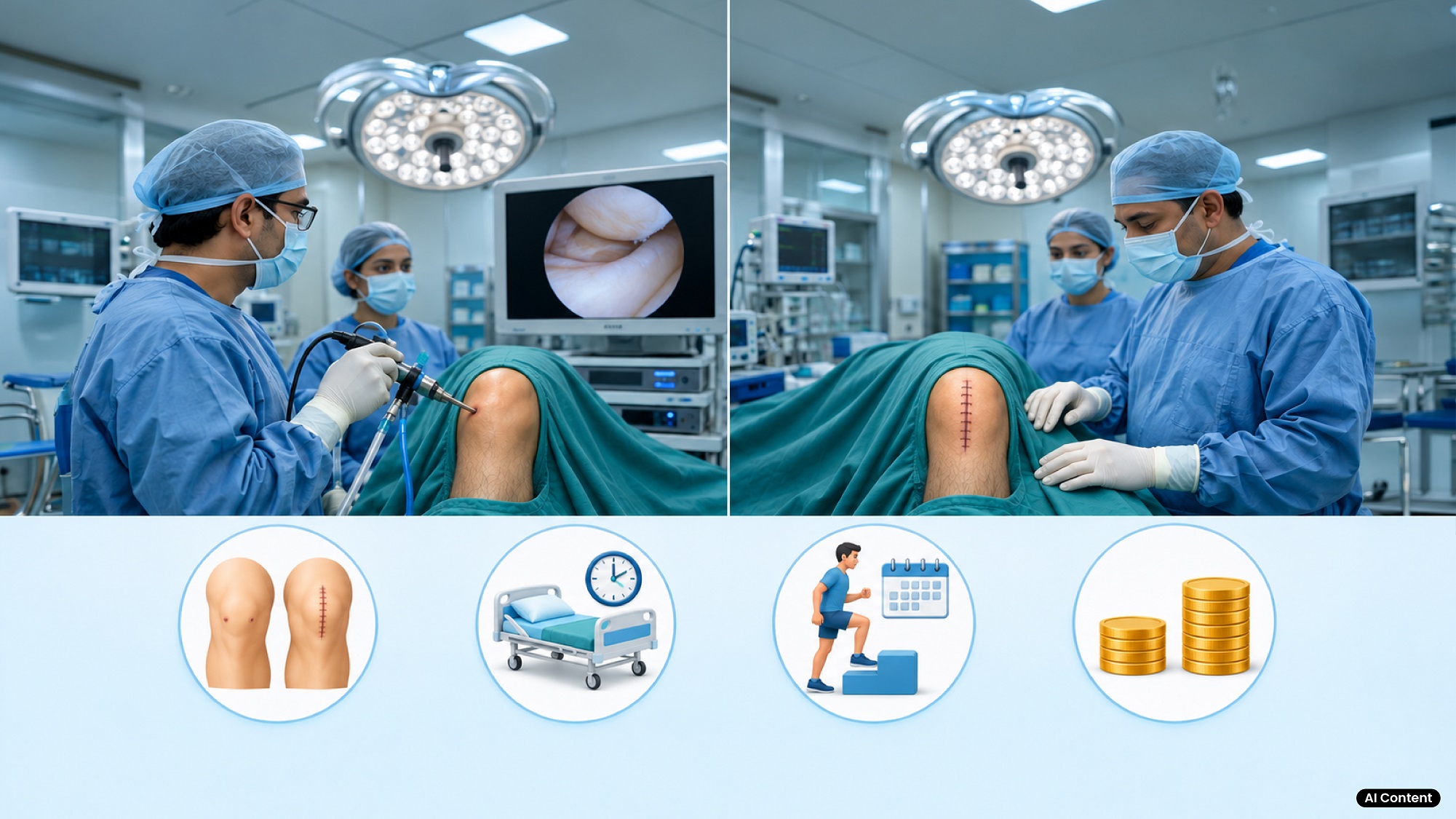
Here is how knee arthroscopy compares with open knee surgery, showing minimally invasive vs traditional surgery side by side.
| Feature | Knee arthroscopy | Open knee surgery |
| Incision size and scar size | Two or three small keyhole cuts, with minimal scarring | One larger incision, with a more visible scar |
| Hospital stay duration | Same day or overnight | Often several days |
| Recovery time | Generally weeks | Often several months |
| Cost difference | Often lower overall, due to the shorter stay | Often higher, depending on the surgery |
Open knee surgery is still needed for some problems, such as complex fractures or knee replacement.
Data point
A prospective Indian study of 35 patients undergoing arthroscopic meniscus repair reported clinical improvement in 29 patients (96.6%). The study also found significant improvements in knee function scores at three-year follow-up
Knee arthroscopy recovery exercises
What Does Knee Arthroscopy Cost in India?
Knee surgery costs in India vary depending on the type of procedure, hospital, city and surgeon’s fees. The cost of knee arthroscopy in metropolitan cities such as Mumbai, Pune and Bengaluru may differ depending on the cities. Other factors, including diagnostic tests, anaesthesia, hospital stay and post-operative care, can also influence the overall cost.
Hospital charges depend on:
- the procedure (diagnostic or repair)
- implants and consumables
- room type and length of stay
- surgeon and physiotherapy fees
Does health insurance cover knee arthroscopy in India?
Often, yes. Most insurers cover arthroscopy as a medically necessary procedure, subject to policy terms. Cashless health insurance is usually available at a cashless insurance network hospital. Check waiting periods, sum insured and pre-authorisation. If you plan to use Ayushman Bharat, ask the hospital whether this procedure is included
Conclusion
Knee arthroscopy is a safe, minimally invasive way to diagnose and treat many common knee problems, with most patients back on their feet within weeks. If persistent knee pain is affecting your daily life, don't wait it out — book a consultation with our orthopaedic specialist today to find out if arthroscopy is right for you.
FAQ
Q: Why would I need a knee arthroscopy?
Knee arthroscopy indications include a meniscus tear, ligament injury, cartilage damage, loose bodies or synovitis. This minimally invasive procedure allows joint inspection and knee injury treatment using arthroscopic instruments.
Q: Can I walk immediately after arthroscopic knee surgery?
Most people can walk soon after knee arthroscopy, often with crutches for mobility assistance. Weight-bearing depends on the procedure, and physiotherapy restores range of motion while controlling knee swelling.
Q: How long does it take to recover from knee arthroscopy?
Most patients can walk with support within a few days and return to daily activities in 2–6 weeks. Full recovery, including sports or heavy activity, usually takes 3 months, depending on the extent of the surgery and how well you follow physiotherapy advice.
Q: Is knee arthroscopy a major surgery?
No, knee arthroscopy is considered minor compared to open knee surgery. It’s minimally invasive, usually done as day-care surgery, and most patients go home the same day. However, it’s still a surgical procedure and needs proper aftercare to heal well.
Q: Which doctor should I consult for a knee arthroscopy near me?
Consult an orthopaedic surgeon who is a knee arthroscopy specialist, ideally with sports medicine experience. Your surgical consultation will include diagnostic imaging, such as MRI, and rehabilitation planning.