ACL Reconstruction Surgery Explained
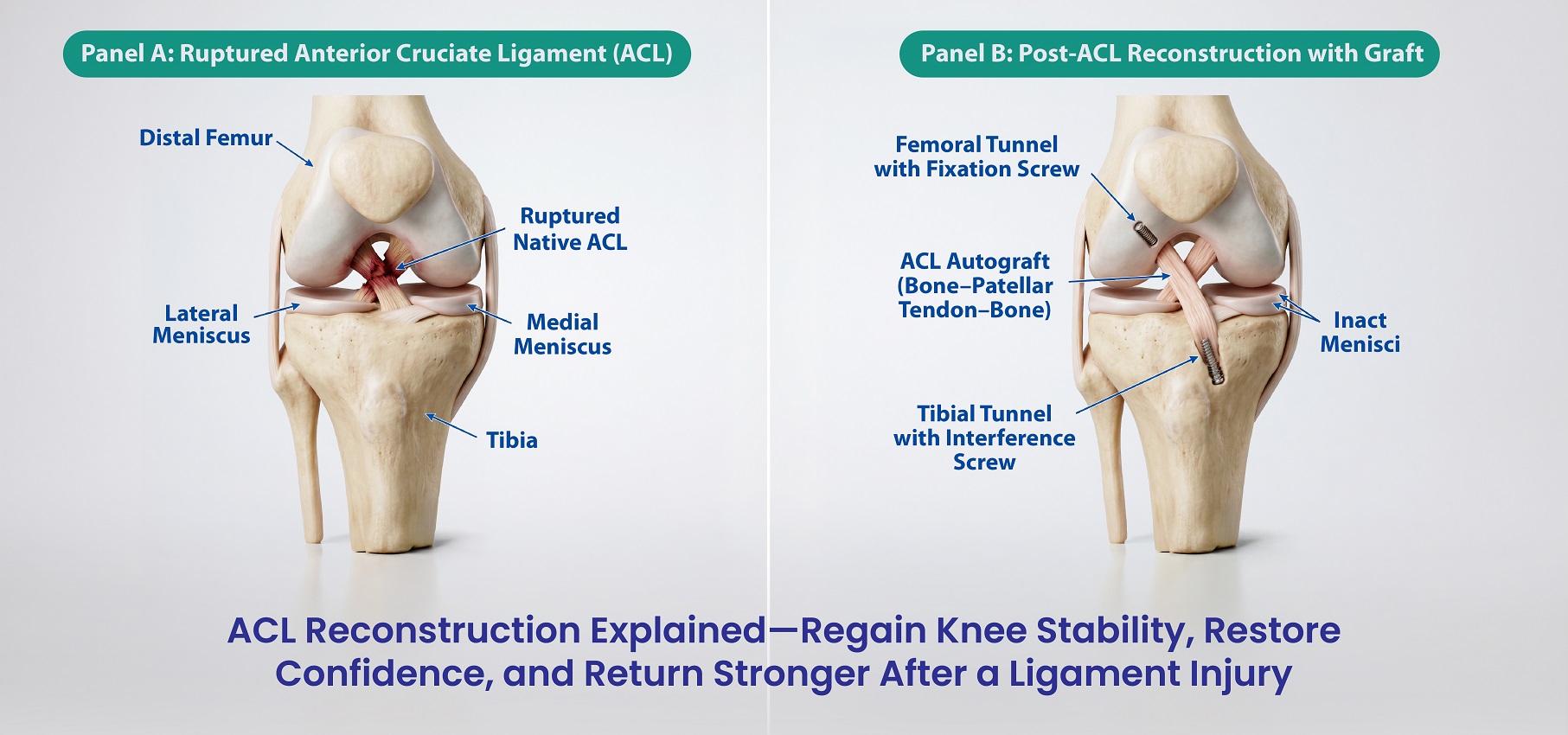
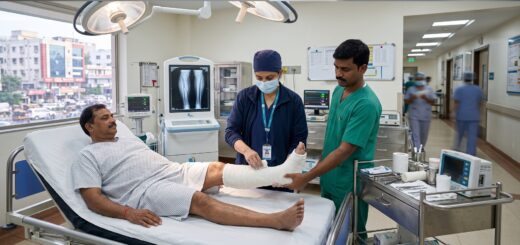
ACL reconstruction surgery is a procedure used to replace a torn anterior cruciate ligament (ACL) in the knee using a graft. It is recommended when the knee becomes unstable and affects daily activities or sports, especially in cases of complete tears, while a Partial ACL Tear may sometimes be managed with physiotherapy, depending on severity.
If you’ve suffered a ligament injury or your knee feels unstable, this guide will help you understand the surgery, recovery timeline, rehab process, and cost in India so you can make the right treatment decision.
What is ACL Reconstruction Surgery and Why is it Needed?
The ACL is one of four key ligaments holding the knee together, and when it tears completely, the joint loses the stability needed for basic movement, let alone sport. Unlike muscles, a fully torn ACL cannot heal on its own, which is why reconstruction becomes necessary. The procedure replaces the damaged ligament with a graft, typically taken from the patient’s own hamstring or patellar tendon, restoring mechanical stability to the knee. Institutions like the Indian Orthopaedic Association, AIIMS Delhi, and the Sports Authority of India emphasise that delayed treatment increases the risk of secondary damage to the meniscus and cartilage, making timely intervention critical.
How is ACL Reconstruction Surgery Done? (Step-by-Step Procedure)
Understanding ACL reconstruction surgery steps can make the process feel less overwhelming. It’s a minimally invasive surgical knee procedure, usually performed using arthroscopic knee surgery techniques. Here’s a simple, step-by-step breakdown:
Step 1: Choosing the Graft:
The surgeon selects a tissue graft to replace the torn ligament. This may come from your own body (hamstring or patellar tendon) or a donor. This graft acts as the new ACL.
Step 2: Preparing the Knee
Small incisions are made, and a tiny camera (arthroscope) is inserted to view the joint clearly. This is part of the ACL surgery technique used in modern procedures.
Step 3: Removing the Damaged Ligament
The torn ACL is carefully removed to make space for the new graft during the ligament reconstruction procedure.
Step 4: Creating Bone Tunnels
The surgeon drills small tunnels in the thigh and shin bones to position the new ligament correctly.
Step 5: Placing and Fixing the Graft
The graft is inserted into the tunnels and secured with screws or implants to ensure stability.
Step 6: Closing the Incisions
The small cuts are closed, completing the procedure. The entire surgery typically takes about 1 to 2 hours, depending on the complexity.
Types of ACL Reconstruction Techniques
Hamstring Tendon Graft: Uses tendons from the patient’s hamstring; flexible and commonly preferred.
Patellar Tendon Graft: Taken from the kneecap area; offers strong fixation and stability.
Allograft (Donor Tissue): Uses donor tissue; suitable for select cases and reduces surgical harvesting time.
Fixation Methods: Screws or implants are used to secure the graft firmly in place.
Arthroscopic Technique: A minimally invasive method that ensures precise placement, faster recovery, and fewer complications.
What is the Recovery Time After ACL Reconstruction Surgery?
The ACL reconstruction recovery time varies, but a typical timeline spans 6–9 months. In the first 0–2 weeks, the focus is on pain management and restoring mobility. By 6 weeks, walking improves and driving may resume. Around 3 months, strength training becomes more intensive. Proper physiotherapy is essential for optimal knee rehabilitation and ligament healing. Factors such as age, fitness level, and adherence to rehab significantly influence post-surgery knee recovery, as highlighted in the Indian Journal of Orthopaedics and clinical practices across India.
Patient Case Example
An athlete recovering from an ACL injury was able to safely return to sports within 6–9 months after following a structured rehabilitation program focused on strength, mobility, and gradual load progression.
ACL Reconstruction Rehab Protocol & Exercises
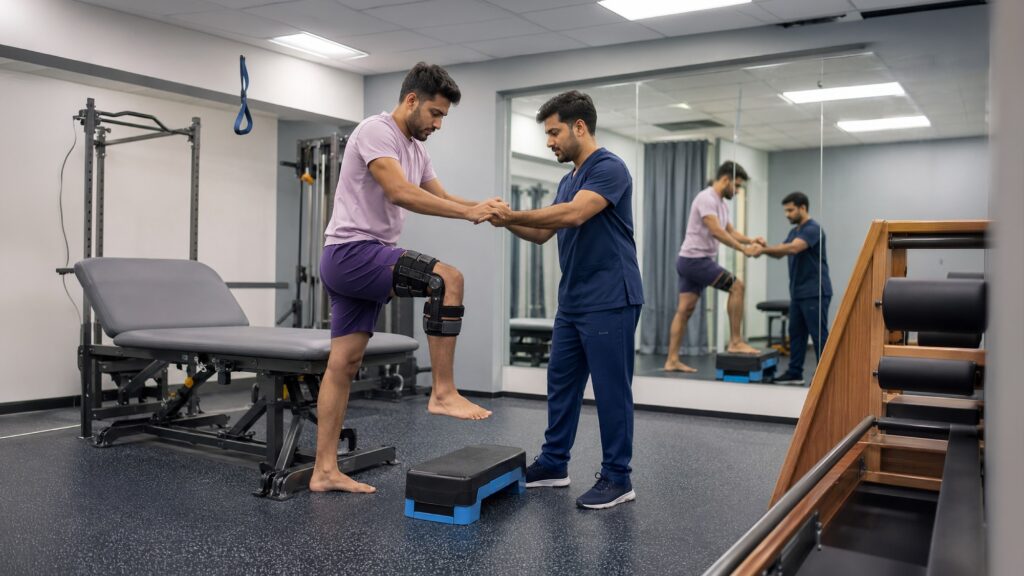
A structured ACL reconstruction rehab protocol is essential for safe healing and regaining strength. Early stages focus on gentle mobility exercises for the knee and reducing swelling, while later phases include knee strengthening exercises and balance training. Guided physiotherapy after ACL surgery ensures proper progress, as recommended by the Indian Association of Physiotherapists and the World Health Organization. With structured rehabilitation and consistent medical compliance, most athletes resume competitive activity within a 6–9 month window.
Best Exercises After ACL Surgery
Start with ankle pumps, heel slides, and straight leg raises. Gradually include squats and step-ups. Recovery starts with ankle pumps and heel slides to restore mobility, progressing to straight leg raises as strength improves. Once cleared by a physiotherapist, partial squats and step-ups are introduced to rebuild functional strength and prepare the knee for a safe return to sport.
Mistakes That Delay Recovery
Skipping rehab or pushing yourself too hard can actually set you back instead of helping you heal faster. Also, don’t ignore pain or use the wrong technique. Your knee needs proper care and guidance to recover safely.
ACL Reconstruction Surgery Cost in India
The ACL reconstruction surgery cost in India typically ranges from ₹1.5 lakh to ₹4 lakh. The ACL surgery price in India varies based on hospital type, city, and surgeon expertise. Metro cities often have higher hospital charges for knee surgery compared to tier-2 cities. Insurance and government schemes may reduce the knee ligament surgery cost, making treatment more affordable. Overall, the orthopaedic surgery cost depends on facilities, implants, and post-surgery care.

Is ACL Reconstruction Major Surgery? Risks, Side Effects & Success Rate
Many patients ask, is ACL reconstruction major surgery. It is technically major but performed using minimally invasive arthroscopy, reducing recovery time. The knee surgery success rate is high, with good long-term stability. However, ACL surgery risks include infection, stiffness, and graft failure, along with possible ligament surgery complications. Mild post-surgery pain in the ACL is common initially. With proper rehabilitation, most patients regain full function. Guidance from the Indian Orthopaedic Association and Mayo Clinic supports its safety and effectiveness.
ACL Reconstruction vs Physiotherapy: Which is Better?
Choosing between physiotherapy and the ACL reconstruction procedure depends on injury severity and lifestyle needs. Mild cases can improve with ACL non-surgical treatment, while severe tears with knee instability treatment often need surgery. According to insights from Practo India and Sports Medicine India, treatment should always be personalised.
Check the table below for a quick comparison:
| Factor | Physiotherapy | ACL Reconstruction |
| Best for | Partial tears | Complete tears |
| Approach | Rehab exercises | Surgical repair |
| Recovery | Gradual | Structured rehab |
| Pros | Non-invasive | Long-term stability |
| Cons | May not fix instability | Surgery risks |
Always consult an orthopaedic doctor to decide the best approach.
Real Data
Clinical studies show that ACL reconstruction has a success rate of 85–95%, making it a reliable option for restoring knee stability and function. For example, a long-term clinical study indexed in PubMed reported functional outcomes of up to ~90% following ACL reconstruction over a 5–9 year follow-up period.
FAQ
What is ACL reconstruction surgery in simple terms?
ACL reconstruction surgery replaces a torn ligament in the knee with a graft taken from your body or a donor. It helps restore stability so you can walk, run, and perform daily activities without the knee giving way.
How long does recovery take after ACL reconstruction surgery in India?
Recovery usually takes 4 to 6 months for daily activities and up to 9 months for sports. The timeline depends on your physiotherapy, overall health, and how well you follow the rehabilitation program.
What is the cost of ACL reconstruction surgery in India?
ACL surgery in India typically costs between ₹1.5 lakh and ₹4 lakh. The cost varies based on the hospital, surgeon’s experience, city, and whether advanced arthroscopic techniques are used.
Is ACL reconstruction surgery very painful after the operation?
Some pain and swelling are normal after surgery, especially in the first few weeks. However, pain is managed with medication and gradually reduces as healing progresses and physiotherapy begins.
Which is the best doctor for ACL reconstruction surgery in India?
The best doctor is an experienced orthopaedic surgeon specialising in sports injuries. You can find qualified specialists in cities like Mumbai, Hyderabad, Pune, and Delhi with strong patient reviews and hospital affiliations.
CONCLUSION
ACL reconstruction surgery is a reliable solution for restoring knee stability after a ligament tear. With proper treatment and rehabilitation, most patients return to normal activities and sports.
If you are experiencing knee instability or pain, book a consultation with orthopaedic surgeon Dr Siddharth Reddy for expert diagnosis and personalised treatment.
About the Medical Reviewer
Medically Reviewed by Dr Siddharth Reddy.
Consultant Orthopedic Surgeon with 10+ years of experience in joint replacement, arthroscopy, and sports injury treatment. Known for evidence-based care and patient-focused recovery.
Learn more about the doctor: Dr Siddharth Reddy