Meniscus Tear Symptoms You Shouldn’t Ignore

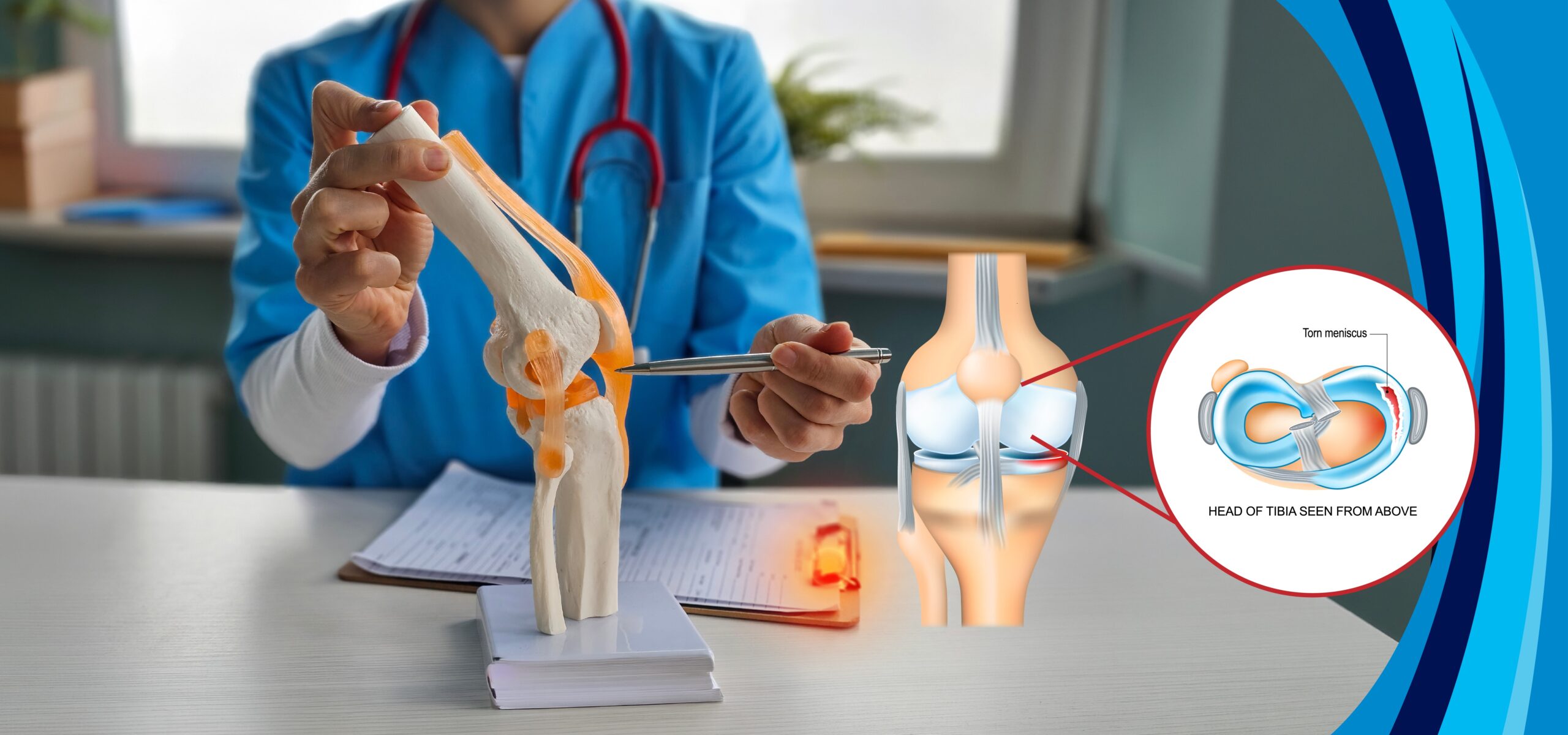
A torn meniscus is one of the quite common knee injuries and you cannot ignore it. It can result from any activity that causes you to twist or rotate your knee harshly, especially while you are bearing all of your weight on it. The first sign is usually swelling after a knee injury; the knee puffs up within hours, feeling heavy and tight. Then comes the discomfort deep inside the joint, a clear sign of knee cartilage damage quietly affecting how the knee carries load.
What makes a structural joint injury obvious is the feeling of knee locking and catching as if something is stuck inside the joint, blocking smooth movement. That uncomfortable sensation happens because the knee’s normal load distribution dysfunctions, so the joint can’t handle movement the way it should.
Over time, joint stability impairment makes the knee feel unreliable, while mechanical knee symptoms like clicking, stiffness, and giving way become part of daily life.
If your knee has been showing these knee cartilage injury signs don’t wait for the pain to worsenThe sooner you get it checked, the better your recovery will be.
Meniscus Tear Meaning and How It Affects the Knee
A meniscus tear is a common knee cartilage injury that happens to the C-shaped discs in your knee joint. To understand what is a meniscus tear, you need to know the role of meniscus in knee health. It acts as a cushion, providing knee joint cushioning function between your thighbone and shinbone. This cartilage support structure is essential for your shock absorption mechanism, helping your knee handle impact from walking or running. It also maintains your joint load distribution system so weight spreads evenly. When you have an impact of a cartilage injury to the knee, this system fails. You lose proper knee stabilization function, and your biomechanical joint integrity is compromised, making the knee feel unstable and painful.
Common Signs of a Knee Meniscus Injury
Common signs of a knee meniscus injury usually show up soon after the incident. You may notice knee swelling after injury due to the body’s inflammatory joint response and localized joint swelling. Many people feel pain when bending their knees or experience knee stiffness symptoms because of restricted joint mobility. There may also be difficulty straightening the knee fully, Sometimes, this happens because of a mechanical movement obstruction, which means a small piece of the torn meniscus is getting in the way inside the joint. A clicking sound knee during movement is another common soft tissue injury response sign you shouldn’t ignore.
Types of Meniscus Tear and Their Severity
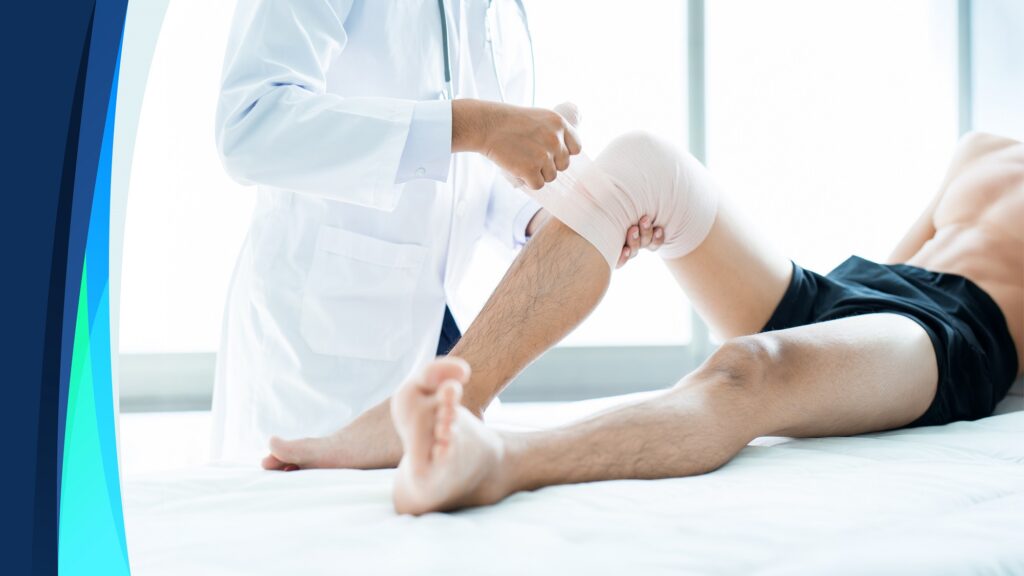
Meniscus tears are common knee injuries that vary in type and severity, each affecting knee function differently. A minor vs severe meniscus tear can feel surprisingly similar at first, but the tear severity classification tells a very different story beneath the surface. A small acute knee cartilage injury from a sudden twist involves a specific tear pattern variation like a horizontal or radial split where structural cartilage disruption is limited but still needs attention.
The main types of meniscus tears include:
- Vertical (Longitudinal) Tear: This tear runs along the length of the meniscus and is more common in younger people. If it is in an area with good blood supply, it may heal on its own.
- Bucket Handle Tear: This is a vertical tear where a part of the meniscus moves out of place, like a bucket handle. It often causes the knee to lock and usually needs surgery.
- Radial Tear: These tears run perpendicular from the inner edge toward the outer edge of the meniscus, they often require surgery due to poor healing capacity.
- Horizontal Tear: This type splits the meniscus horizontally into upper and lower sections and is frequently seen in degenerative menisci in older adults; treatment may vary depending on symptoms.
- Complex Tear: Complex tears involve multiple tear patterns and usually result from a strong injury or long-term wear and tear. Because the damage is more serious, surgery or partial removal of the torn part may be needed.
Left unaddressed, any tear big or small leads to joint function compromise that makes everyday movement increasingly uncomfortable. Knowing your tear type is the first step to understanding what your knee truly needs.
Torn Meniscus Symptoms You Shouldn’t Ignore
A torn meniscus is a common knee injury that can significantly impact your mobility and quality of life, and recognizing the symptoms early is crucial for effective treatment.
A knee instability feeling or a locking knee warning sign can point to deeper trouble. Many chronic knee discomfort causes are linked to untreated meniscus tear risks, which may lead to progressive joint damage risk. Key signs include:
- Persistent pain along the knee joint, especially when twisting or rotating the knee.
- Swelling and stiffness develop within the first 24 to 48 hours after injury.
- A popping sensation at the time of injury, followed by difficulty bending or straightening the knee fully.
- A feeling of the knee “locking” or catching during movement.
- Weakness or instability, making it feel like the knee might give way.
Over time, the chronic inflammation process can trigger mechanical joint dysfunction, causing mobility limitation development and even structural knee deterioration if ignored.
Recognizing these symptoms early and consulting a healthcare professional can help ensure proper management and a quicker return to normal activities.
When Meniscus Tear Surgery Becomes Necessary
A meniscus tear is a common knee injury that can cause pain, swelling, and limited mobility, but not all tears require surgery. Severe meniscus tear treatment becomes necessary when the injury significantly affects knee function or fails to improve with conservative treatments such as rest, physical therapy, and anti-inflammatory medications.
Clear indications for knee surgery include a non-healing cartilage injury, constant pain, or the need for persistent knee locking treatment. In such cases, doctors look at proper advanced knee injury care based on surgical intervention criteria. If there is a clear structural repair requirement, surgery may support a better joint preservation strategy for long-term knee health.

Torn Meniscus Surgery: Procedure and Expectations
A torn meniscus surgery usually involves a meniscus repair procedure done through a minimally invasive knee procedure. In this knee arthroscopic treatment overview, small cuts are made to fix the tear using a structural tissue repair technique as part of the surgical cartilage repair process. It’s a minimally invasive joint procedure focused on surgical joint restoration.
After the surgery, taking good care of your knee really makes a difference. Simple things like following your physio plan, doing exercises regularly, and not rushing back too soon all support the functional recovery process and help your knee heal safely and confidently.
Torn Meniscus Recovery Time: What to Expect
Recovering from a torn meniscus can be a gradual and sometimes challenging process, but understanding the timeline and what to expect can make the journey smoother.
The meniscus tear recovery timeline looks different for everyone. A minor tear may begin healing after knee cartilage injury within 6 to 8 weeks, while recovery stages knee surgery can stretch from 3 to 6 months depending on the repair needed.
At first, healing is slow, but it steadily becomes stronger. The rehabilitation adaptation phase is where real strength returns slowly, steadily, and with purpose. Functional mobility restoration follows, turning small wins like climbing stairs or walking pain-free into moments worth celebrating.
Recovery outcome optimization depends on patience, consistency, and little trust in the process. And, returning to activity after knee injury, whether that means playing sports, going back to work, or simply walking without pain, is the goal that makes the recovery journey truly worthwhile.
How Early Diagnosis Improves Torn Meniscus Outcomes
Early detection of knee injury triggers a timely therapeutic response before the damage has a chance to spread. The benefits of early treatment meniscus tear go beyond pain relief; it is about structural damage prevention and protecting what is still healthy inside the joint.
Diagnostic evaluation of knee pain at the right time improves every prognosis improvement factor, supports a stronger joint preservation outcome, and makes timely knee injury care the difference between a full recovery and a lifetime of limitations.
Prevention Tips to Reduce the Risk of Meniscus Tear
Taking care of your knees before they hurt is always better than treating them after. Some of the strategies include:
- Strengthen muscles: Strong thighs and hamstrings improve joint stability enhancement and protect cartilage daily.
- Move with control: Avoid sudden twists and bad landings. Controlled movement mechanics and biomechanical load management is one of the easiest prevention habits.
- Wear right footwear: Supportive shoes reduce knee strain and support injury risk reduction strategy.
- Warm up always: Cold muscles are more likely to get injured and so warming up is the simplest knee strengthening for injury prevention.
- Never ignore early signs: Clicking, swelling, or stiffness are warning signals. Listen to your safe movement habits before it gets worse.
FAQ
What is the fastest way to heal a torn meniscus?
The fastest meniscus tear recovery combines RICE therapy knee injury management with guided non-surgical meniscus treatment. PRP meniscus treatment accelerates knee cartilage healing, while arthroscopic knee surgery recovery is recommended when conservative care does not improve meniscus tear recovery time sufficiently.
Can a meniscus tear cause permanent damage?
Yes. Untreated meniscus tear risks include chronic knee instability, degenerative joint changes, and meniscus tear arthritis risk. Long-term knee cartilage damage can lead to osteoarthritis after meniscus injury making meniscus tear long-term effects far more serious than the original injury itself.
What is the new treatment for meniscus tears?
Biologic meniscus treatment is transforming recovery. PRP knee treatment, stem cell therapy knee, and advanced meniscus surgery through minimally invasive knee surgery are leading new meniscus repair 2026 approaches offering faster healing with significantly less downtime than traditional meniscus repair techniques.
What exercises help heal a meniscus tear?
Safe exercises for a torn meniscus include quadriceps strengthening routines, low-impact knee workouts, and knee stability exercises. Structured physical therapy for meniscus recovery helps strengthen knee tear rehabilitation, restoring movement gradually through a guided knee rehabilitation exercises programme without overloading the joint.
What kind of doctor treats meniscus tears?
An orthopedic knee surgeon or sports medicine doctor knee specialist is best. They handle knee injury diagnosis, perform arthroscopic knee surgery, and guide full recovery. For complex cases, an arthroscopic knee expert and joint injury treatment specialist ensures the most precise and effective care.