Partial ACL Tear – Can You Avoid Surgery?
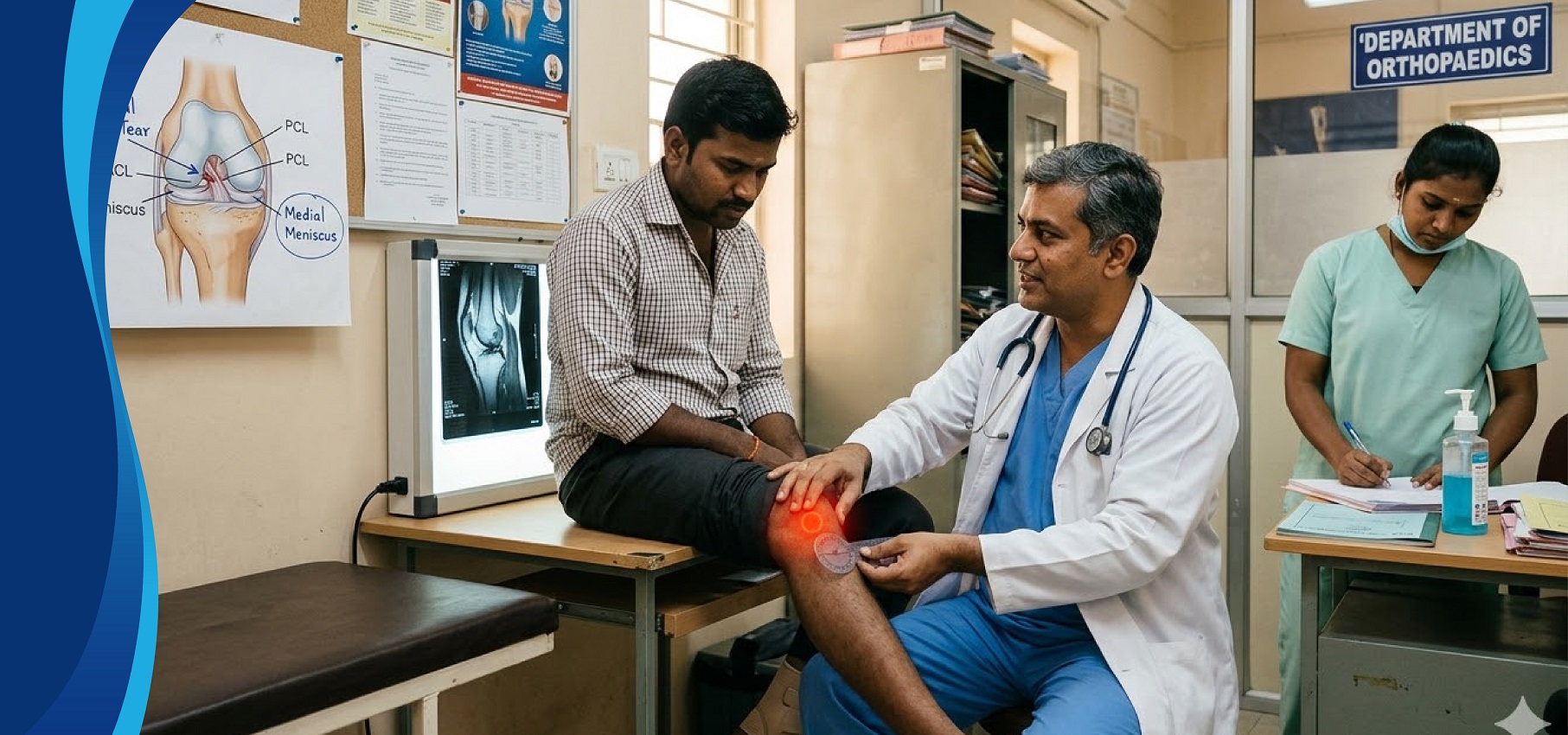
Don’t rush to surgery for a partial ACL tear; you can often skip it with smart conservative ligament management and non-surgical ACL treatment. The goal is to help you regain knee joint stability without going under the knife. Common partial ACL tear symptoms include mild to moderate knee pain, quick swelling within hours, and a wobbly feeling or instability when turning or twisting. This happens due to ligament fiber disruption and knee joint stability compromise caused by anterior knee ligament injury.
The first step in knee ligament injury management is simple care at home using RICE (rest, ice, compress, elevate). Your doctor may suggest a brace as part of a functional knee support strategy to keep the joint stable. Physical therapy is very important to strengthen your quadriceps and hamstrings, which help support the knee.
For proper ACL sprain recovery, it’s best to get an MRI to confirm the injury. You may need crutches for a short time, and once swelling reduces, you can begin gentle exercises like straight-leg raises. Most people return to daily activities in about 4–6 weeks and sports in 3–6 months with steady conservative ACL care.
Surgery is usually considered only if the knee remains unstable, especially for high-impact sports. So make sure to see a doctor early and follow a proper recovery plan.
Partial ACL Tear Meaning.
Partial ACL Tear means the ACL ligament in your knee is injured but not completely torn. This ligament is a strong band of tissue that keeps your knee firm. In a partial tear, there is some fiber damage taken place, which means some fibers are stretched or torn. It’s like a rope that is worn out in a few places, but not fully broken.
The ACL ligament function knee is to stop the shin bone from sliding too far forward and to help you twist and turn safely. When it gets injured, the ligament structural integrity becomes weaker and the joint stabilization mechanism doesn’t work as smoothly. Because of this, the knee stability ligament role is affected, and your knee might feel loose.
Basically, it’s a mild to moderate ligament injury, not a complete rupture. Since it’s a connective tissue injury, the biomechanical knee support is reduced but not completely lost. You may walk normally, but quick turns or sudden movements might feel unstable.
The good news is that most partial ACL tears heal well with proper care and early treatment, often without surgery.
Partial ACL Tear Symptoms
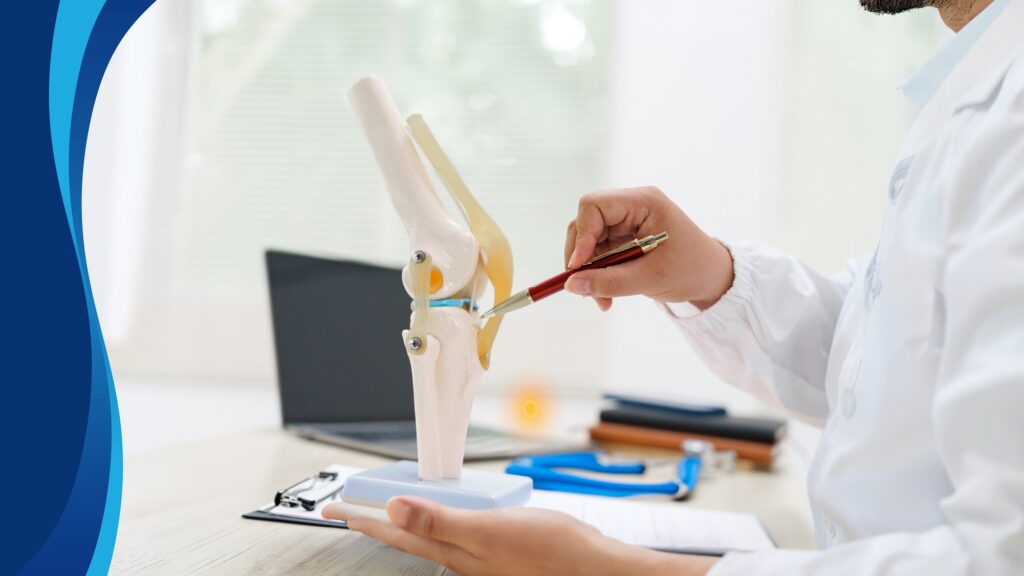
Partial ACL tear symptoms usually include mild pain, swelling, and a feeling that the knee is not fully steady. Many people notice a knee instability feeling, especially while turning or changing direction. Some common mild ACL tear signs are knee swelling after twist, pain during pivoting movement, and reduced knee strength symptoms when walking or climbing stairs.
This happens because of the body’s joint instability response and inflammatory swelling process after the injury. You may also feel movement control impairment and functional strength reduction due to this soft tissue injury reaction.
Warning Signs to Watch For
The “Pop” Sound: While more common in full tears, a partial tear can still cause a loud snap or crunching sensation.
Deep Ache: A persistent pain located deep inside the knee joint, rather than on the skin surface.
Limited Range: Feeling like something is “stuck” inside the joint when moving.
What Is a Partial Ligament Tear in the Knee?
A partial ligament tear in the knee is exactly what it sounds like the ligament is damaged but not completely separated. Unlike a full incomplete ligament rupture, this is a graded ligament injury where the connective tissue disruption is partial, meaning a few fibers remain unharmed.
The knee still bears weight, but structural support impairment and joint motion control loss make movement feel uncertain. Think of it as knee support structure damage that sits between a ligament tear vs sprain serious enough to affect how confidently your knee moves every single day.
Common Causes of a Partial ACL Tear
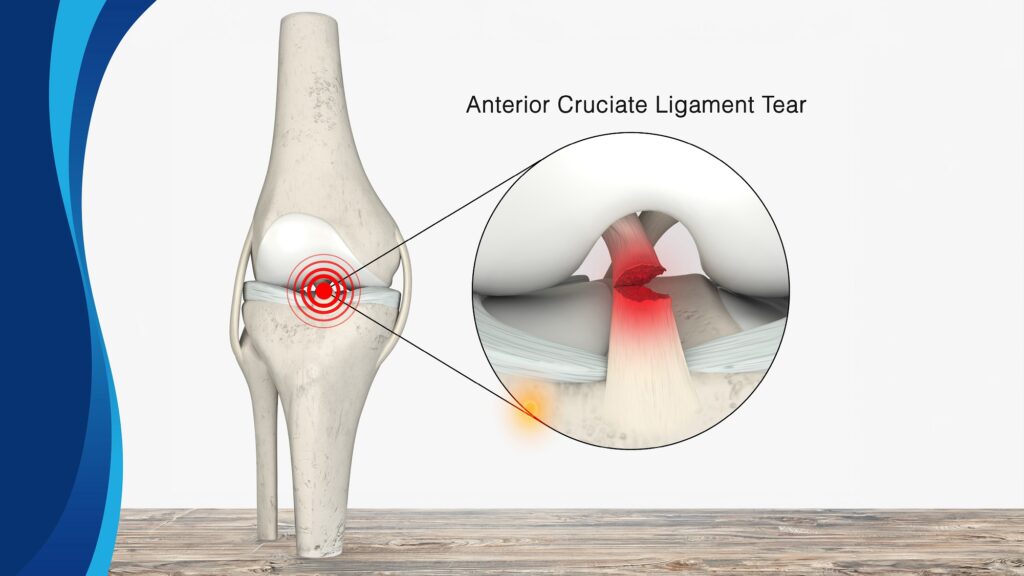
A partial ACL tear usually happens during sudden or forceful knee movements. One common reason is a knee injury from sudden stop, like when you quickly halt while running. Many cases are linked to a sports-related knee ligament injury, especially in football, basketball, or cricket.
Other frequent twisting knee injury causes include sharp turns, improper landings, or a non-contact knee injury where no one hits you, but the knee still gets hurt. A quick pivoting movement knee damage can put heavy pressure on the ligament.
These injuries often occur due to sudden directional change stress and strong rotational joint force on the knee. Sometimes, it can also result from impact-related ligament strain, such as a falling hard or being hit. In simple terms, the ligament faces excessive pressure during a biomechanical overload event, leading to movement-induced tissue stress and partial tearing.
Partial ACL Tear Recovery Time: What to Expect
Healing from a partial ACL tear is a step-by-step process that requires patience. The ACL sprain healing timeline typically ranges from 6 to 12 weeks, depending on the severity. Each ligament injury recovery stage brings the knee closer to full strength through a steady tissue healing progression. The mobility recovery phase comes first, followed by the rehabilitation adaptation process that rebuilds confidence in movement. Load tolerance restoration determines when returning to activity after an ACL injury is truly safe not just how the knee feels, but how it performs.
When Surgery May Be Needed for a Partial Tear
Not every partial tear needs surgery but some do, and knowing when is important.
When persistent knee instability continues despite weeks of therapy, or when conservative treatment failure causes the knee to feel weak while doing daily activities, the surgical intervention threshold is reached. Non-healing ligament injury that progresses into functional instability progression puts everyday life at risk. Advanced knee ligament damage with a clear structural repair requirement means rest alone is not enough; the knee needs proper joint stabilization to heal fully..
Rehabilitation Tips for Safe Healing After a Partial Tear
Safe healing after a partial ACL tear takes the right exercises and a step-by-step approach. You don’t need to rush, you just need to build strength slowly and move in a controlled way.
Start with gentle ACL rehabilitation exercises recommended by a physiotherapist. These usually include mild flexibility exercises and basic muscle activation. Follow a safe knee strengthening routine that focuses on the quadriceps and hamstrings, as they support the knee. Proper ligament recovery therapy helps you avoid overdoing it.
As pain and swelling reduce, add mobility training after knee injury and focus on controlled movement recovery. This stage supports progressive strength restoration through controlled joint loading, in other words, you build pressure slowly while protecting the knee.
You’ll also focus on neuromuscular coordination training to improve balance and control. As you continue healing, your practice on functional movement retraining becomes important so daily tasks and sports feel natural again. Thus, When you follow a clear and well-planned therapeutic rehabilitation protocol, your knee heals in a safe way. Over time, this builds strength and restores your confidence in using your knee again.
Preventing Further Injury After a Partial ACL Tear
The best way to prevent knee reinjury is to focus on joint stability maintenance through specific exercises. Building protective movement habits, like landing softly and keeping your hips aligned, acts as a ligament protection strategy for your knee. By focusing on movement control optimization, you create a solid injury risk reduction strategy. For a safe return to sports knee injury, always prioritise biomechanical alignment support and long-term ligament protection to keep your knee strong and reliable.
How to Keep Your Knee Safe
Keeping your knee safe is all about teaching your muscles to act like “body armour” for your weakened ligament.
- Strengthen the Surrounding Muscles: Focus on your hamstrings and glutes; they act as the primary backup for your ACL.
- Master Your Balance: Use a wobble board or stand on one leg to improve your brain-to-knee connection.
- Wear the Right Gear: Using a supportive brace during high-impact activities adds an extra layer of stability.
FAQ
Can a partial ACL tear heal without surgery?
Yes, a Partial Tear Grade 2 of the Anterior Cruciate Ligament can heal through conservative ACL management. A structured ACL rehabilitation program and non-surgical ACL treatment can restore knee ligament healing effectively when the instability is manageable.
Can you avoid surgery with an ACL tear?
Often, yes. A Pivot-Shift Test determines knee stability first. Physical therapy for ACL recovery, combined with knee stability therapy and proper ACL injury management, can make ACL Reconstruction unnecessary for many partial tears.
Can I run with a partial ACL tear?
Running with an ACL injury depends on stability. Strong Quadriceps Strength and Hamstring Rehab through knee stability exercises support athletic knee recovery. Always follow ligament injury precautions and a guided return to sport ACL rehab plan first.
How painful is a partial ACL tear?
Pain varies. Common ACL tear symptoms include swelling after ACL injury, joint instability signs, and knee trauma symptoms. The RICE Protocol Rest, Ice, Compression, Elevation is the first step in managing knee ligament injury pain effectively.
Can you bend your knee with a partially torn ACL?
Yes, but with joint movement limitations. Knee range of motion is often restricted initially. ACL tear function improves through ligament tear mobility exercises and Proprioception Training, gradually restoring knee flexibility after injury and overall ligament tear mobility.