
Rotator Cuff Tear Explained
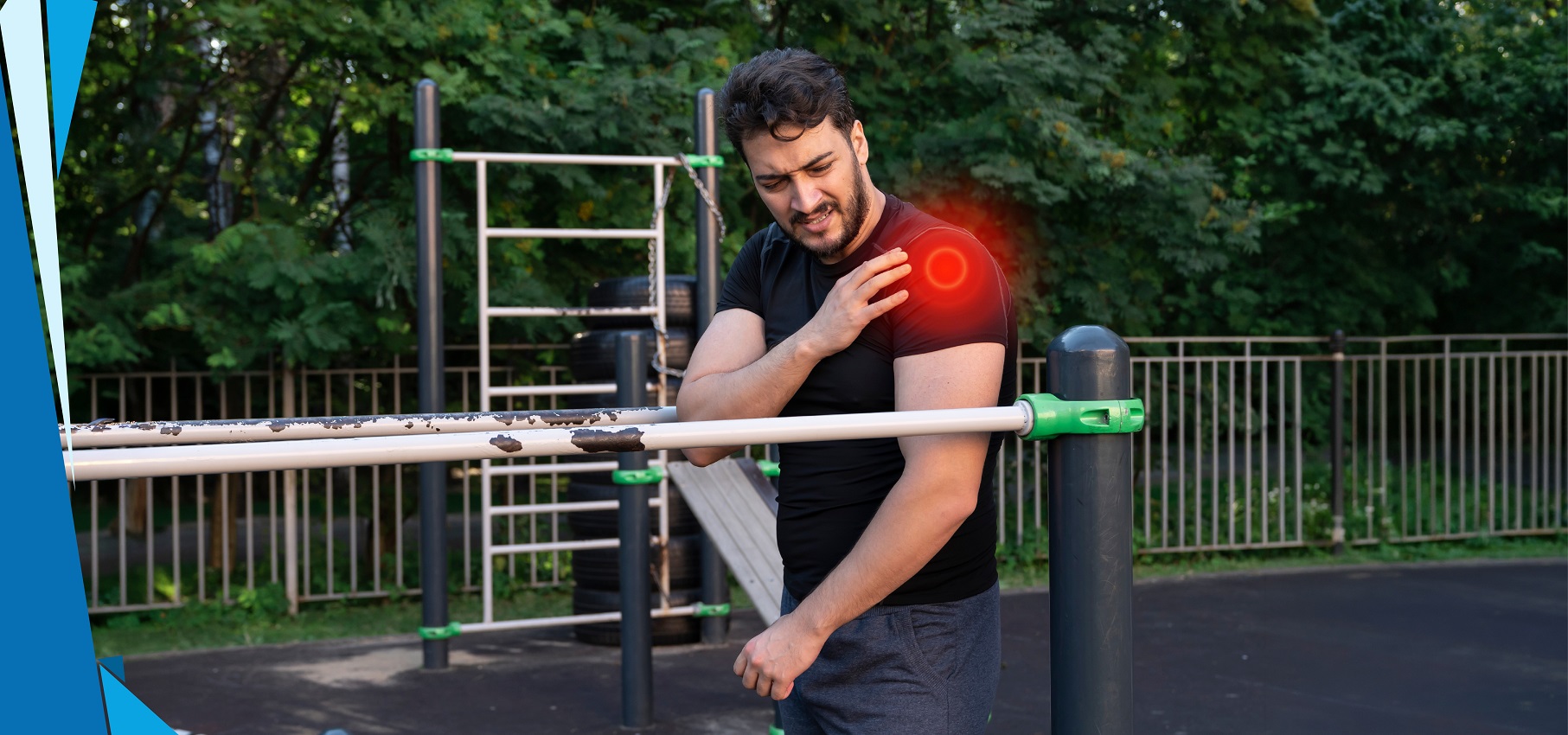
Reaching for a shelf, lifting a bag, or throwing a ball are simple daily movements we often take for granted. All these actions depend on strong shoulder tendons working together. When one of these tendons tears, it can cause pain, weakness, and difficulty moving your arm normally.
A rotator cuff tear is a soft tissue shoulder damage that doesn’t always happen dramatically. Sometimes it builds slowly through wear, overuse, or age. The result is shoulder weakness and pain that creeps into daily life, making even lifting the arm feel like a battle. The shoulder tendon injury may seem small at first but left unaddressed, it quietly deepens, limiting movement and compromising the stability your shoulder depends on.
What Is a Rotator Cuff and Why It Matters for Shoulder Movement
The rotator cuff is a group of four muscles and their tendons that play a key role in keeping your shoulder stable and strong. These shoulder joint stabilization muscles surround the shoulder joint and hold the upper arm bone securely in its socket. The main rotator cuff function shoulder movement depends on smooth lifting and rotation of the arm.
Each shoulder tendon role plays an important role by connecting the muscles to the bone and helping them work together smoothly. This proper tendon-muscle coordination allows controlled arm elevation mechanics, so you can lift and move your arm without difficulty. Together, they support steady joint movement control and provide dynamic shoulder support, while maintaining the overall shoulder mobility structure and strength needed for daily activities.
Symptoms of a Rotator Cuff Tear
A rotator cuff tear can slowly affect shoulder stability and function, causing pain, weakness, and noticeable movement restriction response during everyday activities. The pain may start as mild discomfort but can gradually worsen, especially when lifting the arm or reaching overhead.
- Common symptoms include: Shoulder Pain: Persistent shoulder discomfort is common and may worsen over time. Shoulder pain at night symptoms disturb sleep and increase during arm elevation due to the tendon inflammation process.
- Arm Weakness: Weakness when lifting arm makes daily tasks difficult. This functional strength loss occurs due to mechanical shoulder dysfunction and the body’s natural movement restriction response.
- Limited Range of Motion: Limited shoulder range of motion makes rotating or raising the arm painful. Pain during arm elevation signals tendon damage and ongoing internal inflammation.
- Cracking Sensation: A clicking shoulder sound may occur while moving. This mechanical shoulder dysfunction often indicates tendon irritation or joint instability needing attention.
- Night Discomfort: Night discomfort increases when lying on the affected side. Persistent shoulder discomfort and inflammation can disturb sleep and worsen overall recovery if untreated.
Causes of Rotator Cuff Tears
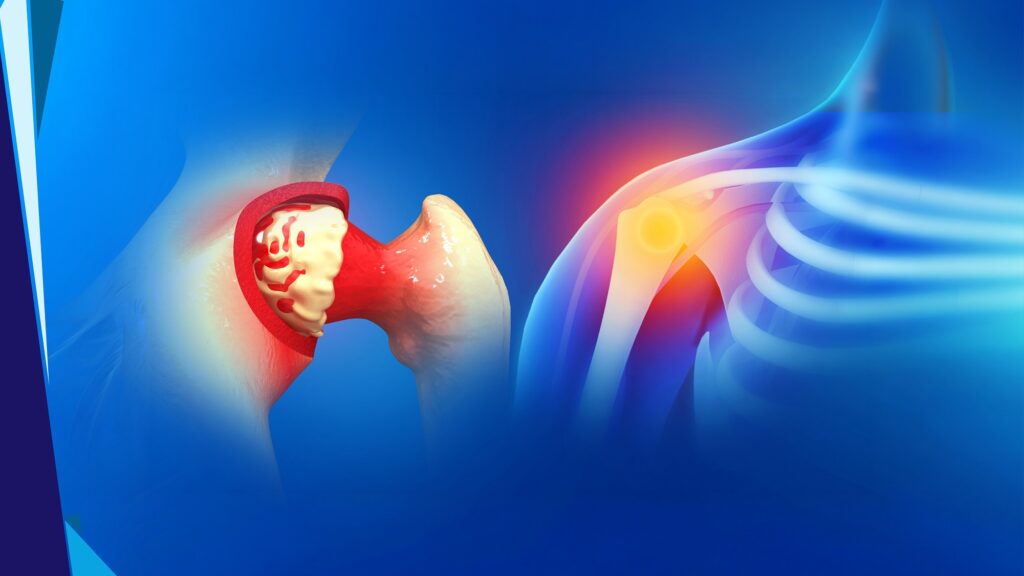
Rotator cuff tears rarely happen without reason behind every torn tendon is a story of stress, time, or force the shoulder could no longer absorb.
Some Causes of Rotator Cuff Tears include:
Age-Related Degeneration: As years pass, the tendon degeneration process silently weakens fibres that once held up effortlessly, making even routine movement a risk for tearing.
Repetitive Overhead Activity: Painters, swimmers, and cricketers share one thing: a repetitive strain mechanism that slowly loads and wears the shoulder beyond what tissue can sustain.
Traumatic Injury: A sudden fall, a forceful pull, or an abrupt impact delivers traumatic shoulder damage in an instant tearing what years of movement never could.
Bone Spurs: Sharp bony growths pressing against the tendon create biomechanical overload stress with every arm movement, gradually damaging the tissue from the outside in.
Poor Posture and Weak Muscles: When you sit or stand with slouched shoulders and the nearby muscles are weak, the pressure on your shoulder is not balanced. This lack of balance load slowly increases strain on the tissues. Over time, this can cause wear and tear, even before you actually feel pain or notice an injury
Types of Rotator Cuff Tears
Not every rotator cuff tear looks the same, understanding the rotator cuff tear classification helps explain why two people with shoulder pain can have very different journeys ahead.
A few of the common types include:
Partial Rotator Cuff Tear: In a partial tear, the tendon fiber disruption pattern is incomplete; the tissue is damaged but still holds together, making it one of the less severe rotator cuff damage presentations that often responds well to conservative care.
Complete Rotator Cuff Tear: A full thickness tear means the tendon has split entirely through structural tendon integrity loss that disconnects muscle from bone and significantly compromises shoulder function.
Acute Tear: Caused by a sudden traumatic tissue rupture mechanism a fall, a jerk, or a forceful impact this tear arrives without warning and demands prompt attention.
Degenerative Tear: A degenerative tendon breakdown process that unfolds over months or years, quietly eroding tendon strength through age, overuse, and repetitive shoulder strain until the tissue finally gives way.
Irreparable Rotator Cuff Tears: When the tear thickness variation is too severe and tissue has retracted too far, surgical repair becomes impossible, improving function through alternative methods becomes the only option.
How common are rotator cuff tears?
Rotator cuff tear prevalence is actually quite common, especially in people over 40. According to shoulder tendon injury statistics, many adults experience this problem, even if they don’t realize it at first. The incidence of rotator cuff injury rises with age because age-related shoulder tear risk increases due to natural wear and tear. Over time, age-related tendon degeneration prevalence grows as the degenerative tissue change rate slowly weakens the tendon. In addition, Population risk shoulder tendon damage is higher in people doing repetitive overhead work. Repetitive strain injury frequency plays a major role in shoulder overuse risk distribution, especially in jobs or sports that require constant arm lifting. On the other hand activity-related shoulder injury occurrence is also common in individuals involved in cricket, tennis, swimming, and weightlifting.
In simple terms, rotator cuff tears are common, particularly in older adults and people who use their shoulders heavily for work or sports.
How Rotator Cuff Tears Are Diagnosed
Rotator cuff tears are diagnosed through a combination of conversation, clinical movement assessment, and imaging not guesswork.
It begins with a physical examination of shoulder pain, where the doctor checks how the arm moves and where discomfort appears. This clinical shoulder assessment helps the doctor understand how well your shoulder is functioning and where the problem lies. Based on this functional impairment analysis, the doctor can then decide the next step, which usually includes imaging for shoulder tendon tear, such as an MRI or an ultrasound, to get a clearer picture of the damage.
As a whole, the diagnostic confirmation process whether through an MRI that maps soft tissue damage or an ultrasound that captures the tendon in motion brings structural injury identification to life, showing exactly how deep the tear runs and what the shoulder genuinely needs to recover.
When Surgery Is Recommended for a Rotator Cuff Tear
Surgery is recommended for a rotator cuff tear when the damage is too severe to heal naturally. When persistent shoulder weakness continues even after months of therapy, when a severe shoulder tendon tear makes it difficult or impossible to properly use the arm, or when a non-healing tendon injury goes beyond the functional impairment threshold, the surgical intervention criteria are usually met. In simple terms, if the shoulder is not improving with time, exercise, and medication, surgery may become necessary. Advanced shoulder damage rarely heals on its own without proper structural repair, and delaying advanced injury management can increase the tissue repair requirement and make recovery more complicated over time.
Recovery Timeline After a Rotator Cuff Tear
The rotator cuff recovery time typically spans four to six months, though functional strength restoration can take up to a year. Understanding the healing stages of shoulder tendon injury means knowing that recovery happens step by step. The tissue healing progression focuses first on protecting the injured tendon and allowing it to rest before slowly building strength and power again.In simple terms, the rehabilitation adaptation phase is the “wake-up call” for your shoulder. After an injury, your joint becomes stiff and the muscles “forget” how to move correctly. This phase is all about teaching the shoulder to move through its natural range again without adding stress to the recovering tissue.. A successful recovery progression shoulder requires a gradual load reintroduction to ensure the tendon can handle a full return to activity shoulder injury without re-tearing.

The Phases of Rehabilitation after Shoulder Tear
- Protection Phase (Weeks 0–6): Focuses on passive movement and protecting the repair.
- Active Motion Phase (Weeks 6–12): Gentle exercises to regain your natural range of motion.
- Strengthening Phase (Months 3–6): Building the strong supporting muscles needed for daily tasks.
Preventing Shoulder Injury and Rotator Cuff Damage
Shoulder injuries like rotator cuff damage develop due to lack of muscle strength, poor habits, or overload. You can prevent shoulder tendon injury with simple steps: build strength, lift safely, and modify everyday activities. Here’s how to protect your shoulders long-term.
Shoulder Strengthening for Injury Prevention: Do injury prevention shoulder exercises like wall angels, band pull-aparts, and external rotations 3x weekly. Focus on muscle support development to stabilize the joint.
Safe Lifting Techniques Shoulder: Bend knees, keep loads close to your chest, and avoid overhead reach. These safe lifting techniques shoulder lowers pressure on the tendons.
Habits to Reduce Shoulder Strain: Avoid bending over your phone for long periods or carrying heavy bags on one side. Focus on movement mechanics optimization for joint stability maintenance.
Injury Risk Reduction Strategy: Pair warm-ups with posture checks. This injury risk reduction strategy helps long-term shoulder health preservation. Stay consistent!
FAQ
How does a rotator cuff tear happen?
A rotator cuff injury causes range from repetitive shoulder strain in overhead activities to a single acute shoulder injury like a fall. Over time, tendon degeneration of the shoulder leads to Supraspinatus Tendon weakening, while Subacromial Impingement accelerates the shoulder tendon tear mechanism through constant friction and pressure.
What are two warning signs of a rotator cuff tear?
The most telling rotator cuff tear symptoms are shoulder pain weakness during arm elevation and limited shoulder motion that restricts daily movement. Clinically, the Drop Arm Test and Empty Can Test reveal shoulder injury signs by exposing functional weakness the pain lifting arm cannot hide.
Can a rotator cuff tear heal on its own?
Rotator cuff healing potential depends on tear size. Partial tear recovery involving the Supraspinatus Muscle or Infraspinatus can respond well to conservative shoulder therapy including rest and non-surgical shoulder treatment though complete tears rarely achieve full tendon repair recovery without medical intervention.
Are rotator cuff tears serious?
Yes. The severity of rotator cuff tear should never be underestimated. Untreated shoulder injury leads to chronic shoulder pain, progressive shoulder tendon damage risks, and Glenohumeral Instability, a condition where functional shoulder impairment gradually affects every movement the arm was once capable of performing.
What is the best way to treat a rotator cuff tear?
Rotator cuff treatment options range from physical therapy shoulder rehab and Corticosteroid Injection for pain management shoulder injury to Arthroscopic Rotator Cuff Repair for severe cases. The right tendon repair methods depend on tear size, age, and how significantly shoulder surgery repair is needed to restore function.