
ACL Tear: Symptoms, Treatment & Recovery
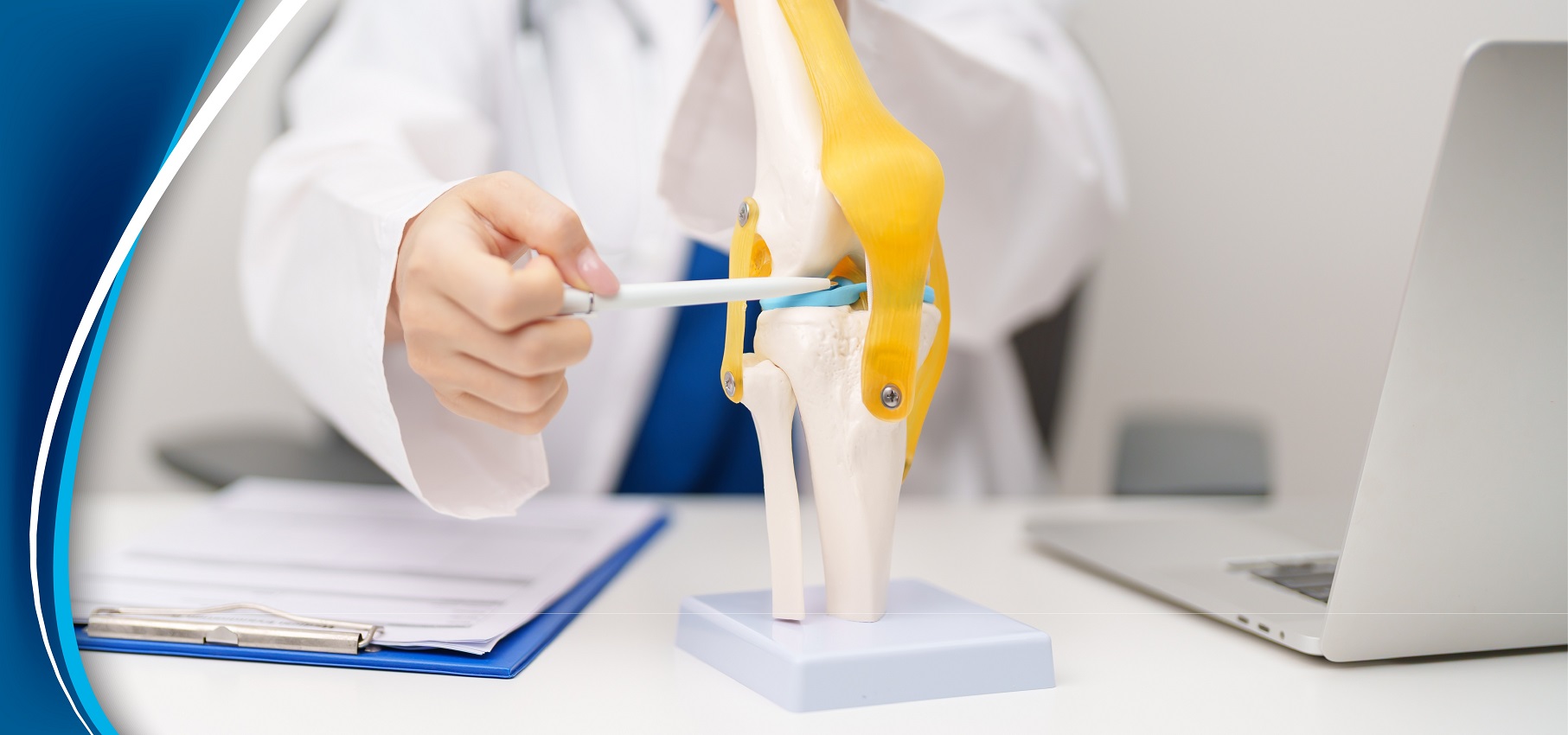
Have you ever twisted your knee and suddenly couldn’t put weight on it? Or heard a sharp “pop” while playing and your leg felt unstable? That could be an ACL (Anterior cruciate ligament) tear. It’s not only a sports injury anyone can experience it from a sudden turn, jump, or slip. The real challenge isn’t just the pain, but the recovery process and treatment choices that come after.
An ACL Tear is one of the most common and devastating sports knee injuries, affecting athletes and active individuals worldwide. The Anterior Cruciate Ligament (ACL) is a critical ligament within the Knee Joint responsible for stability and controlled movement. When this ligament sustains damage, it results in severe knee instability, ligament damage in the knee, and significant pain. From a minor anterior cruciate ligament injury to a complete ACL rupture, every knee ligament tear demands expert orthopedic evaluation and a structured Sports Medicine-driven recovery plan for lasting results.
What Is ACL Tear? Understanding ACL Tear Meaning
Your knee handles enormous pressure daily but one sudden twist can push the ACL beyond its limits. So what is ACL tear exactly? In simple ACL tear meaning, it refers to the stretching or complete tearing of the torn ACL ligament that connects the Femur to the Tibia deep within the knee. This ACL rupture explained clearly it is a serious knee ligament injury that directly compromises Joint Stability, disrupting normal Knee Anatomy and the function of the Cruciate Ligaments. Without these ligaments intact, controlled movement becomes painful, unstable, and increasingly difficult without proper orthopedic intervention.
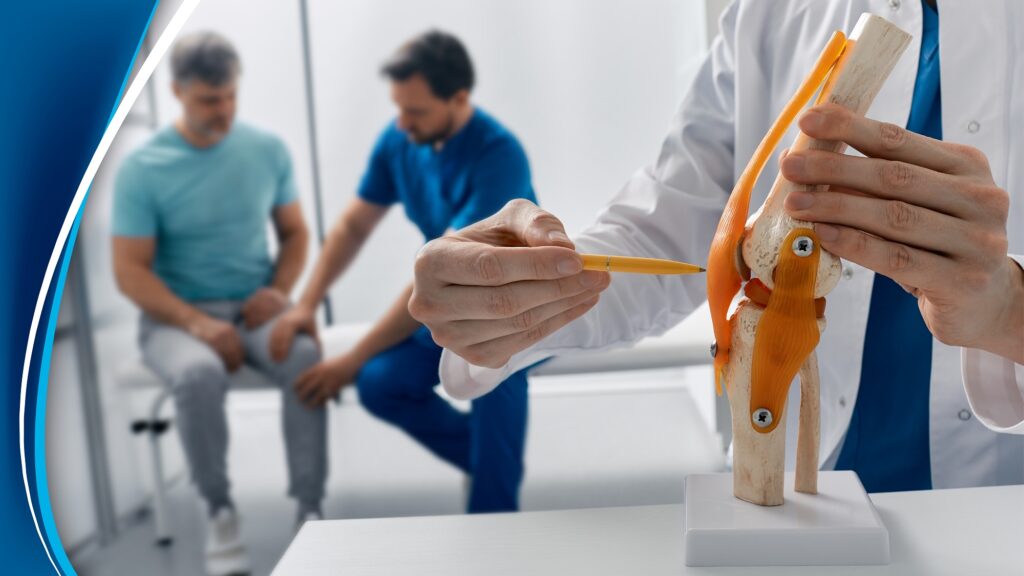
ACL Tear Symptoms You Should Not Ignore
Ignoring an acute injury can lead to long-term damage. The most common ACL tear symptoms start with a distinct popping sound in the knee during a pivot or impact. This is often followed by severe knee pain and sudden knee swelling as inflammation sets in.
Key warning signs include:
- Knee giving way during movement.
- Persistent joint instability.
- Limited range of motion making it impossible to straighten the leg.
Promptly addressing these signs ensures better outcomes for your joint health.
Common ACL Tear Causes in Sports and Daily Activities
ACL tears rarely come with a warning they strike in a split second. Anything that puts too much force on your knee can tear your ACL. The most frequent Anterior Cruciate Ligament Injury Mechanism involves sudden twisting of the knee during high-intensity movements. Pivoting injuries are especially common among Athletes in contact sports like football gymnastics and basketball. Landing incorrectly from a jump places enormous strain on the ligament, while non-contact ACL injuries often occur during abrupt direction changes. Even daily activities involving awkward knee movements can trigger a contact sports injury, making anyone vulnerable regardless of fitness level.
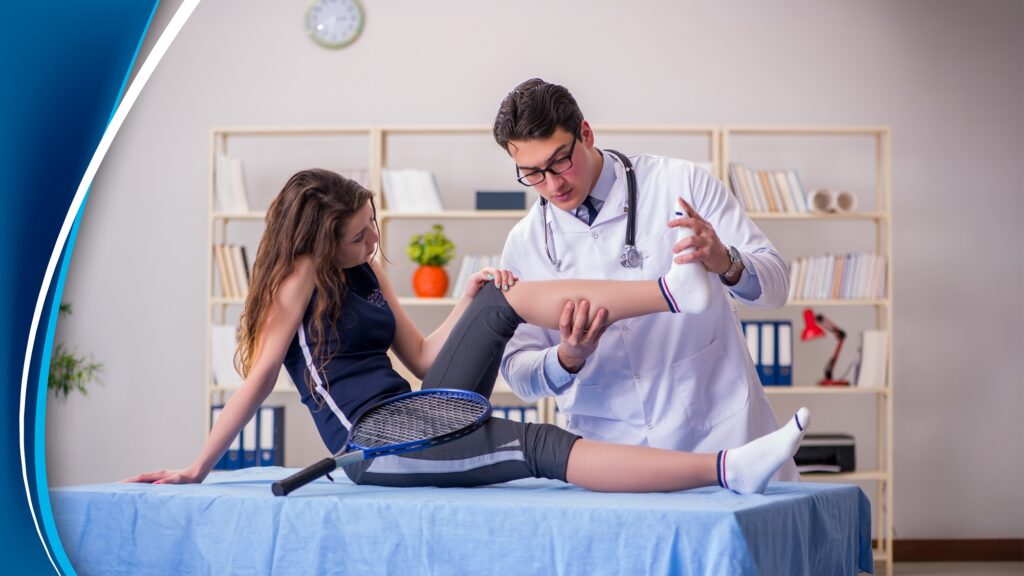
How Is an ACL Tear Diagnosed?
A precise orthopedic examination is the first step in confirming a rupture. During a knee physical examination, specialists utilize clinical maneuvers like the Lachman test and the pivot shift test to assess laxity and displacement.
To provide a definitive diagnosis, imaging tests for knee injury are essential. Magnetic Resonance Imaging (MRI) is the gold standard; an MRI for ACL tear reveals the extent of fiber damage and any associated meniscus or cartilage issues that physical tests alone might miss.
In summary, ACL tear diagnosis relies on medical history, physical tests, and imaging. Early detection helps proper treatment and a faster return to normal activity.
ACL Tear Treatment Options: Surgical and Non-Surgical
Recovering from an ACL injury requires a tailored approach. ACL tear treatment without surgery focuses on intensive rehabilitation therapy and knee brace support for sedentary patients. However, active individuals often require ACL reconstruction surgery via arthroscopy. This arthroscopic ACL surgery typically involves a hamstring graft or patellar tendon graft to replace the ligament. Post-operative physical therapy for ACL is then essential to restore full function and joint stability.
ACL Tear Recovery Time: What to Expect
Recovery from an ACL tear demands commitment but every week brings you closer to full strength. ACL tear recovery time typically ranges from 6 to 12 months depending on severity and treatment. Healing after ACL surgery involves structured post-surgery recovery stages guided by Physiotherapy and Sports Rehabilitation. A realistic return to sports timeline is set by your orthopedic specialist through a carefully monitored Postoperative Recovery plan, ensuring safe, confident, and complete comeback.
ACL Tear Recovery Process and Rehabilitation
Recovery focuses on repairing the damaged tissue while carefully rebuilding strength, balance, and confident movement over time. A structured Rehabilitation Program through Physical Therapy forms the backbone of successful ACL recovery:
- ACL Rehab Exercises: Carefully designed movements restore joint function and confidence progressively.
- Quadriceps Strengthening: Targeted exercises rebuild power in the Quadriceps Muscles for stable knee support.
- Knee Strengthening Exercises: Strengthening Hamstring Muscles provides crucial balance and joint protection.
- Range of Motion Therapy: Restores natural flexibility and movement patterns effectively.
- Gradual Return to Activity: Ensures safe, structured progression preventing re-injury long-term.
When to See a Doctor for an ACL Tear
If you experience an unstable knee joint that “gives out,” it is critical to schedule an orthopedic specialist visit immediately. Delaying a sports injury consultation can lead to permanent cartilage damage. Seek an orthopedic doctor if you face difficulty walking or persistent knee pain that doesn’t improve with rest. At a specialized sports injury clinic, a clinical exam and an MRI scan will determine the severity and the best path toward recovery. Postponing evaluation risks further deterioration of surrounding knee structures, making the path to recovery far more complex and challenging.
Tips to Prevent ACL Tear and Protect Your Knees
Preventing an ACL rupture requires a proactive injury prevention program. Focus on neuromuscular training to improve how your brain controls joint movement during sudden pivots. Incorporate strength training for knees, specifically targeting the hamstrings and glutes, alongside dedicated balance training to stabilize the knee joint. Always prioritize a proper warm-up before sports to prepare your ligaments for high-impact athletic conditioning. These ACL injury prevention exercises are the best defense against long-term damage.
Avoiding ACL Tears
To reduce the risk of an ACL injury, keep these points in mind:
- Do not allow the knees to cave inward during movement.
- Build strong hip, thigh, and core muscles for better joint support.
- Always warm up and stretch before sports or exercise.
- Improve balance and coordination with regular training drills.
- Wear proper footwear suited to the playing surface.
- Increase activity intensity gradually instead of sudden overexertion.
- Learn correct cutting and pivoting techniques during sports.
FAQ
Can you walk with a torn ACL?
Torn ACL symptoms include knee instability and difficulty walking with ACL injury. An ACL ligament tear affects the knee joint, requiring orthopaedic surgeon evaluation for safe mobility.
Can you bend your knee with an ACL tear?
ACL tear knee movement may be limited. Bending knee after ACL injury is restricted due to swelling and inflammation, reducing knee range of motion in the ACL ligament.
How painful is ACL surgery?
ACL reconstruction pain varies, but knee ligament surgery pain from arthroscopic ACL surgery is managed with effective pain management strategies, ensuring recovery and reduced discomfort after orthopaedic procedures.
How to recover from an ACL tear?
ACL tear recovery time depends on ACL rehabilitation, physical therapy, and a structured rehabilitation program, focusing on knee strengthening after ACL injury to restore ligament stability and mobility.
What exercises help ACL recovery?
ACL rehab exercises include knee strengthening exercises and post‑ACL surgery exercises, guided by a physical therapist, targeting quadriceps muscle and hamstring muscle to improve knee joint stability and function.