Osteoarthritis vs Rheumatoid Arthritis of the Knee
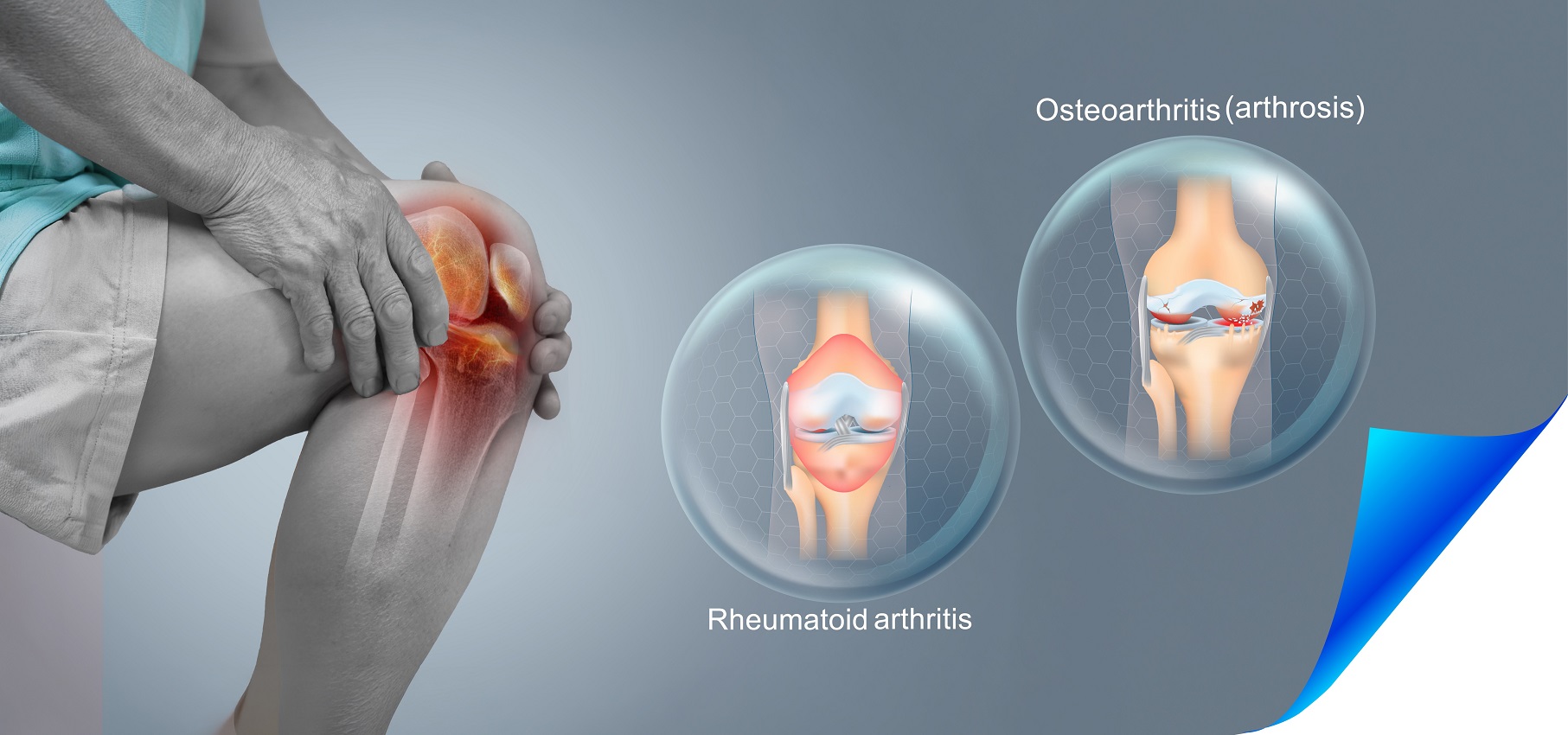
Understanding the differences between osteoarthritis vs rheumatoid arthritis knee conditions is essential for proper diagnosis and treatment. Both types of knee arthritis affect the knee joint, but they develop through distinct mechanisms.
Osteoarthritis (OA) is a degenerative condition where cartilage gradually breaks down due to age, weight, or overuse. Rheumatoid arthritis (RA) is an autoimmune disease where the immune system attacks the knee joint lining, causing inflammation.
This knee arthritis comparison reveals key knee joint arthritis differences: OA typically affects one knee, while RA usually impacts both simultaneously. Recognizing OA vs RA knee symptoms early allows for targeted intervention, preserving mobility and significantly improving long-term joint health outcomes.
What is Osteoarthritis?
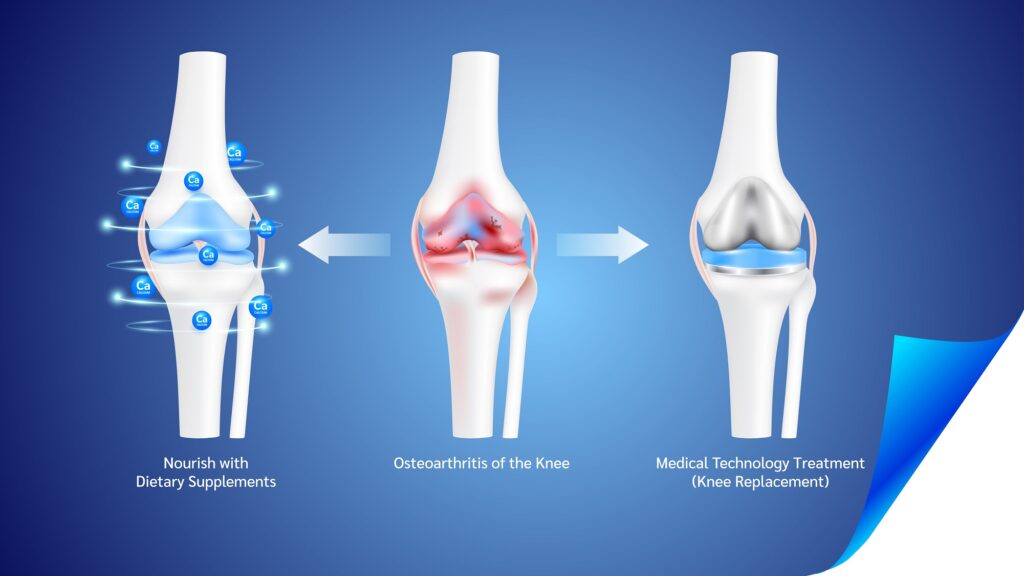
Osteoarthritis is far more than everyday joint pain; it represents a progressive degenerative joint disease where protective cartilage degeneration slowly destroys the knee’s cushioning layer.
Known as wear and tear arthritis, osteoarthritis develops when mechanical stress and aging gradually erode cartilage, leading to joint space narrowing and painful bone spur formation along joint edges.
Common osteoarthritis causes include obesity, previous joint injuries, repetitive movements, and advancing age. Key osteoarthritis symptoms include morning stiffness, swelling, grinding sensations, and persistent knee pain that worsens with activity.
Understanding what osteoarthritis is helps patients recognize early warning signs and seek timely, effective treatment.
What is Osteoarthritis of the Knee?
Osteoarthritis of the knee turns one of the body’s hardest-working joints into a source of daily struggle. Here is what happens inside:
- Knee cartilage the smooth cushion covering the femur, tibia, and patella gradually wears away, leaving bones exposed and unprotected
- As knee joint degeneration progresses, joint space narrows, causing bones to grind painfully against each other
- The body responds by forming osteophytes (bone spurs) around the joint, further limiting movement
- Knee OA symptoms include persistent stiffness, swelling, cracking sounds, and knee pain due to osteoarthritis that intensifies after activity
- Osteoarthritis of the knee joint worsens gradually, making early diagnosis critical for slowing progression and maintaining mobility
What is Rheumatoid Arthritis?
Rheumatoid arthritis is where the body essentially turns against itself a chronic autoimmune disease where the immune system mistakenly attacks healthy joint tissue.
Unlike wear-and-tear conditions, rheumatoid arthritis meaning centers on chronic inflammation triggered by misfiring immune responses. Elevated rheumatoid factor in the blood often confirms this autoimmune arthritis diagnosis.
Rheumatoid arthritis causes remain partially unclear, though genetics, hormonal changes, and environmental triggers play significant roles. Common rheumatoid arthritis symptoms include joint warmth, symmetrical swelling, prolonged morning stiffness, and fatigue.
Understanding what is rheumatoid arthritis as inflammatory arthritis not simply joint damage is key to pursuing treatments that target the immune system directly.
What is the Best Treatment for Osteoarthritis?
Osteoarthritis treatment focuses on relieving pain, improving mobility, and slowing joint damage through combined medical and lifestyle therapies. Some of the best treatment for osteoarthritis are:
- Physiotherapy: Strengthens surrounding muscles, improves joint mobility, and reduces stiffness key for long-term function.
- Weight management: Even small weight loss lowers joint pressure, especially in knee osteoarthritis management.
- Pain medications: Paracetamol, NSAIDs, or topical gels provide effective osteoarthritis pain relief.
- Knee braces: Improve alignment, stability, and reduce load on damaged cartilage.
- Lifestyle care: regular low-impact exercise, hot/cold therapy, posture correction.
- Joint replacement surgery: Considered when non-surgical arthritis treatment fails and daily activity becomes difficult.
Best results come from combining treatments, not relying on one single therapy.

What is the Treatment for Rheumatoid Arthritis?
Treatment for rheumatoid arthritis focuses on controlling the autoimmune response, reducing inflammation, relieving pain, and preventing joint damage. Since RA involves the immune system attacking joints, early intervention is crucial.
- Disease-Modifying Antirheumatic Drugs (DMARDs): These are cornerstone RA treatment options that suppress the overactive immune response to slow disease progression
- Biologic Agents: Target specific inflammatory pathways to block joint damage when traditional medicines for rheumatoid arthritis prove insufficient
- NSAIDs and Corticosteroids: Provide rapid rheumatoid arthritis pain relief and reduce acute inflammation in affected joints
- Physical Therapy: Maintains joint flexibility and strengthens supporting muscles for better function
- Lifestyle Modifications: Rest during flares and regular low-impact exercise support overall autoimmune arthritis management
FAQ
What is the best treatment for osteoarthritis in my knee?
Knee osteoarthritis treatment often includes physical therapy for knee pain, joint preservation therapy, and cartilage degeneration management, guided by an orthopaedic doctor to improve mobility and provide effective osteoarthritis treatment.
Is walking good for knee osteoarthritis?
Walking is a low‑impact exercise for arthritis that supports joint health. Regular knee mobility exercises and arthritis‑friendly workouts improve flexibility, strengthen muscles, and help manage exercise for arthritis safely.
What is the best medicine for arthritis in the knees?
Arthritis pain medication options include topical anti‑inflammatory gel, oral drugs for knee inflammation treatment, and other joint pain relief options, prescribed by specialists to support effective arthritis medication and knee treatment.
What is the best vitamin for osteoarthritis?
Vitamin D for joint health, glucosamine benefits, chondroitin supplement effects, and omega‑3 inflammation support are key for joint nutrition, helping manage osteoarthritis (OA) and supporting cartilage strength and flexibility.
What is the root cause of rheumatoid arthritis?
Rheumatoid arthritis develops from autoimmune joint disease, with synovial inflammation, immune system dysfunction, and chronic inflammatory arthritis linked to genetic risk factors, making it a complex joint disease requiring medical management.