Knee Pain While Sitting: Causes You Shouldn’t Ignore
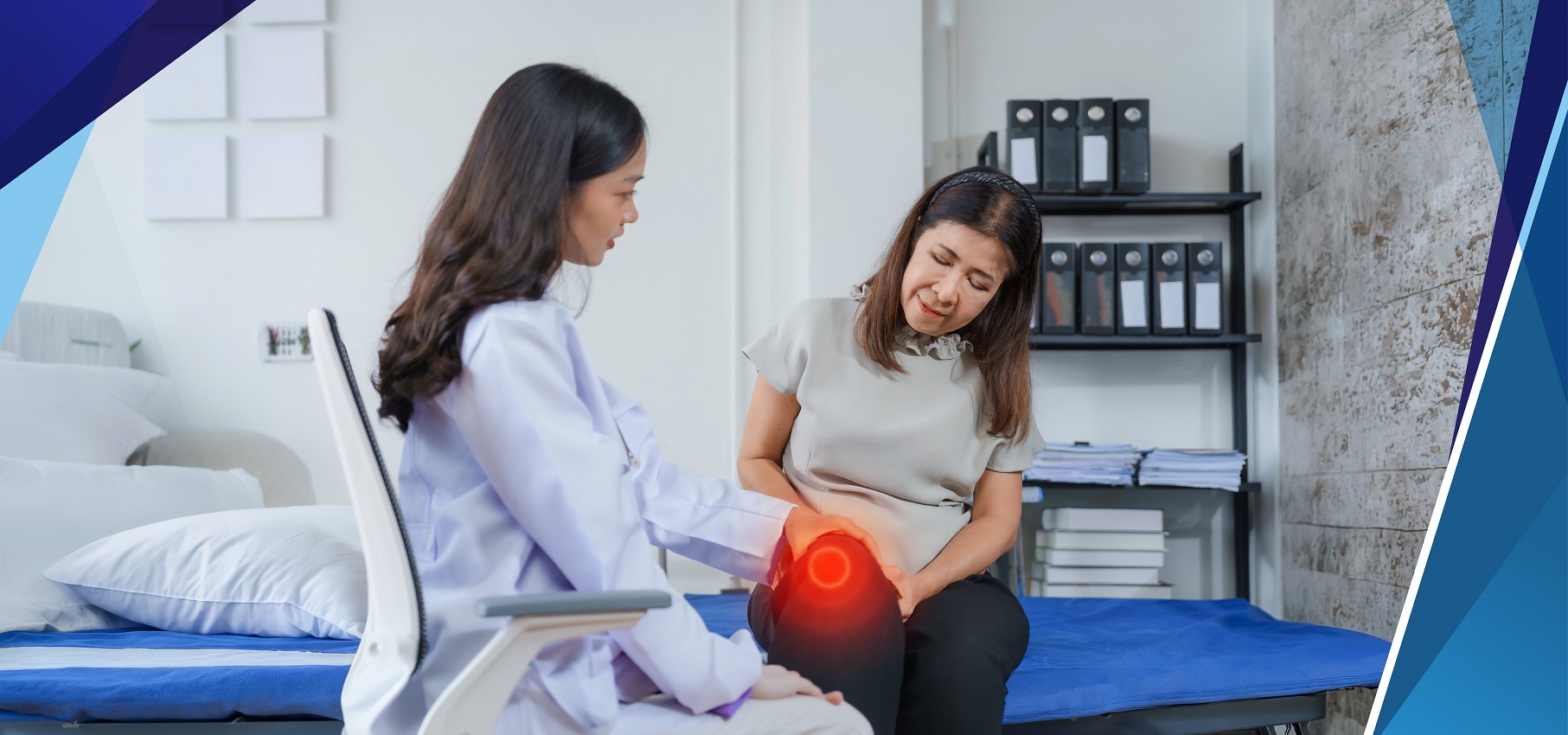
That sharp ache or dull throb in your knee while sitting isn’t just “normal discomfort” it’s your body sending a signal you need to hear.
Whether you’re dealing with knee pain when sitting down at your desk, experiencing knee stiffness while sitting through a long meeting, or noticing pain in your knee while seated during a simple car ride, the discomfort is hard to brush off and harder still to explain. Sitting is supposed to be a rest. So why does it hurt?
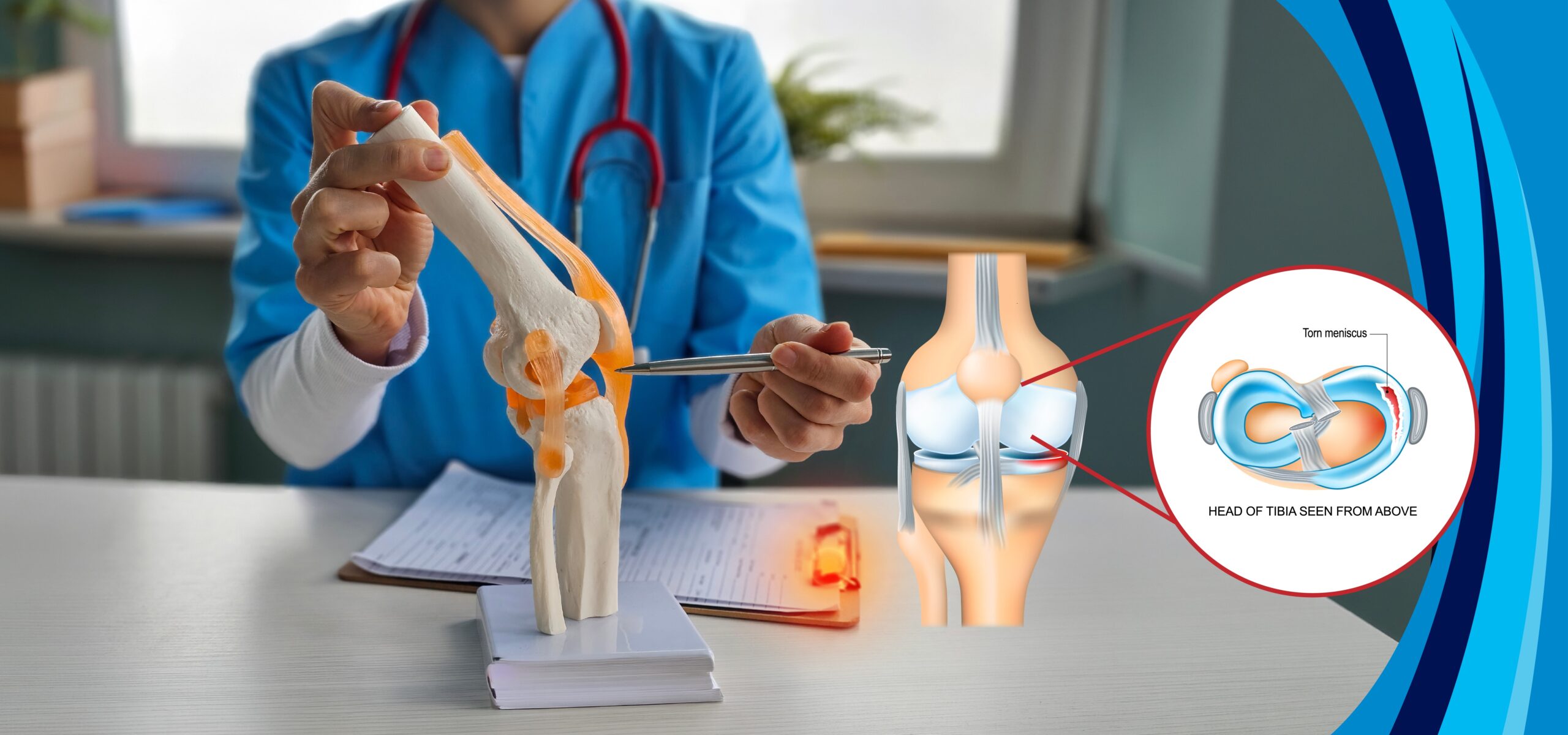
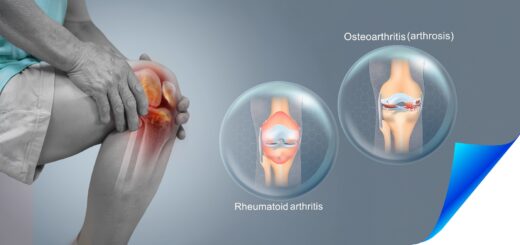
The truth is, sitting knee pain causes run deeper than most people realize. Your knee joint is one of the most complex structures in the human body, held together by a delicate network of cartilage, ligaments, and the meniscus all of which can be stressed, compressed, or inflamed even when you’re completely still. Conditions like osteoarthritis can silently erode the cushioning inside your joint, making knee discomfort sitting feel worse over time if left unaddressed.
Knee Pain While Sitting Causes
Ever wondered why knees hurt when sitting after a long day at the office? It’s a common contradiction: you’re resting, yet your joints feel like they’re under fire.
One of the primary causes of knee pain while sitting is poor posture. When you tuck your legs under your chair or cross them tightly, you create sitting posture knee pain by increasing pressure on the patella. However, deeper knee pain sitting reasons might involve underlying issues like osteoarthritis, where cartilage thins, or a lingering meniscus tear that flares up during inactivity.
Other knee joint pain causes include ligament strain from repetitive stress or “Theater Sign” (patellofemoral pain syndrome). Whether it’s structural or postural, your knees are sending a signal to move.
Knee Pain While Sitting Cross Legged
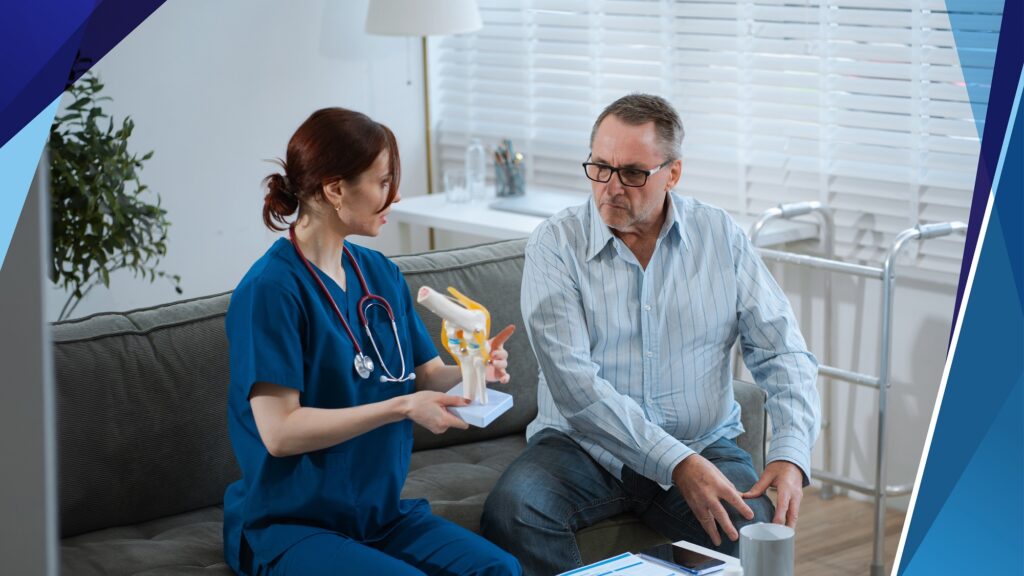
What if the way you sit every day is quietly stressing your knees? Small habits often go unnoticed until pain starts reminding you. If you experience pain in the knee while sitting Indian style, you aren’t alone. Deep knee flexion puts significant tension on the ligaments and can aggravate an existing meniscus injury. Knee pain in folded legs often stems from intense joint compression, which pinches the internal structures.
Other cross legged sitting knee pain causes include chronic cartilage wear, making knee discomfort floor sitting a sharp reminder of underlying inflammation. Constant knee pain sitting cross legged suggests your joints need a break from these extreme angles.
Knee Pain After Sitting for a While
During prolonged sitting knee pain builds silently as synovial fluid stops circulating, reduced blood circulation sets in, and muscle tightness pulls unevenly across the joint. Joint stiffness makes knee pain standing up after sitting feel sharp and sudden, while osteoarthritis worsens knee stiffness after sitting over time.
Knee pain after desk work and knee pain after sitting for a long time are warnings not inconveniences.
Pain in Knee Joint While Sitting
Persistent knee joint pain while sitting often points to issues within the knee joint capsule. When seated for long periods, inner knee pain sitting may indicate cartilage damage or a hidden meniscus tear being compressed by the angle of the leg.
Common knee joint discomfort seated often intensifies during knee pain bending sitting, as the joint is forced into a static, high-pressure position. If you feel a dull pain inside the knee while sitting, it is likely your body signaling that the joint structures are being overstressed.
How to relieve knee pain after sitting for long
Finding knee pain relief after long sitting doesn’t require drastic measures just the right moves:
- Stretching exercises: Gentle quad and hamstring stretches restore flexibility and ease stiffness instantly
- Posture correction: Sit with knees at 90° to eliminate uneven joint pressure
- Ice therapy: Apply ice for 15 minutes to reduce inflammation after prolonged sitting
- Physiotherapy: A targeted rehabilitation plan addresses root causes, not just symptoms
- Pain management: Anti-inflammatory medication provides short-term relief when discomfort peaks
These tips to reduce knee pain sitting work best combined consistently. Knee pain home remedies and professional knee pain sitting treatment together deliver the most lasting results.

Best stretches for knee pain while sitting cross legged
Knee pain while sitting cross-legged is a common issue that can often be alleviated with the right exercises for knee pain sitting designed to gently open up the hips and strengthen the supporting muscles around the knee joint.
- Quadriceps stretch: Relieves front knee tension built from prolonged sitting
- Hamstring stretch: Reduces pulling pressure on the knee joint from behind
- Calf stretch: Improves circulation and eases overall knee stiffness
- Physiotherapy exercises: the goal of physiotherapy is to decompress the knee joint capsule and strengthen the surrounding stabilizers.
- Knee flexibility exercises: Daily practice prevents stiffness from returning
These knee stretches for sitting cross legged pain and stretches for knee stiffness work progressively. Consistent knee pain relief exercises rebuild strength, restore mobility, and protect your knees long-term.
FAQ
What is the best treatment for knee pain?
Knee pain treatment includes physical therapy, pain relief medication, and orthopaedic treatment. An orthopaedic doctor manages knee pain relief through targeted knee pain management for the knee joint.
How to get rid of knee pain when sitting?
Knee pain while sitting, especially sitting cross‑legged, often results from poor sitting posture affecting cartilage and ligaments. Adjusting posture and strengthening the knee joint helps reduce discomfort.
What is the best home remedy for knee pain?
Home remedies for knee pain include natural knee pain relief methods such as ice packs, warm compresses, and knee pain exercises, supporting muscles and improving knee joint comfort.
Is knee pain when sitting serious?
Knee pain while sitting may involve cartilage damage, ligament strain, or arthritis. Persistent knee discomfort sitting indicates knee joint pain requiring medical evaluation for serious conditions.
What are the first signs of arthritis in the knee?
Early knee arthritis symptoms include osteoarthritis knee signs such as joint stiffness, swelling, and cartilage wear, affecting the knee joint and limiting mobility in daily activities.
What are the signs of a serious knee problem?
Serious knee injury symptoms include knee pain warning signs like ligament tears, meniscus damage, or severe instability. These knee damage signs may indicate an orthopaedic emergency requiring immediate care.